
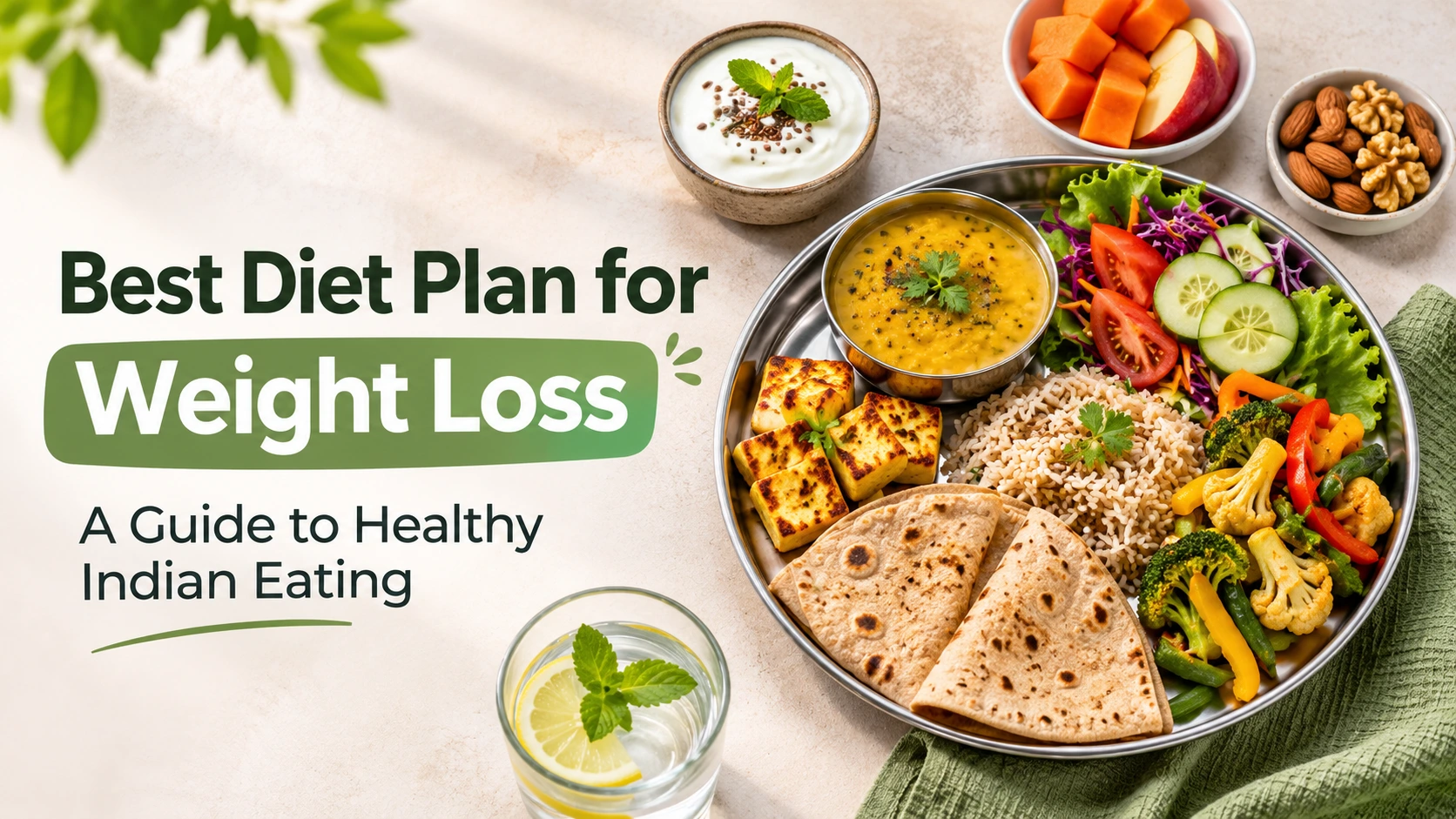
Losing weight is a common health goal, but achieving sustainable results requires more than skipping meals or following restrictive diets. A healthy approach to weight management involves eating nutritious foods, controlling portion sizes, maintaining regular physical activity and developing habits that can be followed over the long term.
Finding the best diet plan for weight loss can be challenging because numerous diets promise quick results. From intermittent fasting and low-carbohydrate diets to high-protein meal plans, the available choices can create confusion about what actually works.
The truth is that there is no single diet suitable for everyone. An effective weight loss diet should provide essential nutrients, support metabolism, help manage hunger and create a manageable calorie deficit.
For individuals following Indian food habits, a balanced diet can include everyday foods such as dal, roti, rice, vegetables, curd, fruits, paneer and other protein-rich options. Understanding how to combine these foods can make weight management practical and sustainable.
What Is the Best Diet Plan for Weight Loss?
The best diet plan for weight loss is one that helps reduce excess body fat while maintaining adequate nutrition and muscle mass. It should include a balanced combination of protein, healthy fats, complex carbohydrates, vitamins, minerals and dietary fibre.
Weight loss generally occurs when the body uses more energy than it receives through food and beverages. This is known as a calorie deficit.
However, reducing calories does not mean starving yourself. Consuming too little food can result in nutritional deficiencies, fatigue and muscle loss.
An effective weight loss diet should focus on:
- Eating balanced meals with appropriate portion sizes.
- Including protein in everyday meals.
- Choosing whole grains instead of highly refined carbohydrates.
- Eating vegetables and fruits regularly.
- Limiting sugary drinks and highly processed foods.
- Drinking sufficient water.
- Maintaining consistent eating habits.
According to the Indian Council of Medical Research (ICMR), a balanced diet should include different food groups to provide the nutrients required for good health.
Best Indian Diet Plan for Weight Loss
Indian cuisine offers several nutritious food choices that can support healthy weight management. A balanced Indian diet does not require eliminating traditional foods such as rice, roti or dal.
Instead, the focus should be on choosing appropriate portions, preparing meals with less excess oil and including sufficient protein and fibre.
The following is an illustrative one-day Indian diet plan for weight loss.
Sample Indian Weight Loss Diet Chart
| Meal Timing | Recommended Foods |
| Early Morning | Water and a small portion of nuts, if desired |
| Breakfast | Vegetable poha with curd OR two moong dal chillas |
| Mid-Morning | One whole fruit such as an apple, guava or orange |
| Lunch | Two medium whole-wheat rotis, one bowl dal, vegetable sabzi and salad |
| Evening Snack | Roasted chana, sprouts or unsweetened buttermilk |
| Dinner | Grilled paneer, tofu or chicken with vegetables and one or two rotis |
| Bedtime (Optional) | Unsweetened milk, if needed and suitable |
This meal plan is a general example, not an individual calorie prescription. Food quantities should be adjusted according to age, body weight, height, activity level, medical conditions and nutritional requirements.
Foods to Include in the Best Diet Plan for Weight Loss
Choosing nutrient-rich foods can help manage hunger, support muscle health and maintain energy levels throughout the day.
1. Protein-Rich Foods
Protein plays an important role in preserving muscle mass during weight loss. It also helps promote fullness, which may reduce unnecessary snacking.
Include the following foods:
- Eggs.
- Paneer.
- Tofu and soy products.
- Dal and lentils.
- Chickpeas and kidney beans.
- Milk and plain curd.
- Fish and lean chicken.
Vegetarian individuals can combine different plant-based protein sources to improve the overall quality of their diet.
2. Fibre-Rich Foods
Dietary fibre supports digestive health and helps improve feelings of fullness after meals.
Good sources include:
- Green leafy vegetables.
- Carrots, cucumber and broccoli.
- Apples, guava and pears.
- Oats and whole grains.
- Beans and lentils.
- Chia seeds and flaxseeds.
Including vegetables and fibre-rich foods in daily meals can make portion control easier.
3. Whole Grains and Complex Carbohydrates
Carbohydrates are an important source of energy and do not need to be completely eliminated for weight loss.
Choose nutritious carbohydrate sources such as:
- Whole-wheat roti.
- Brown rice.
- Oats.
- Ragi.
- Jowar.
- Bajra.
- Quinoa.
Whole grains generally provide more fibre and nutrients than highly refined grain products.
4. Healthy Fats
Healthy fats support hormone production, nutrient absorption and normal body functions. However, they are energy-dense, so portion control remains important.
Include moderate amounts of:
- Almonds and walnuts.
- Flaxseeds and chia seeds.
- Peanuts.
- Sesame seeds.
- Mustard oil and groundnut oil.
Avoid excessive consumption of deep-fried foods and foods containing high amounts of saturated and trans fats.
5. Fruits and Vegetables
Fruits and vegetables provide vitamins, minerals, antioxidants and dietary fibre.
Some suitable choices include:
- Papaya.
- Guava.
- Apple.
- Orange.
- Watermelon.
- Spinach.
- Cucumber.
- Bottle gourd.
- Beans.
- Cauliflower.
Prefer whole fruits over fruit juices because whole fruits retain their dietary fibre and can provide better satiety.
Foods to Avoid or Limit During Weight Loss
Certain foods can increase daily calorie intake without providing sufficient nutritional value. Limiting their consumption can make weight management easier.
| Food Category | Examples | Healthier Alternative |
| Sugary Beverages | Soft drinks, packaged juices | Water, unsweetened lemon water |
| Deep-Fried Foods | Samosas, pakoras, chips | Roasted snacks |
| Refined Carbohydrates | White bread, refined bakery products | Whole-wheat bread |
| Sugary Snacks | Cakes, biscuits, pastries | Whole fruits and nuts |
| Processed Foods | Packaged snacks, instant foods | Homemade meals |
| High-Sugar Desserts | Sweets, ice cream | Fresh fruit or plain curd |
These foods do not necessarily need to be completely prohibited, but frequent consumption and large portions can make maintaining a calorie deficit difficult.
How to Create a Balanced Weight Loss Diet Plate
A simple way to manage portions is to divide your plate into different food groups.
For a general balanced meal:
- Half the plate: Vegetables and salad.
- One-quarter of the plate: Protein sources such as dal, paneer, tofu, eggs, fish or chicken.
- One-quarter of the plate: Whole grains such as roti, brown rice or millet.
- Additional portion: A small serving of plain curd or other suitable dairy.
This approach encourages variety and helps prevent excessive dependence on any single food group.
The exact proportions may need adjustment according to individual nutritional requirements and medical conditions.
Important Tips to Make Your Weight Loss Diet Effective
Following a diet consistently is often more important than choosing a complicated eating pattern.
Consider these practical recommendations:
1. Maintain Regular Meal Timings
Develop a consistent eating routine that fits your daily schedule. Avoid skipping meals if it leads to excessive hunger or overeating later.
2. Control Portion Sizes
Even nutritious foods can contribute to excess calorie intake when consumed in large quantities. Use smaller serving bowls when helpful and pay attention to hunger and fullness.
3. Drink Enough Water
Adequate hydration supports digestion and normal body functions. Water is generally a better everyday beverage choice than sugary drinks.
4. Eat Mindfully
Eat slowly, minimise distractions during meals and recognise when you feel comfortably full.
5. Combine Diet with Physical Activity
A healthy eating plan works well alongside regular physical activity. Walking, cycling, swimming and strength exercises can support overall fitness and weight management.
6. Prioritise Sleep
Insufficient sleep can affect appetite regulation, food choices and energy levels. Maintain a consistent sleep schedule and aim for adequate rest.
7. Monitor Your Progress
Track your weight and other relevant health measurements periodically. Remember that progress may vary because of changes in fluid levels, muscle mass and other individual factors.
How Much Weight Can You Lose With a Healthy Diet?
Weight loss depends on several factors, including starting body weight, age, metabolism, activity level, dietary habits and underlying health conditions.
Gradual weight reduction is generally more sustainable than attempting to lose a large amount of weight within a short period.
The ICMR’s Dietary Guidelines for Indians recommend gradual weight reduction and caution against extreme calorie restriction. A reduction of approximately 0.5 kg per week is considered a reasonable general target, although individual results may differ.
Rather than focusing only on the number on the weighing scale, pay attention to improvements in:
- Waist circumference.
- Physical stamina.
- Blood sugar levels.
- Blood pressure.
- Eating habits.
- Overall fitness.
Who Should Consult a Dietitian Before Starting a Weight Loss Diet?
Although general healthy eating principles apply to most people, certain individuals require personalised nutritional guidance.
Consult a qualified doctor or registered dietitian before making significant dietary changes if you have:
- Diabetes or fluctuating blood sugar levels.
- High blood pressure or heart disease.
- Thyroid disorders.
- Kidney or liver conditions.
- Polycystic ovary syndrome (PCOS).
- A history of nutritional deficiencies.
- Pregnancy or breastfeeding-related nutritional requirements.
- A history of eating disorders.
A healthcare professional can assess your nutritional requirements, identify potential risks and recommend a suitable meal plan.
Frequently Asked Questions (FAQs)
- What is the best diet plan for weight loss for Indians?
A balanced Indian diet containing dal, vegetables, whole grains, fruits, curd and protein-rich foods such as paneer, eggs, fish or chicken can support healthy weight management. Portion control and appropriate calorie intake are also important.
- Can I eat rice and roti while following a weight loss diet?
Yes. Rice and roti can both be included in a weight loss diet. The key is to manage portion sizes and combine them with vegetables and protein-rich foods.
- Is skipping dinner good for weight loss?
Skipping dinner is not necessary for weight loss. A balanced dinner with appropriate portions can provide essential nutrients and help maintain a consistent eating routine.
- Which foods help reduce belly fat?
No specific food can selectively burn belly fat. Overall body fat reduction requires a balanced diet, appropriate calorie intake, physical activity and healthy lifestyle habits.
- Is a high-protein diet good for weight loss?
Protein can help support muscle maintenance and promote fullness during weight loss. However, protein requirements should be adjusted according to individual health conditions, particularly in people with kidney disease.
- Can I lose weight without exercising?
Dietary changes can support weight loss even without a structured exercise programme. However, regular physical activity provides additional benefits for cardiovascular health, muscle strength and long-term weight management.
Conclusion
Following the best diet plan for weight loss is about making healthier food choices rather than following extreme diets or avoiding entire food groups. A balanced Indian meal plan with adequate protein, fibre-rich foods, whole grains, fruits and vegetables can support gradual and sustainable weight management.
Consistency, portion control, regular physical activity and adequate sleep are equally important for achieving long-term results.
At Aayush Hospital, individuals concerned about excess body weight and related health conditions should seek appropriate medical and nutritional guidance. A personalised approach can help identify nutritional requirements, address underlying health concerns and support healthier lifestyle choices.
Medical Disclaimer: This article is intended for general educational purposes and does not replace professional medical advice, diagnosis or personalised nutritional counselling. Consult a qualified doctor or registered dietitian before starting a restrictive diet or making significant changes to your eating habits.
Contact Details: