Introduction
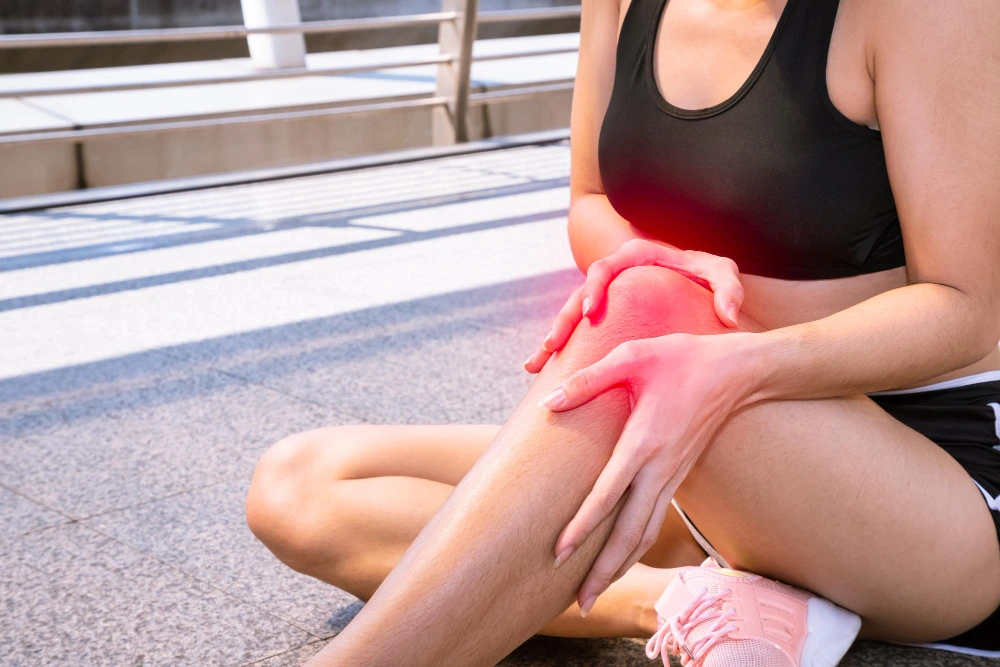
Knee pain is often associated with aging, but in recent years, it has become increasingly common among younger individuals. Understanding knee pain causes in young adults is essential because early diagnosis and treatment can prevent long-term joint damage and mobility issues.
Young adults today face a variety of risk factors such as sedentary lifestyles, sports injuries, poor posture, and obesity. Ignoring knee pain can lead to chronic discomfort and may even require surgical intervention later in life.
This comprehensive guide will explore the major knee pain causes in young adults, along with symptoms, diagnosis, treatment options, and preventive strategies.
Why Knee Pain is Increasing in Young Adults
The rising incidence of knee pain among young adults can be attributed to modern lifestyle habits and increased physical stress.
Key Reasons Include:
- Lack of regular exercise
- Excessive screen time and prolonged sitting
- Sudden intense workouts without conditioning
- Poor posture and ergonomics
- Rising obesity rates
These factors contribute significantly to the growing number of cases related to knee pain causes in young adults.
Common Knee Pain Causes in Young Adults
Understanding the root cause is crucial for effective treatment. Below are the most common knee pain causes in young adults:
1. Ligament Injuries
Ligament injuries are among the leading knee pain causes in young adults, especially in those involved in sports or physical activities.
Types of Ligament Injuries:
- ACL (Anterior Cruciate Ligament) Tear
- PCL (Posterior Cruciate Ligament) Injury
- MCL (Medial Collateral Ligament) Injury
Symptoms:
- Sudden pain during movement
- Swelling within hours
- Instability or “giving way” sensation
- Difficulty walking
2. Meniscus Tear
The meniscus is a cartilage that cushions the knee joint. Tears can occur due to sudden twisting movements.
Symptoms:
- Knee locking or catching
- Pain while bending or straightening
- Swelling and stiffness
Meniscus injuries are a significant contributor to knee pain causes in young adults, particularly athletes.
3. Patellofemoral Pain Syndrome (Runner’s Knee)
This condition is very common in young adults who engage in running, cycling, or prolonged sitting.
Symptoms:
- Pain around the kneecap
- Discomfort when climbing stairs
- Pain after sitting for long periods
4. Tendinitis (Jumper’s Knee)
Tendinitis occurs due to inflammation of the tendons, often from overuse.
Common Causes:
- Repetitive jumping activities
- Overtraining without rest
- Poor training techniques
Symptoms:
- Localized pain below the kneecap
- Tenderness
- Increased pain with activity
5. Bursitis
Bursae are small fluid-filled sacs that reduce friction. Inflammation of these sacs leads to bursitis.
Symptoms:
- Swelling
- Warmth around the knee
- Pain during movement or pressure
6. Obesity and Excess Weight
Carrying extra weight puts additional stress on the knee joints.
Impact:
- Increased wear and tear
- Higher risk of early joint degeneration
- Chronic knee pain
Obesity is one of the most overlooked knee pain causes in young adults.
7. Poor Posture and Sedentary Lifestyle
Modern work culture often involves long hours of sitting, which weakens muscles around the knee.
Effects:
- Muscle imbalance
- Reduced joint stability
- Increased strain on knees
8. Early Osteoarthritis
Though more common in older adults, early-onset osteoarthritis can occur in younger individuals due to injury or genetics.
Symptoms:
- Joint stiffness
- Pain during movement
- Reduced flexibility
Quick Comparison Table: Types of Knee Pain Causes in Young Adults
| Cause | Main Trigger | Key Symptoms | Risk Group |
| Ligament Injury | Sports trauma | Instability, swelling | Athletes |
| Meniscus Tear | Twisting motion | Locking, pain | Active individuals |
| Runner’s Knee | Overuse | Pain near kneecap | Runners |
| Tendinitis | Repetitive stress | Localized pain | Athletes |
| Bursitis | Pressure/overuse | Swelling, warmth | Active adults |
| Obesity | Excess weight | Chronic pain | Sedentary individuals |
| Osteoarthritis | Wear & tear | Stiffness | Genetic/injury cases |
Symptoms to Watch Out For
Recognizing symptoms early can help in managing knee pain causes in young adults effectively.
Common Symptoms:
- Persistent knee pain
- Swelling and stiffness
- Difficulty bending or straightening the knee
- Clicking or popping sounds
- Instability while walking
If these symptoms persist, medical evaluation is necessary.
Diagnosis of Knee Pain
Doctors use a combination of clinical evaluation and imaging tests to diagnose the underlying cause.
Diagnostic Methods:
- Physical examination
- X-rays
- MRI scans
- Ultrasound
Accurate diagnosis helps identify the exact knee pain causes in young adults and guides appropriate treatment.
Treatment Options for Knee Pain in Young Adults
Treatment depends on the underlying cause and severity.
1. Non-Surgical Treatment
Medications:
- Pain relievers
- Anti-inflammatory drugs
Physiotherapy:
- Strengthening exercises
- Flexibility training
- Posture correction
Lifestyle Changes:
- Weight management
- Activity modification
- Ergonomic improvements
2. Advanced Treatments
- PRP (Platelet-Rich Plasma) therapy
- Arthroscopic surgery
- Ligament reconstruction
These treatments are recommended for severe cases of knee pain causes in young adults.
Home Remedies for Knee Pain Relief
Simple home remedies can help manage mild symptoms.
Effective Remedies:
- Rest and avoid overuse
- Apply ice packs to reduce swelling
- Elevate the leg
- Use knee support braces
- Gentle stretching exercises
Prevention Tips
Preventing knee pain is easier than treating it.
Healthy Habits:
- Maintain a healthy weight
- Exercise regularly
- Warm up before workouts
- Avoid sudden intense physical activity
Posture Tips:
- Sit with proper back support
- Avoid prolonged sitting
- Take breaks during work
Dietary Support:
- Include calcium-rich foods
- Ensure adequate vitamin D intake
- Stay hydrated
Following these tips can reduce the risk of knee pain causes in young adults significantly.
When Should You See a Doctor?
Consult a specialist if you experience:
- Severe or persistent pain
- Inability to bear weight
- Visible deformity
- Swelling that doesn’t improve
- Locking or instability of the knee
Early intervention can prevent complications and ensure faster recovery.
FAQs: Knee Pain Causes in Young Adults
1. What are the most common knee pain causes in young adults?
The most common causes include ligament injuries, meniscus tears, runner’s knee, and tendinitis.
2. Can knee pain go away on its own?
Mild cases may improve with rest, but persistent pain requires medical attention.
3. Is knee pain in young adults serious?
It can be, especially if caused by ligament injuries or early osteoarthritis.
4. How can I prevent knee pain?
Maintain a healthy weight, exercise regularly, and avoid overuse injuries.
5. When should I consult a doctor for knee pain?
If pain persists, worsens, or affects mobility, consult a specialist immediately.
Conclusion
Knee pain is no longer just a problem of older age. Understanding the various knee pain causes in young adults is essential for maintaining long-term joint health. From ligament injuries and overuse conditions to lifestyle-related factors like obesity and poor posture, multiple causes contribute to knee discomfort.
The good news is that most cases can be managed effectively with early diagnosis, proper treatment, and lifestyle modifications. Ignoring symptoms can lead to chronic pain and reduced mobility.
At Aayush Hospital, our expert team focuses on accurate diagnosis and personalised treatment plans to help young adults recover quickly and stay active. If you are experiencing knee pain, don’t delay; seek professional care for the best outcomes.