
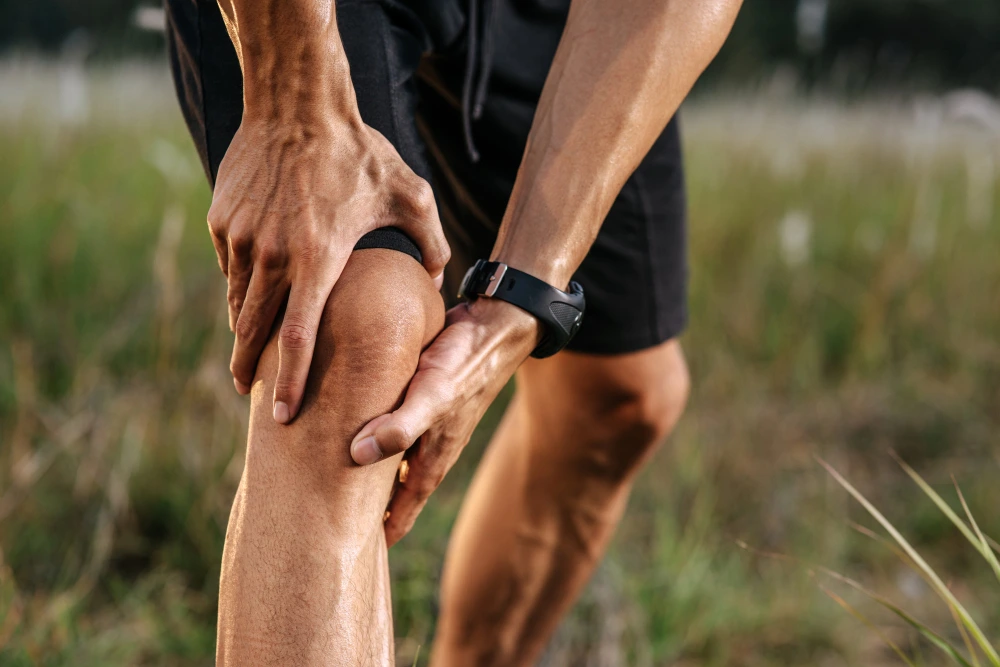
Knee pain is one of the most common health complaints among people of all ages. Whether you are an athlete, working professional, senior citizen, or someone with an active lifestyle, knee discomfort can interrupt daily activities and affect mobility. Understanding what causes knee pain is the first step toward proper treatment and long-term relief.
Knee pain may develop suddenly due to an injury or gradually over time because of wear and tear. In many cases, underlying medical conditions can also trigger pain and inflammation. This comprehensive guide explains the most common causes of knee pain, symptoms to watch for, diagnostic tests, and when you should consider consulting a specialist.
Why Understanding What Causes Knee Pain Is Important
Knowing the root cause of your knee pain helps in:
- Preventing further damage
- Choosing the right treatment early
- Avoiding chronic knee problems
- Improving mobility and quality of life
- Reducing the need for surgery in the future
What Causes Knee Pain?
Knee pain can arise from injuries, mechanical problems, overuse, age-related wear, infections, or underlying health conditions. Below is a detailed breakdown of each.
1. Knee Injuries (Most Common Cause)
Injuries are one of the leading answers to what causes knee pain. They can occur from accidents, sports activities, sudden movements, or falls. Knee injuries may affect bones, ligaments, tendons, or cartilage.
Common Knee Injuries
a) ACL Tear (Anterior Cruciate Ligament Injury)
One of the most common sports-related injuries.
Symptoms:
- Sudden pain
- “Pop” sound
- Swelling
- Instability while walking
b) Meniscus Tear
Occurs when the knee twists suddenly.
Symptoms:
- Locking sensation
- Pain on bending
- Swelling
c) MCL or LCL Injury
Ligaments on the inner (MCL) or outer (LCL) side of the knee.
Symptoms:
- Side knee pain
- Tenderness
- Difficulty walking
d) Patellar Tendonitis
Inflammation in the tendon connecting the kneecap to the shinbone (“Jumper’s Knee”).
Symptoms:
- Pain below kneecap
- Stiffness
- Worsens with activity
e) Fractures
High-impact injuries can fracture the kneecap.
Symptoms:
- Severe pain
- Swelling
- Inability to straighten the knee
2. Overuse Injuries: A Major Reason What Causes Knee Pain
Overuse injuries develop gradually due to repeated stress on the knee joint. They are common in athletes, runners, dancers, and individuals who perform repetitive knee movements.
Examples of Overuse Injuries
- IT Band Syndrome – tight iliotibial band causing outer knee pain
- Patellofemoral Pain Syndrome – pain around the kneecap due to misalignment or weak muscles
- Tendinitis – inflammation in tendons due to overuse
Symptoms
- Dull and persistent pain
- Pain during stair climbing, running, or sitting for long hours
- Stiff knees in the morning
3. Mechanical Problems
Sometimes knee pain is caused by misalignment or abnormal functioning of the joint.
Common Mechanical Causes of Knee Pain
a) Loose Bodies
Fragments of bone or cartilage floating inside the joint.
b) Dislocated Kneecap
Patella moves out of place, usually laterally.
c) Malalignment
Flat feet or hip issues can cause knee pain due to improper weight distribution.
d) Weak Muscles
Weak quadriceps and hamstrings fail to support the knee properly.
4. Arthritis: A Major Answer to What Causes Knee Pain
Arthritis is one of the biggest contributors to chronic knee pain, especially in older adults. Different types of arthritis affect the knee.
Types of Arthritis Causing Knee Pain
| Type of Arthritis | Description | Key Symptoms |
| Osteoarthritis | Wear-and-tear of cartilage, common with age | Stiffness, swelling, pain worsens in evening |
| Rheumatoid Arthritis | Autoimmune disease attacking knee joints | Warmth, swelling, severe stiffness |
| Gout | Uric acid crystal accumulation | Sudden intense pain, redness |
| Pseudogout | Calcium crystal deposits | Swelling, tenderness |
| Septic Arthritis | Infection in the knee joint | Fever, redness, severe pain |
Arthritis often leads to chronic inflammation, reduced cartilage, stiffness, and long-term mobility issues.
5. Obesity and Excess Weight
Excess body weight puts additional stress on the knee joints. For every extra kilogram of weight, the knee experiences nearly four times the pressure during walking.
How Obesity Causes Knee Pain
- Faster wear and tear of cartilage
- Increased risk of osteoarthritis
- Inflammation due to fat-related chemicals
6. Infections (Septic Arthritis or Bone Infection)
Some infections can affect the knee joint or surrounding tissue.
Symptoms of Infected Knee
- Redness
- Swelling
- Fever
- Warm knee joint
- Severe pain
Immediate medical attention is required to prevent joint damage.
7. Medical Conditions Linked to Knee Pain
There are several health conditions strongly associated with knee discomfort.
Common Conditions
- Hypothyroidism – causes muscle stiffness
- Nerve Compression (Sciatica) – radiating pain
- Baker’s Cyst – fluid-filled swelling behind the knee
- Autoimmune disorders
These conditions contribute to inflammation, weakness, or fluid collection, causing further pain.
Symptoms of Knee Pain You Should Never Ignore
Recognizing the symptoms early helps doctors identify exactly what causes knee pain in your case.
Common Symptoms
- Sharp or dull knee pain
- Swelling
- Redness and warmth
- Stiffness
- Clicking or popping sounds
- Locking of the knee
- Difficulty bearing weight
- Instability or “giving way” of the knee
If these symptoms persist, immediate medical evaluation is recommended.
How Doctors Diagnose What Causes Knee Pain
At Aayush Hospital, knee specialists use advanced diagnostic methods to identify the root cause accurately.
1. Physical Examination
- Checking range of motion
- Identifying swelling and tenderness
- Strength and stability testing
2. Imaging Tests
- X-ray – detects fractures and bone misalignment
- MRI – best for ligaments, tendons, meniscus
- Ultrasound – soft tissue evaluation
3. Laboratory Tests
- Blood tests for arthritis
- Fluid analysis for infections or gout
Treatment Options Based on What Causes Knee Pain
Once the cause is identified, the treatment approach is personalized.
1. Medications
- Anti-inflammatory drugs
- Pain relievers
- Antibiotics (if infection is present)
- Medications for gout or autoimmune diseases
2. Physiotherapy
A major part of knee pain management.
Includes:
- Strengthening exercises
- Stretching
- Balance training
- Posture correction
3. Lifestyle Changes
- Weight reduction
- Avoiding high-impact activities
- Using proper footwear
4. Injections
- Corticosteroid injections
- Hyaluronic acid injections
- Platelet-Rich Plasma (PRP) therapy
5. Surgery (Only When Necessary)
When the damage is severe:
- Arthroscopic surgery
- ACL reconstruction
- Meniscus repair
- Partial or total knee replacement
Home Remedies for Mild Knee Pain
For manageable pain, simple home care may provide relief.
RICE Method
- Rest
- Ice for 10–15 minutes
- Compression bandage
- Elevation
Other Tips
- Warm compress after 72 hours
- Low-impact exercises like cycling or swimming
- Maintaining a healthy diet
When Should You See a Knee Specialist?
Seek medical help if you experience:
- Persistent knee pain for more than a week
- Difficulty walking or bending the knee
- Severe swelling
- Inability to bear weight
- Fever along with joint pain
- Knee deformity
Early diagnosis improves treatment outcomes significantly.
Preventing Knee Pain: Practical Tips
- Maintain a healthy weight
- Strengthen leg muscles
- Avoid sudden high-intensity workouts
- Use proper sports techniques
- Wear supportive footwear
- Take breaks during long sitting or standing hours
Conclusion
Understanding what causes knee pain helps you take the right steps toward timely treatment and prevention. From injuries and overuse to arthritis and medical conditions, knee pain can have many origins. If knee pain is affecting your daily life, early diagnosis and personalized care are essential.
At Aayush Hospital, our expert orthopedic doctors provide advanced, patient-focused treatment to help you regain mobility and live pain-free.