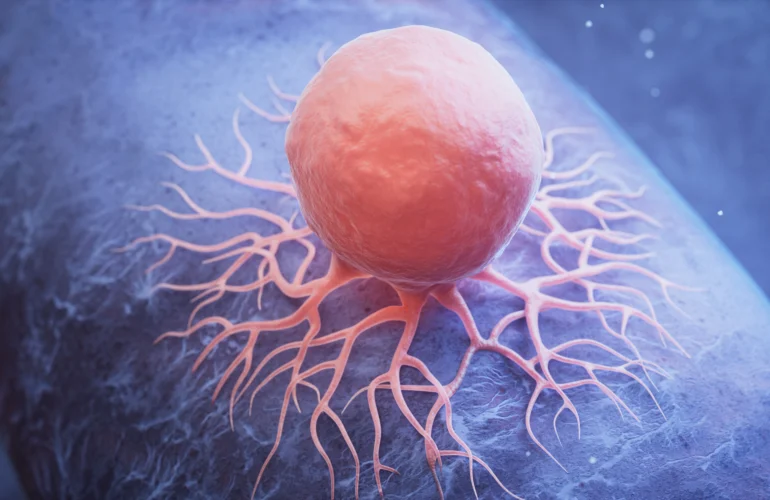
Blood cancer is a group of cancers that affect the blood, bone marrow, and lymphatic system. Unlike solid tumors that form in organs such as the lungs or breast, blood cancers interfere with the production and function of healthy blood cells. These conditions can weaken the immune system, reduce the body’s ability to carry oxygen, and affect blood clotting.
If you’ve ever wondered, what are the 4 types of blood cancer, understanding each type can help you recognize symptoms early and seek timely medical care. Advances in diagnostic techniques and treatment options have significantly improved outcomes, making early detection more important than ever.
In this guide, we’ll explain what are the 4 types of blood cancer, their causes, symptoms, diagnosis, treatment options, and preventive measures.
What Is Blood Cancer?
Blood cancer occurs when abnormal blood cells grow uncontrollably, preventing healthy blood cells from performing their normal functions. Most blood cancers begin in the bone marrow, where blood cells are produced.
Healthy blood contains:
- Red blood cells (carry oxygen)
- White blood cells (fight infections)
- Platelets (help blood clot)
When cancer develops, abnormal cells multiply rapidly, crowding out healthy blood cells and affecting the body’s normal functioning.
What Are the 4 Types of Blood Cancer?
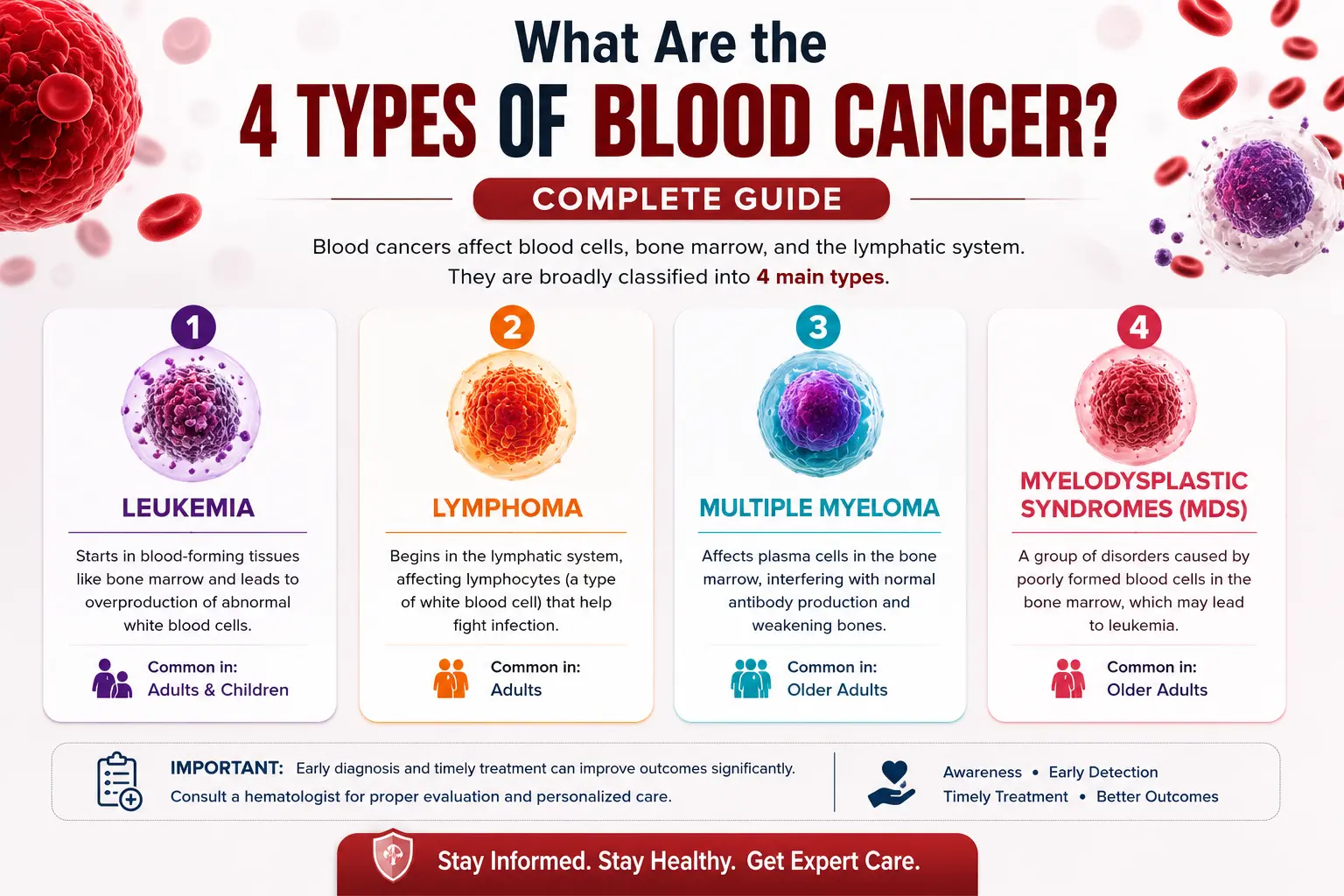
The four primary types of blood cancer include:
| Type of Blood Cancer | Affected Area | Main Function Affected |
| Leukemia | Blood and bone marrow | White blood cell production |
| Lymphoma | Lymphatic system | Immune function |
| Multiple Myeloma | Plasma cells in bone marrow | Antibody production |
| Myelodysplastic Syndromes (MDS) | Bone marrow | Production of healthy blood cells |
Let’s understand each of these in detail.
1. Leukemia
Leukemia is one of the most common blood cancers and begins in the bone marrow, where abnormal white blood cells are produced in large numbers. These abnormal cells interfere with the production of healthy blood cells and reduce the body’s ability to fight infections.
Types of Leukemia
Leukemia is broadly classified into four major forms:
- Acute Lymphoblastic Leukemia (ALL)
- Acute Myeloid Leukemia (AML)
- Chronic Lymphocytic Leukemia (CLL)
- Chronic Myeloid Leukemia (CML)
Acute leukemia develops rapidly and requires prompt treatment, whereas chronic leukemia progresses more slowly and may remain stable for years before treatment is needed.
Symptoms of Leukemia
- Persistent fatigue
- Fever
- Frequent infections
- Easy bruising
- Bleeding gums
- Nosebleeds
- Bone pain
- Joint pain
- Swollen lymph nodes
- Unexplained weight loss
- Pale skin
Risk Factors
- Previous chemotherapy or radiation
- Genetic disorders
- Smoking
- Exposure to certain chemicals
- Family history
2. Lymphoma
Lymphoma is a cancer of the lymphatic system, an important part of the body’s immune defense. It affects lymphocytes, a type of white blood cell responsible for fighting infections.
There are two main categories:
Hodgkin Lymphoma
This type is characterized by the presence of Reed-Sternberg cells and generally has a high cure rate when diagnosed early.
Non-Hodgkin Lymphoma
This is more common and includes many different subtypes that vary in severity and growth rate.
Symptoms of Lymphoma
- Swollen lymph nodes
- Night sweats
- Fever
- Fatigue
- Persistent itching
- Weight loss
- Chest pain
- Shortness of breath
Risk Factors
- Weak immune system
- Viral infections
- Increasing age
- Family history
- Autoimmune diseases
3. Multiple Myeloma
Multiple myeloma develops in plasma cells, which produce antibodies to help fight infections. Cancerous plasma cells accumulate in the bone marrow, reducing the production of healthy blood cells and damaging bones.
Symptoms
- Bone pain
- Frequent fractures
- Fatigue
- Recurrent infections
- Kidney problems
- Excessive thirst
- Numbness
- Weakness
Complications
Multiple myeloma can cause:
- Bone destruction
- Kidney failure
- Low immunity
- Anemia
- High calcium levels
Risk Factors
- Older age
- Male gender
- Family history
- Obesity
- Exposure to radiation
4. Myelodysplastic Syndromes (MDS)
Myelodysplastic Syndromes (MDS) are a group of disorders in which the bone marrow fails to produce enough healthy blood cells. While not every case progresses to leukemia, some forms may develop into Acute Myeloid Leukemia (AML).
Symptoms
- Persistent fatigue
- Weakness
- Frequent infections
- Easy bruising
- Nosebleeds
- Pale skin
- Shortness of breath
Risk Factors
- Older age
- Previous chemotherapy
- Radiation therapy
- Chemical exposure
- Smoking
Comparison of the 4 Types of Blood Cancer
| Blood Cancer | Starts In | Common Age Group | Progression |
| Leukemia | Bone marrow | Children and adults | Acute or chronic |
| Lymphoma | Lymph nodes | All age groups | Slow or aggressive |
| Multiple Myeloma | Plasma cells | Older adults | Usually gradual |
| MDS | Bone marrow | Older adults | May progress to leukemia |
Common Symptoms of Blood Cancer
Although each type differs, many patients experience similar symptoms.
Watch for:
- Persistent fatigue
- Fever without infection
- Night sweats
- Frequent infections
- Easy bruising
- Excessive bleeding
- Pale skin
- Bone pain
- Swollen lymph nodes
- Unexplained weight loss
- Shortness of breath
- Weakness
If these symptoms persist for several weeks, consult a healthcare professional promptly.
What Causes Blood Cancer?
The exact cause remains unknown in many cases. However, several factors increase the risk.
Genetic Factors
Certain inherited disorders increase susceptibility.
Environmental Exposure
- Benzene
- Radiation
- Industrial chemicals
Lifestyle Factors
- Smoking
- Obesity
Medical History
- Previous chemotherapy
- Organ transplantation
- Immunosuppressive medications
Viral Infections
Certain viruses are associated with specific blood cancers.
How Is Blood Cancer Diagnosed?
Early diagnosis improves treatment outcomes.
Doctors may recommend:
| Diagnostic Test | Purpose |
| Complete Blood Count (CBC) | Detect abnormal blood cells |
| Peripheral Blood Smear | Examine blood cell appearance |
| Bone Marrow Biopsy | Confirm bone marrow involvement |
| Flow Cytometry | Identify abnormal cell types |
| Immunophenotyping | Classify blood cancer |
| Cytogenetic Testing | Detect chromosome abnormalities |
| CT Scan | Assess lymph node involvement |
| PET Scan | Detect cancer spread |
| MRI | Evaluate bone or spinal involvement |
Additional molecular and genetic testing may help guide targeted treatment.
Stages of Blood Cancer
Unlike many solid tumors, not all blood cancers are staged in the same way.
- Leukemia is classified by subtype and disease burden.
- Lymphoma is commonly staged from I to IV based on the extent of spread.
- Multiple myeloma is staged using systems that assess blood markers and organ involvement.
- MDS is categorized based on risk scores that predict disease progression.
The stage or classification helps doctors determine the most appropriate treatment plan.
Treatment Options for Blood Cancer
Treatment depends on:
- Type of blood cancer
- Stage of disease
- Age
- Overall health
- Genetic findings
Chemotherapy
Uses medications to destroy rapidly growing cancer cells.
Targeted Therapy
Targets specific proteins or genetic mutations found in cancer cells while minimizing damage to healthy tissue.
Immunotherapy
Boosts the body’s immune system to recognize and attack cancer cells.
Radiation Therapy
May be used for localized lymphoma or before stem cell transplantation.
Stem Cell (Bone Marrow) Transplant
Healthy stem cells replace diseased bone marrow after high-dose treatment.
Supportive Care
Supportive treatments improve quality of life and help manage complications.
These may include:
- Blood transfusions
- Platelet transfusions
- Antibiotics
- Growth factor injections
- Pain management
- Nutritional support
Can Blood Cancer Be Prevented?
There is no guaranteed way to prevent blood cancer, but certain measures may reduce risk.
Healthy Lifestyle Tips
- Avoid smoking
- Maintain a healthy weight
- Eat a balanced diet
- Exercise regularly
- Limit exposure to harmful chemicals
- Follow workplace safety guidelines
- Attend regular health check-ups
While prevention is not always possible, early diagnosis can make treatment more effective.
When Should You See a Doctor?
Seek medical attention if you notice:
- Persistent fever
- Unexplained fatigue
- Frequent infections
- Swollen lymph nodes
- Easy bruising
- Continuous bleeding
- Bone pain
- Night sweats
- Unintentional weight loss
Early evaluation allows for timely diagnosis and appropriate treatment.
Living with Blood Cancer
A blood cancer diagnosis can be physically and emotionally challenging, but many patients lead fulfilling lives during and after treatment. Advances in targeted therapies, immunotherapy, and stem cell transplantation have improved survival rates and quality of life for many individuals.
Managing blood cancer often involves regular follow-up appointments, monitoring blood counts, maintaining good nutrition, staying physically active as advised, and seeking emotional support from family, support groups, or mental health professionals.
Frequently Asked Questions (FAQs)
What are the 4 types of blood cancer?
The four main types of blood cancer are Leukemia, Lymphoma, Multiple Myeloma, and Myelodysplastic Syndromes (MDS). Each affects different blood-forming cells or parts of the immune system.
Which blood cancer is the most common?
Leukemia is one of the most common blood cancers overall. Among adults, Non-Hodgkin lymphoma is also frequently diagnosed, while Acute Lymphoblastic Leukemia (ALL) is more common in children.
Is blood cancer curable?
Some blood cancers can be cured, especially when diagnosed early and treated appropriately. Others may be managed as chronic conditions with ongoing treatment.
What is the first symptom of blood cancer?
Early symptoms often include fatigue, frequent infections, unexplained bruising, fever, swollen lymph nodes, or weight loss. Symptoms vary depending on the type of blood cancer.
Can blood cancer be detected through a blood test?
A Complete Blood Count (CBC) may reveal abnormal blood cell counts that suggest blood cancer. However, additional tests such as a bone marrow biopsy and specialized laboratory studies are usually needed to confirm the diagnosis.
Who is at higher risk of developing blood cancer?
Risk may be higher in older adults, people with a family history of blood cancer, individuals exposed to certain chemicals or radiation, smokers, and those with specific genetic or immune system disorders.
Conclusion
Understanding what are the 4 types of blood cancer can help individuals recognize warning signs, seek medical advice promptly, and make informed decisions about their health. Leukemia, lymphoma, multiple myeloma, and myelodysplastic syndromes each affect the blood and bone marrow in different ways, but all benefit from early diagnosis and personalized treatment. If you or a loved one experiences persistent symptoms such as unexplained fatigue, frequent infections, swollen lymph nodes, or unusual bleeding, consult a healthcare professional without delay. At Aayush Hospital, our multidisciplinary team is committed to providing comprehensive evaluation, advanced diagnostic services, and individualized treatment to support patients through every stage of their care.
Contact Details: