Oncology

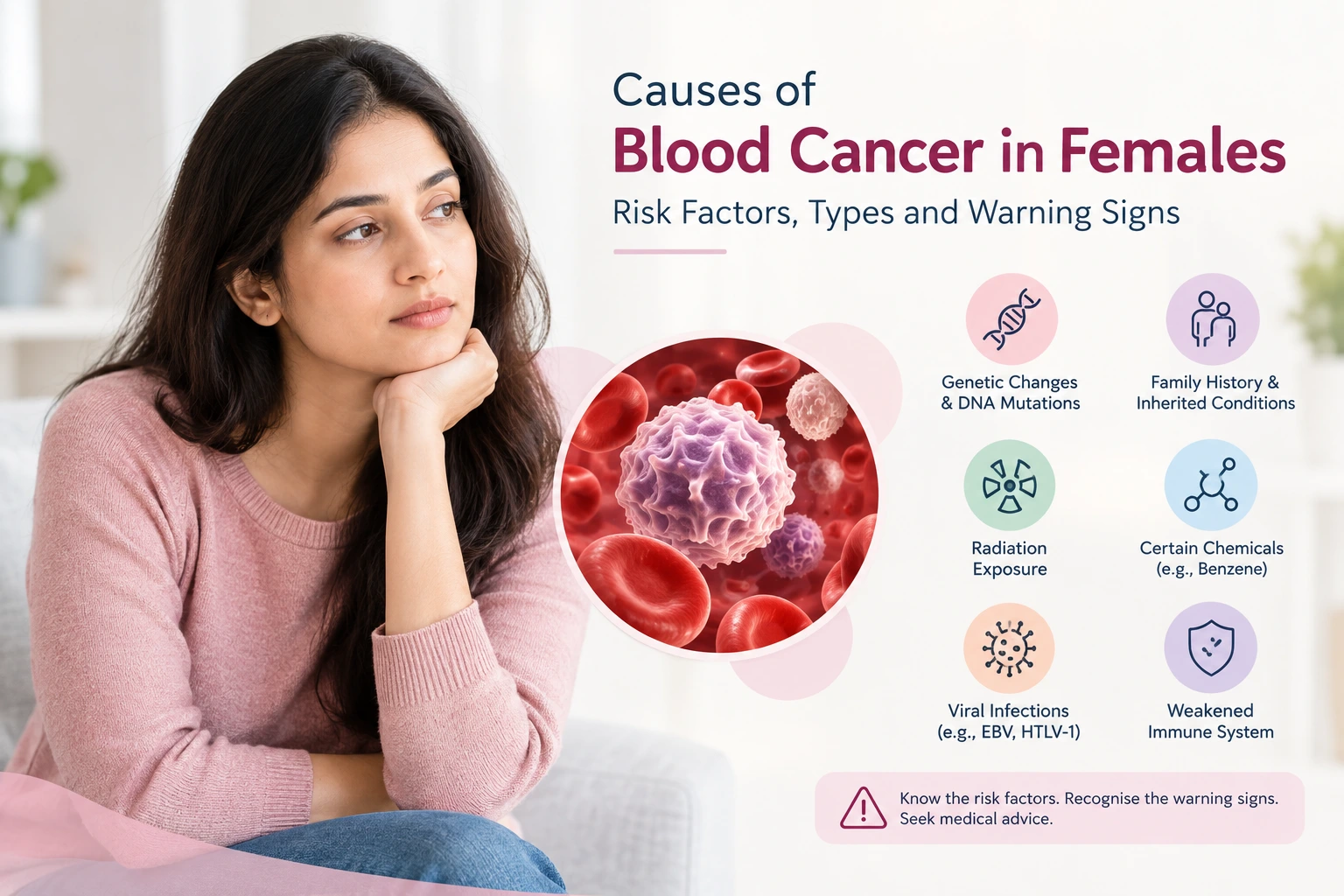
Causes of Blood Cancer in Females: Risk Factors, Types and Warning Signs

Blood cancer is a group of cancers that affect the blood cells, bone marrow or lymphatic system. Although blood cancer can affect people of any age and sex, many people want to understand the causes of blood cancer in females, particularly when there is a family history or certain risk factors.

Blood cancer does not usually develop because of one single cause. Instead, it can occur when genetic changes affect the normal growth, division or survival of blood-forming cells. These abnormal cells may multiply uncontrollably and interfere with the production and function of healthy blood cells.

The three major types of blood cancer are leukaemia, lymphoma and multiple myeloma. Each develops differently and has its own set of risk factors.

It is also important to understand that having a risk factor does not mean that a woman will definitely develop blood cancer. In many cases, the exact reason why a person develops blood cancer cannot be identified.

What Is Blood Cancer?

Blood cancer refers to cancers that begin in blood-forming tissues, such as the bone marrow, or in cells of the immune and lymphatic systems.

The major types include:

  • Leukaemia: A cancer involving blood-forming tissues that leads to the production of abnormal blood cells.
  • Lymphoma: A cancer that develops in lymphocytes, a type of white blood cell, and commonly affects the lymphatic system.
  • Multiple myeloma: A cancer of plasma cells, which are immune cells that normally produce antibodies.

These cancers can affect women as well as men. However, certain risk factors and circumstances may be particularly relevant when discussing blood cancer in females.

What Causes Blood Cancer in Females?

There is no single cause of blood cancer in females. In most cases, the disease develops because of changes or mutations in the DNA of blood-forming or immune cells.

Normally, cells follow controlled processes that regulate their growth, division and death. Genetic changes can interfere with these processes. As abnormal cells continue to grow, they may eventually crowd out healthy cells or interfere with normal blood-cell production.

The exact genetic changes can occur for different reasons, and sometimes there is no identifiable cause.

Some factors have been associated with an increased risk of particular types of blood cancer.

1. Genetic Changes and DNA Mutations

Genetic changes are central to the development of cancer. In blood cancer, changes in the DNA of blood-forming cells can affect genes that regulate cell growth and division.

These changes may cause abnormal cells to multiply excessively or survive longer than normal cells.

Importantly, not every genetic change associated with blood cancer is inherited from a parent. Many changes occur during a person’s lifetime and are acquired rather than inherited.

2. Family History and Certain Inherited Conditions

A family history of certain blood cancers may increase a person’s risk, although most people with a family history do not necessarily develop blood cancer.

Some inherited genetic conditions are also associated with an increased risk of particular leukaemias or other cancers.

A woman with a strong family history of blood cancer or a known inherited genetic condition may benefit from discussing her individual risk with a qualified doctor.

3. Previous Cancer Treatment

Certain cancer treatments can increase the risk of developing a different blood cancer later in life.

In particular, some types of chemotherapy and radiation therapy have been associated with treatment-related leukaemia or other blood disorders.

However, the potential risk needs to be considered alongside the benefits of treating the original cancer. Most people who receive cancer treatment do not develop a secondary blood cancer.

4. Exposure to High Levels of Radiation

High-dose exposure to ionising radiation has been associated with an increased risk of certain types of leukaemia.

This is different from routine medical imaging. X-rays and other diagnostic imaging procedures use controlled doses of radiation, and the potential risks are generally considered when determining whether an examination is medically necessary.

People should not avoid medically necessary diagnostic tests because of concerns about radiation without discussing those concerns with their doctor.

5. Exposure to Certain Chemicals

Long-term exposure to certain chemicals may increase the risk of some blood cancers.

Benzene is one example. It is an industrial chemical that has been associated with an increased risk of acute myeloid leukaemia (AML).

Potential occupational exposure may occur in certain industrial environments, including some manufacturing and chemical-related workplaces.

Appropriate workplace safety measures and protective equipment can help reduce exposure to hazardous chemicals.

6. Certain Genetic and Chromosomal Conditions

Some genetic or chromosomal conditions are associated with a higher risk of particular blood cancers.

For example, Down syndrome is associated with an increased risk of certain types of leukaemia.

These conditions do not mean that blood cancer will definitely develop. They simply represent an increased statistical risk compared with the general population.

7. Certain Disorders of the Blood or Bone Marrow

Some bone marrow disorders can increase the likelihood of developing certain types of blood cancer.

For example, myelodysplastic syndromes can sometimes progress to acute myeloid leukaemia.

Regular medical follow-up may be recommended for people who have been diagnosed with certain blood or bone marrow disorders.

8. Weakened Immune System

A weakened immune system can increase the risk of certain cancers, including some types of lymphoma.

Immunosuppression may occur because of certain medical conditions, medications or organ transplantation.

Some infections that affect the immune system have also been associated with specific types of lymphoma.

9. Certain Viral Infections

Some viral infections are associated with particular blood cancers.

For example, Epstein-Barr virus (EBV) has been linked to certain types of lymphoma, while human T-cell leukaemia virus type 1 (HTLV-1) can cause adult T-cell leukaemia/lymphoma in a small proportion of infected individuals.

Having an infection associated with a blood cancer does not mean that a person will develop cancer. The majority of people exposed to these viruses do not develop blood cancer.

Can Hormonal Changes Cause Blood Cancer in Females?

Hormonal changes associated with menstruation, pregnancy or menopause are not established as direct causes of blood cancer.

Similarly, there is no evidence that normal menstrual cycles themselves cause leukaemia, lymphoma or multiple myeloma.

Women may experience changes in blood counts during pregnancy, menstruation or other stages of life, but these changes are different from the abnormal blood-cell production associated with blood cancer.

If a woman develops persistent abnormalities in blood counts, a doctor can investigate the underlying cause.

Does Pregnancy Cause Blood Cancer?

Pregnancy itself is not considered a direct cause of blood cancer.

However, blood cancers can occasionally be diagnosed during pregnancy. Symptoms such as fatigue, weakness or changes in blood counts can sometimes overlap with normal pregnancy-related changes, which may make evaluation more challenging.

If blood tests show persistent or unexplained abnormalities during pregnancy, doctors can determine whether further investigation is necessary.

Treatment decisions during pregnancy require careful coordination between the cancer care team and obstetric specialists.

What Are the Symptoms of Blood Cancer in Females?

The symptoms of blood cancer can vary depending on the type of cancer and how advanced it is.

Common symptoms may include:

  • Persistent or unexplained fatigue
  • Frequent or recurring infections
  • Unexplained fever
  • Unexplained weight loss
  • Excessive sweating, particularly at night
  • Easy bruising
  • Frequent or unusual bleeding
  • Pale skin
  • Shortness of breath
  • Swollen lymph nodes
  • Persistent bone or joint pain
  • Abdominal discomfort or fullness
  • Weakness
  • Loss of appetite

These symptoms are not specific to blood cancer. Many common health conditions can cause similar symptoms.

For example, fatigue and pale skin can occur with iron-deficiency anaemia, while fever can result from infections. The presence of these symptoms does not mean that a person has blood cancer.

However, symptoms that persist, worsen or occur in combination should be evaluated by a healthcare professional.

When Should a Woman See a Doctor?

It is advisable to consult a doctor if symptoms are persistent, unexplained or significantly different from your usual health.

Particular attention should be given to:

  • Recurrent unexplained infections
  • Persistent fever
  • Unexplained weight loss
  • Frequent unexplained bruising
  • Bleeding that is unusual or difficult to explain
  • Persistent swollen lymph nodes
  • Severe or ongoing fatigue
  • Persistent bone pain
  • Abnormal blood-test results

A doctor can determine whether these symptoms are related to a blood disorder, infection, nutritional deficiency or another medical condition.

How Is Blood Cancer Diagnosed?

If blood cancer is suspected, the doctor may begin with a medical history and physical examination.

A complete blood count (CBC) is commonly used to assess the levels of different blood cells. Depending on the results and symptoms, additional investigations may be recommended.

These may include:

Test Purpose
Complete blood count (CBC) Measures red blood cells, white blood cells and platelets
Peripheral blood smear Examines blood cells under a microscope
Bone marrow examination Evaluates blood-forming cells in the bone marrow
Lymph node biopsy Helps diagnose certain types of lymphoma
Imaging tests Evaluate lymph nodes, organs or other areas
Immunophenotyping Helps identify specific types of abnormal blood cells
Genetic and molecular tests Identify certain chromosome or gene changes

Not every patient requires all of these tests. The diagnostic approach depends on the symptoms, blood-test results and suspected type of blood cancer.

Can Blood Cancer in Females Be Prevented?

There is no guaranteed way to prevent most blood cancers because many cases develop due to genetic changes that cannot be predicted or prevented.

However, certain practical steps can reduce exposure to known risk factors.

These include:

  • Following workplace safety precautions when working around chemicals.
  • Avoiding unnecessary exposure to hazardous substances.
  • Not smoking.
  • Maintaining a healthy lifestyle.
  • Discussing unusual or persistent symptoms with a doctor.
  • Following recommended medical monitoring if you have a condition associated with an increased risk of blood cancer.

It is important to remember that blood cancer can occur even in people who have no known risk factors.

Common Myths About the Causes of Blood Cancer in Females

Myth 1: Blood cancer is caused by eating sugar.

There is no evidence that simply eating sugar directly causes blood cancer. Excessive consumption of sugary foods can contribute to other health problems, but cancer development is much more complex.

Myth 2: Menstrual problems cause blood cancer.

Menstrual problems are not considered a direct cause of blood cancer. However, unusually heavy menstrual bleeding can cause iron-deficiency anaemia and should be evaluated when persistent.

Myth 3: Pregnancy causes blood cancer.

Pregnancy itself is not considered a direct cause of blood cancer. Blood cancer can occasionally occur during pregnancy, but this is different from pregnancy causing the disease.

Myth 4: Every woman with fatigue has blood cancer.

Fatigue is extremely common and can result from anaemia, nutritional deficiencies, infections, stress, sleep problems and many other conditions. Persistent or unexplained fatigue should be assessed rather than automatically linked to cancer.

Frequently Asked Questions About Causes of Blood Cancer in Females

What is the main cause of blood cancer in females?

There is no single main cause. Blood cancer generally develops because of genetic changes that cause abnormal blood-forming or immune cells to grow uncontrollably. In many patients, the exact reason for these changes is unknown.

Can blood cancer be hereditary?

Some inherited genetic conditions can increase the risk of certain blood cancers, and a family history may be relevant in some cases. However, most blood cancers are not simply inherited from a parent.

Can stress cause blood cancer?

Stress is not considered a direct cause of blood cancer. Chronic stress can affect general health, but blood cancers develop through complex genetic and cellular changes.

Can anaemia turn into blood cancer?

Most cases of anaemia do not turn into blood cancer. Anaemia has many causes, including iron deficiency, vitamin deficiencies, blood loss and chronic diseases. Some blood cancers can themselves cause anaemia, which is why unexplained or persistent anaemia may require medical evaluation.

What blood tests can detect blood cancer?

A complete blood count and peripheral blood smear can provide important clues, but a blood test alone cannot diagnose every type of blood cancer. Depending on the suspected condition, bone marrow tests, lymph node biopsy, imaging and specialised genetic or molecular tests may be needed.

Conclusion

Understanding the causes of blood cancer in females can help women recognise potential risk factors and understand when medical evaluation may be appropriate. Blood cancer does not have one specific cause. It usually develops through genetic changes that affect the normal growth and function of blood-forming or immune cells.

Factors such as certain genetic conditions, previous cancer treatment, high-dose radiation exposure, exposure to benzene, weakened immunity and specific infections can increase the risk of particular blood cancers. However, many people who develop blood cancer have no identifiable risk factor.

Symptoms such as persistent fatigue, unexplained fever, recurrent infections, unusual bruising or bleeding, swollen lymph nodes and unexplained weight loss can have many causes and do not automatically indicate cancer. Nevertheless, persistent or unexplained symptoms should be evaluated by a healthcare professional.

Early medical evaluation can help identify the cause of abnormal symptoms or blood-test results and determine whether further investigation is needed.

Aayush Hospital provides medical evaluation and treatment for a range of health conditions. If you or a family member has persistent unexplained symptoms or abnormal blood-test results, consult a qualified healthcare professional for appropriate evaluation and personalised medical advice.

Disclaimer: This article is intended for general health education and does not constitute medical advice, diagnosis or treatment. The causes, symptoms and risk factors of blood cancer can vary between individuals. Always consult a qualified healthcare professional for an accurate diagnosis and appropriate treatment.

Contact Details:
Aayush Hospital

Aayush Multispeciality Hospital in Kalyan, Maharashtra

Address: 744Q+H7Q Shopping Complex, Building No. E2, 2nd & 3rd Floor, Radha Nagar, Khadakpada, Kalyan, Maharashtra 421301

Phone: 099670 08900

Website: aayush-hospitals.com


Oncology

What Are the 4 Types of Blood Cancer? Symptoms, Causes, Diagnosis & Treatment

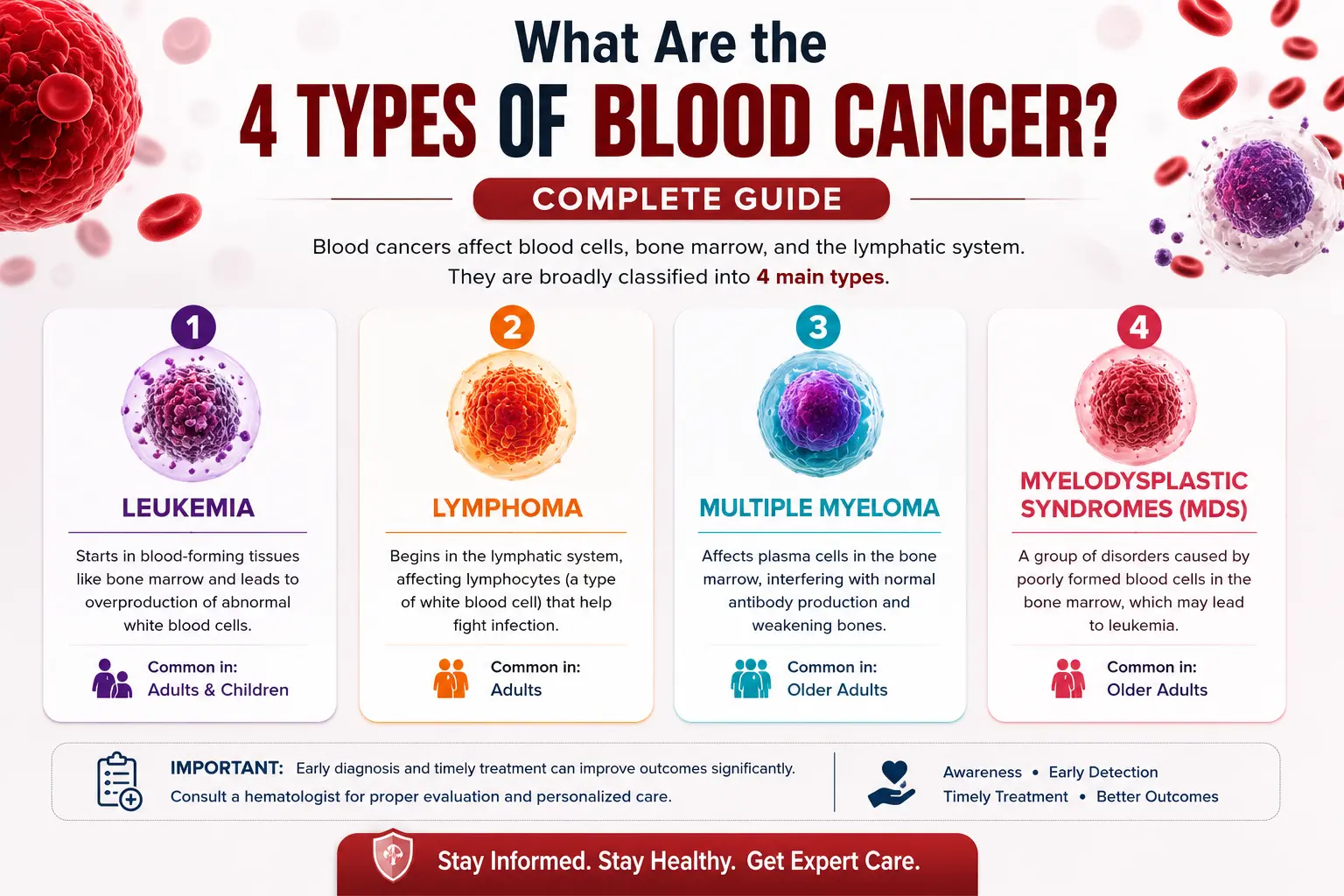
Blood cancer is a group of cancers that affect the blood, bone marrow, and lymphatic system. Unlike solid tumors that form in organs such as the lungs or breast, blood cancers interfere with the production and function of healthy blood cells. These conditions can weaken the immune system, reduce the body’s ability to carry oxygen, and affect blood clotting.

If you’ve ever wondered, what are the 4 types of blood cancer, understanding each type can help you recognize symptoms early and seek timely medical care. Advances in diagnostic techniques and treatment options have significantly improved outcomes, making early detection more important than ever.

In this guide, we’ll explain what are the 4 types of blood cancer, their causes, symptoms, diagnosis, treatment options, and preventive measures.

What Is Blood Cancer?

Blood cancer occurs when abnormal blood cells grow uncontrollably, preventing healthy blood cells from performing their normal functions. Most blood cancers begin in the bone marrow, where blood cells are produced.

Healthy blood contains:

  • Red blood cells (carry oxygen)
  • White blood cells (fight infections)
  • Platelets (help blood clot)

When cancer develops, abnormal cells multiply rapidly, crowding out healthy blood cells and affecting the body’s normal functioning.

What Are the 4 Types of Blood Cancer?

The four primary types of blood cancer include:

Type of Blood Cancer Affected Area Main Function Affected
Leukemia Blood and bone marrow White blood cell production
Lymphoma Lymphatic system Immune function
Multiple Myeloma Plasma cells in bone marrow Antibody production
Myelodysplastic Syndromes (MDS) Bone marrow Production of healthy blood cells

Let’s understand each of these in detail.

1. Leukemia

Leukemia is one of the most common blood cancers and begins in the bone marrow, where abnormal white blood cells are produced in large numbers. These abnormal cells interfere with the production of healthy blood cells and reduce the body’s ability to fight infections.

Types of Leukemia

Leukemia is broadly classified into four major forms:

  • Acute Lymphoblastic Leukemia (ALL)
  • Acute Myeloid Leukemia (AML)
  • Chronic Lymphocytic Leukemia (CLL)
  • Chronic Myeloid Leukemia (CML)

Acute leukemia develops rapidly and requires prompt treatment, whereas chronic leukemia progresses more slowly and may remain stable for years before treatment is needed.

Symptoms of Leukemia

  • Persistent fatigue
  • Fever
  • Frequent infections
  • Easy bruising
  • Bleeding gums
  • Nosebleeds
  • Bone pain
  • Joint pain
  • Swollen lymph nodes
  • Unexplained weight loss
  • Pale skin

Risk Factors

  • Previous chemotherapy or radiation
  • Genetic disorders
  • Smoking
  • Exposure to certain chemicals
  • Family history

2. Lymphoma

Lymphoma is a cancer of the lymphatic system, an important part of the body’s immune defense. It affects lymphocytes, a type of white blood cell responsible for fighting infections.

There are two main categories:

Hodgkin Lymphoma

This type is characterized by the presence of Reed-Sternberg cells and generally has a high cure rate when diagnosed early.

Non-Hodgkin Lymphoma

This is more common and includes many different subtypes that vary in severity and growth rate.

Symptoms of Lymphoma

  • Swollen lymph nodes
  • Night sweats
  • Fever
  • Fatigue
  • Persistent itching
  • Weight loss
  • Chest pain
  • Shortness of breath

Risk Factors

  • Weak immune system
  • Viral infections
  • Increasing age
  • Family history
  • Autoimmune diseases

3. Multiple Myeloma

Multiple myeloma develops in plasma cells, which produce antibodies to help fight infections. Cancerous plasma cells accumulate in the bone marrow, reducing the production of healthy blood cells and damaging bones.

Symptoms

  • Bone pain
  • Frequent fractures
  • Fatigue
  • Recurrent infections
  • Kidney problems
  • Excessive thirst
  • Numbness
  • Weakness

Complications

Multiple myeloma can cause:

  • Bone destruction
  • Kidney failure
  • Low immunity
  • Anemia
  • High calcium levels

Risk Factors

  • Older age
  • Male gender
  • Family history
  • Obesity
  • Exposure to radiation

4. Myelodysplastic Syndromes (MDS)

Myelodysplastic Syndromes (MDS) are a group of disorders in which the bone marrow fails to produce enough healthy blood cells. While not every case progresses to leukemia, some forms may develop into Acute Myeloid Leukemia (AML).

Symptoms

  • Persistent fatigue
  • Weakness
  • Frequent infections
  • Easy bruising
  • Nosebleeds
  • Pale skin
  • Shortness of breath

Risk Factors

  • Older age
  • Previous chemotherapy
  • Radiation therapy
  • Chemical exposure
  • Smoking

Comparison of the 4 Types of Blood Cancer

Blood Cancer Starts In Common Age Group Progression
Leukemia Bone marrow Children and adults Acute or chronic
Lymphoma Lymph nodes All age groups Slow or aggressive
Multiple Myeloma Plasma cells Older adults Usually gradual
MDS Bone marrow Older adults May progress to leukemia

Common Symptoms of Blood Cancer

Although each type differs, many patients experience similar symptoms.

Watch for:

  • Persistent fatigue
  • Fever without infection
  • Night sweats
  • Frequent infections
  • Easy bruising
  • Excessive bleeding
  • Pale skin
  • Bone pain
  • Swollen lymph nodes
  • Unexplained weight loss
  • Shortness of breath
  • Weakness

If these symptoms persist for several weeks, consult a healthcare professional promptly.

What Causes Blood Cancer?

The exact cause remains unknown in many cases. However, several factors increase the risk.

Genetic Factors

Certain inherited disorders increase susceptibility.

Environmental Exposure

  • Benzene
  • Radiation
  • Industrial chemicals

Lifestyle Factors

  • Smoking
  • Obesity

Medical History

  • Previous chemotherapy
  • Organ transplantation
  • Immunosuppressive medications

Viral Infections

Certain viruses are associated with specific blood cancers.

How Is Blood Cancer Diagnosed?

Early diagnosis improves treatment outcomes.

Doctors may recommend:

Diagnostic Test Purpose
Complete Blood Count (CBC) Detect abnormal blood cells
Peripheral Blood Smear Examine blood cell appearance
Bone Marrow Biopsy Confirm bone marrow involvement
Flow Cytometry Identify abnormal cell types
Immunophenotyping Classify blood cancer
Cytogenetic Testing Detect chromosome abnormalities
CT Scan Assess lymph node involvement
PET Scan Detect cancer spread
MRI Evaluate bone or spinal involvement

Additional molecular and genetic testing may help guide targeted treatment.

Stages of Blood Cancer

Unlike many solid tumors, not all blood cancers are staged in the same way.

  • Leukemia is classified by subtype and disease burden.
  • Lymphoma is commonly staged from I to IV based on the extent of spread.
  • Multiple myeloma is staged using systems that assess blood markers and organ involvement.
  • MDS is categorized based on risk scores that predict disease progression.

The stage or classification helps doctors determine the most appropriate treatment plan.

Treatment Options for Blood Cancer

Treatment depends on:

  • Type of blood cancer
  • Stage of disease
  • Age
  • Overall health
  • Genetic findings

Chemotherapy

Uses medications to destroy rapidly growing cancer cells.

Targeted Therapy

Targets specific proteins or genetic mutations found in cancer cells while minimizing damage to healthy tissue.

Immunotherapy

Boosts the body’s immune system to recognize and attack cancer cells.

Radiation Therapy

May be used for localized lymphoma or before stem cell transplantation.

Stem Cell (Bone Marrow) Transplant

Healthy stem cells replace diseased bone marrow after high-dose treatment.

Supportive Care

Supportive treatments improve quality of life and help manage complications.

These may include:

  • Blood transfusions
  • Platelet transfusions
  • Antibiotics
  • Growth factor injections
  • Pain management
  • Nutritional support

Can Blood Cancer Be Prevented?

There is no guaranteed way to prevent blood cancer, but certain measures may reduce risk.

Healthy Lifestyle Tips

  • Avoid smoking
  • Maintain a healthy weight
  • Eat a balanced diet
  • Exercise regularly
  • Limit exposure to harmful chemicals
  • Follow workplace safety guidelines
  • Attend regular health check-ups

While prevention is not always possible, early diagnosis can make treatment more effective.

When Should You See a Doctor?

Seek medical attention if you notice:

  • Persistent fever
  • Unexplained fatigue
  • Frequent infections
  • Swollen lymph nodes
  • Easy bruising
  • Continuous bleeding
  • Bone pain
  • Night sweats
  • Unintentional weight loss

Early evaluation allows for timely diagnosis and appropriate treatment.

Living with Blood Cancer

A blood cancer diagnosis can be physically and emotionally challenging, but many patients lead fulfilling lives during and after treatment. Advances in targeted therapies, immunotherapy, and stem cell transplantation have improved survival rates and quality of life for many individuals.

Managing blood cancer often involves regular follow-up appointments, monitoring blood counts, maintaining good nutrition, staying physically active as advised, and seeking emotional support from family, support groups, or mental health professionals.

Frequently Asked Questions (FAQs)

What are the 4 types of blood cancer?

The four main types of blood cancer are Leukemia, Lymphoma, Multiple Myeloma, and Myelodysplastic Syndromes (MDS). Each affects different blood-forming cells or parts of the immune system.

Which blood cancer is the most common?

Leukemia is one of the most common blood cancers overall. Among adults, Non-Hodgkin lymphoma is also frequently diagnosed, while Acute Lymphoblastic Leukemia (ALL) is more common in children.

Is blood cancer curable?

Some blood cancers can be cured, especially when diagnosed early and treated appropriately. Others may be managed as chronic conditions with ongoing treatment.

What is the first symptom of blood cancer?

Early symptoms often include fatigue, frequent infections, unexplained bruising, fever, swollen lymph nodes, or weight loss. Symptoms vary depending on the type of blood cancer.

Can blood cancer be detected through a blood test?

A Complete Blood Count (CBC) may reveal abnormal blood cell counts that suggest blood cancer. However, additional tests such as a bone marrow biopsy and specialized laboratory studies are usually needed to confirm the diagnosis.

Who is at higher risk of developing blood cancer?

Risk may be higher in older adults, people with a family history of blood cancer, individuals exposed to certain chemicals or radiation, smokers, and those with specific genetic or immune system disorders.

Conclusion

Understanding what are the 4 types of blood cancer can help individuals recognize warning signs, seek medical advice promptly, and make informed decisions about their health. Leukemia, lymphoma, multiple myeloma, and myelodysplastic syndromes each affect the blood and bone marrow in different ways, but all benefit from early diagnosis and personalized treatment. If you or a loved one experiences persistent symptoms such as unexplained fatigue, frequent infections, swollen lymph nodes, or unusual bleeding, consult a healthcare professional without delay. At Aayush Hospital, our multidisciplinary team is committed to providing comprehensive evaluation, advanced diagnostic services, and individualized treatment to support patients through every stage of their care.

Contact Details:

Aayush Hospital

Aayush Multispeciality Hospital in Kalyan, Maharashtra

Address: 744Q+H7Q Shopping Complex, Building No. E2, 2nd & 3rd Floor, Radha Nagar, Khadakpada, Kalyan, Maharashtra 421301

Phone: 099670 08900

Website: aayush-hospitals.com


Oncology

What Are the Symptoms of Blood Cancer? Early Warning Signs You Should Never Ignore

What Are the Symptoms of Blood Cancer?

Blood cancer is a serious condition that affects how blood cells are produced and function in the body. It develops in the bone marrow or lymphatic system and interferes with the body’s ability to fight infections, carry oxygen, and control bleeding.

Understanding what are the symptoms of blood cancer is extremely important because early detection can significantly improve treatment outcomes. Many symptoms are mild in the beginning and often mistaken for common health issues, which makes awareness crucial.

What Is Blood Cancer?

Blood cancer refers to cancers that affect the blood, bone marrow, and lymphatic system. The main types include:

  • Leukemia – affects white blood cells and bone marrow
  • Lymphoma – affects the lymphatic system
  • Multiple myeloma – affects plasma cells in the bone marrow

Each type impacts the body differently, but all disrupt the normal production of healthy blood cells.

What Are the Symptoms of Blood Cancer? (Detailed Explanation)

The symptoms of blood cancer can vary depending on the type and stage. However, there are several early warning signs that patients should not ignore.

1. Persistent Fatigue and Weakness

  • One of the most common early symptoms
  • Caused by low red blood cell count (anemia)
  • Patients may feel tired even after adequate rest

Fatigue occurs because the body is not getting enough oxygen due to abnormal blood cells.

2. Frequent or Recurrent Infections

  • Repeated infections such as colds, flu, or throat infections
  • Infections may take longer to heal
  • Occur due to weakened immune system

Abnormal white blood cells cannot effectively fight infections.

3. Unexplained Weight Loss

  • Sudden weight loss without dieting or exercise
  • Often occurs in advanced stages
  • May be accompanied by loss of appetite

This is a common symptom seen in many cancers.

4. Fever and Night Sweats

  • Persistent or recurring fever without infection
  • Excessive sweating, especially at night
  • May disrupt sleep

These symptoms are often linked to the body’s response to cancer.

5. Easy Bruising and Bleeding

  • Frequent nosebleeds
  • Bleeding gums
  • Easy bruising even from minor injuries

This happens due to a low platelet count, which affects blood clotting.

6. Bone and Joint Pain

  • Pain in bones or joints
  • Common in leukemia patients
  • Caused by abnormal cell growth in bone marrow

This pain may worsen over time if not treated.

7. Swollen Lymph Nodes

  • Painless swelling in the neck, armpits, or groin
  • Common in lymphoma
  • May be persistent and gradually increase in size

Swollen lymph nodes are one of the key warning signs.

8. Shortness of Breath

  • Difficulty breathing during normal activities
  • Caused by anemia
  • May be accompanied by fatigue

This occurs when oxygen supply in the body is reduced.

9. Pale Skin (Pallor)

  • Skin may appear pale or washed out
  • Caused by low red blood cell levels
  • Often linked with fatigue

10. Abdominal Discomfort or Swelling

  • Feeling of fullness in the abdomen
  • Caused by enlarged spleen or liver
  • May lead to reduced appetite

Summary Table: What Are the Symptoms of Blood Cancer

Symptom Cause
Fatigue Low red blood cells (anemia)
Frequent infections Weak immune system
Weight loss Cancer-related metabolic changes
Fever/night sweats Immune response to cancer
Bruising/bleeding Low platelet count
Bone pain Bone marrow involvement
Swollen lymph nodes Lymphatic system involvement
Breathlessness Reduced oxygen levels
Pale skin Anemia
Abdominal swelling Enlarged spleen/liver

Early vs Advanced Symptoms

Understanding what are the symptoms of blood cancer at different stages can help in early diagnosis.

Early Symptoms

  • Mild fatigue
  • Frequent infections
  • Slight weight loss
  • Occasional fever

Advanced Symptoms

  • Severe fatigue
  • Persistent fever and night sweats
  • Significant weight loss
  • Bone pain
  • Bleeding and bruising
  • Enlarged lymph nodes

Early detection significantly improves treatment success rates.

Risk Factors for Blood Cancer

Certain factors can increase the risk of developing blood cancer:

  • Family history of blood cancer
  • Exposure to radiation
  • Exposure to harmful chemicals
  • Weak immune system
  • Previous cancer treatments (chemotherapy/radiation)
  • Smoking

While these factors increase risk, blood cancer can also occur without any known cause.

When Should You See a Doctor?

You should consult a doctor if you experience:

  • Persistent fatigue lasting more than a few weeks
  • Frequent infections
  • Unexplained weight loss
  • Swollen lymph nodes
  • Unusual bleeding or bruising
  • Night sweats or recurring fever

Early medical evaluation can lead to timely diagnosis and better outcomes.

Diagnosis of Blood Cancer

Doctors use several tests to diagnose blood cancer:

  • Complete blood count (CBC)
  • Bone marrow biopsy
  • Imaging tests (CT scan, PET scan)
  • Lymph node biopsy

These tests help confirm the diagnosis and determine the type and stage of cancer.

Treatment Options

Treatment depends on the type and severity of blood cancer.

Common Treatment Methods

  • Chemotherapy
  • Radiation therapy
  • Targeted therapy
  • Immunotherapy
  • Stem cell transplant

Modern treatments have significantly improved survival rates and quality of life.

Prevention and Awareness

While blood cancer cannot always be prevented, you can reduce risks by:

  • Avoiding exposure to harmful chemicals
  • Maintaining a healthy lifestyle
  • Not smoking
  • Getting regular health check-ups
  • Paying attention to unusual symptoms

Awareness is the key to early detection.

Why Knowing What Are the Symptoms of Blood Cancer Matters

Understanding what are the symptoms of blood cancer helps you:

  • Detect the disease early
  • Seek timely medical care
  • Improve chances of successful treatment
  • Avoid complications

Ignoring symptoms can delay diagnosis and make treatment more difficult.

Conclusion

Blood cancer is a serious but treatable condition, especially when detected early. Recognizing what are the symptoms of blood cancer can make a significant difference in outcomes.

Symptoms such as fatigue, infections, unexplained weight loss, and unusual bleeding should never be ignored. If you or your loved ones experience these signs, seek medical attention immediately.

At Aayush Hospital, our experienced specialists provide comprehensive diagnosis and advanced treatment options to ensure the best possible care for patients.

FAQs

1. What are the first symptoms of blood cancer?

The earliest symptoms often include fatigue, frequent infections, and mild weight loss.

2. Can blood cancer be detected early?

Yes, early detection is possible through awareness of symptoms and routine blood tests.

3. Is blood cancer curable?

Some types of blood cancer are highly treatable, especially when diagnosed early.

4. Do all blood cancers show symptoms?

In early stages, symptoms may be mild or absent, which is why regular check-ups are important.

5. How fast do blood cancer symptoms appear?

It depends on the type. Some develop slowly, while others progress rapidly.

Contact Details:

Aayush Hospital

Aayush Multispeciality Hospital in Kalyan, Maharashtra

Address: 744Q+H7Q Shopping Complex, Building No. E2, 2nd & 3rd Floor, Radha Nagar, Khadakpada, Kalyan, Maharashtra 421301

Phone: 099670 08900

Website: aayush-hospitals.com


Oncology

Which Type of Blood Cancer is Most Dangerous?

Which Type of Blood Cancer is Most Dangerous?

Blood cancer, also known as hematologic cancer, is a type of cancer that affects the blood, bone marrow, or lymphatic system. It disrupts the normal production and function of blood cells, leading to serious health complications. There are several types of blood cancers each varying in severity, progression rate, and treatment response. But many patients and families often ask: Which type of blood cancer is most dangerous?

In this detailed blog, we’ll explore the types of blood cancer, their characteristics, risk factors, and which among them is considered the most aggressive and life-threatening.

Understanding Blood Cancer

Blood cancers begin in the bone marrow, where blood is produced. The cancerous cells interfere with the production of normal blood cells, leading to a weakened immune system, anemia, bleeding disorders, and other serious health issues.

The three major categories of blood cancer are:

Type Affected Cells Description
Leukemia White blood cells Cancer that originates in the bone marrow and affects the blood.
Lymphoma Lymphocytes Affects the lymphatic system, part of the immune system.
Myeloma Plasma cells Targets plasma cells, reducing the body’s ability to fight infections.


Main Types of Blood Cancer

Let’s understand each of these major types before identifying which type of blood cancer is most dangerous.

1. Leukemia

Leukemia occurs when the bone marrow produces abnormal white blood cells that don’t function properly. It can be acute (rapid progression) or chronic (slower progression).

Common Types of Leukemia:

  • Acute Lymphoblastic Leukemia (ALL): Most common in children.
  • Acute Myeloid Leukemia (AML): Affects both children and adults; progresses rapidly.
  • Chronic Lymphocytic Leukemia (CLL): Common in older adults; slower-growing.
  • Chronic Myeloid Leukemia (CML): Can transform from a slow-growing to aggressive phase.

Symptoms:

  • Persistent fatigue
  • Unexplained weight loss
  • Frequent infections
  • Easy bruising or bleeding
  • Bone or joint pain

2. Lymphoma

Lymphoma begins in the lymphatic system—the network responsible for removing waste and toxins from the body. It primarily affects lymphocytes (a type of white blood cell).

Two Main Categories:

  • Hodgkin Lymphoma (HL): Characterized by the presence of Reed–Sternberg cells.
  • Non-Hodgkin Lymphoma (NHL): A diverse group of cancers, varying from slow-growing to very aggressive types.

Symptoms:

  • Swollen lymph nodes (neck, armpits, or groin)
  • Night sweats
  • Fever and fatigue
  • Loss of appetite
  • Itchy skin

3. Multiple Myeloma

Multiple myeloma affects plasma cells white blood cells responsible for producing antibodies. Cancerous plasma cells accumulate in the bone marrow and interfere with normal blood cell production.

Symptoms:

  • Bone pain (especially in the spine or chest)
  • Frequent infections
  • Fatigue and weakness
  • High calcium levels in blood
  • Kidney problems

Which Type of Blood Cancer is Most Dangerous?

Among all types, Acute Myeloid Leukemia (AML) and certain aggressive forms of Non-Hodgkin Lymphoma (NHL) are often considered the most dangerous blood cancers due to their rapid progression and poor prognosis if untreated.

Let’s explore why these types are considered highly dangerous:

1. Acute Myeloid Leukemia (AML)

Acute Myeloid Leukemia (AML) is widely recognized as the most dangerous type of blood cancer. It develops rapidly and affects the myeloid cells responsible for producing red blood cells, white blood cells, and platelets.

Why AML is Dangerous:

  • Fast Progression: AML can spread quickly within weeks or even days.
  • Difficult to Treat: High relapse rates even after initial remission.
  • Affects Multiple Systems: Causes anemia, infection, and bleeding simultaneously.
  • Lower Survival Rate: Despite advances in treatment, the 5-year survival rate is around 25–30% in adults.

Risk Factors:

  • Exposure to radiation or chemicals like benzene
  • Previous chemotherapy
  • Smoking
  • Genetic disorders (e.g., Down syndrome)
  • Older age

Common Symptoms:

  • Pale skin
  • Shortness of breath
  • Frequent infections
  • Bleeding gums or nosebleeds
  • Fatigue and dizziness

2. Aggressive Non-Hodgkin Lymphoma (NHL)

Certain subtypes of Non-Hodgkin Lymphoma, such as Diffuse Large B-cell Lymphoma (DLBCL) and Burkitt Lymphoma, are also highly aggressive.

Why Aggressive NHL is Dangerous:

  • Rapid Cell Division: Cancer cells grow and multiply at a fast rate.
  • Organ Involvement: It can affect the liver, spleen, bone marrow, and brain.
  • Late Detection: Symptoms may be vague in the early stages.
  • Treatment Resistance: Some cases do not respond well to chemotherapy.

Symptoms:

  • Swelling of lymph nodes
  • Unexplained fever
  • Weight loss
  • Chest pain or pressure
  • Night sweats

Comparing the Severity of Blood Cancer Types

Type of Blood Cancer Progression Rate Treatability Typical Survival Rate Danger Level
Acute Myeloid Leukemia (AML) Very Fast Difficult 25–30% High
Acute Lymphoblastic Leukemia (ALL) Fast Better in children 68–85% (children) Medium
Chronic Myeloid Leukemia (CML) Slow (can become acute) Manageable with therapy 70–80% Medium
Chronic Lymphocytic Leukemia (CLL) Slow Often monitored 83% Low–Medium
Non-Hodgkin Lymphoma (Aggressive Types) Fast Depends on subtype 60–70% High
Multiple Myeloma Moderate Treatable but not curable 55–60% Medium


Factors That Determine How Dangerous Blood Cancer Can Be

The danger level of blood cancer depends on several factors, not just the type:

  1. Stage at Diagnosis: Early detection improves outcomes significantly.
  2. Age and Overall Health: Older patients often face more complications.
  3. Subtype and Genetic Factors: Certain mutations make cancers more aggressive.
  4. Response to Treatment: Resistance to chemotherapy or relapse affects prognosis.
  5. Presence of Comorbidities: Conditions like diabetes or heart disease may limit treatment options.

Modern Treatments for Blood Cancer

Treatment options depend on the specific type, stage, and health of the patient. At Aayush Hospital, patients receive personalized and multidisciplinary care for optimal recovery.

1. Chemotherapy

The primary treatment for most blood cancers, chemotherapy destroys fast-growing cancer cells. It can be given orally or intravenously.

2. Radiation Therapy

Used to target localized areas affected by cancer, particularly in lymphoma cases.

3. Stem Cell (Bone Marrow) Transplant

Healthy stem cells are transplanted after high-dose chemotherapy to rebuild the bone marrow. It’s particularly effective in AML and multiple myeloma.

4. Targeted Therapy

Drugs designed to specifically target cancerous cells without damaging normal cells—used in types like CML and NHL.

5. Immunotherapy

Boosts the patient’s immune system to recognize and destroy cancer cells. CAR-T cell therapy is one of the most advanced forms.

Early Detection and Diagnosis

Early diagnosis can make a critical difference in managing even the most dangerous blood cancers. At Aayush Hospital, advanced diagnostic tools such as bone marrow biopsy, immunophenotyping, and genetic analysis are used for accurate detection.

Key Tests Include:

  • Complete Blood Count (CBC)
  • Bone Marrow Aspiration and Biopsy
  • Flow Cytometry
  • Cytogenetic Analysis
  • Imaging Tests (CT, PET-CT scans)

Living with Blood Cancer

While a diagnosis of blood cancer can be life-altering, many patients live long and fulfilling lives with the right treatment and support.

Supportive Care Includes:

  • Managing fatigue and infections
  • Nutritional support
  • Psychological counseling
  • Regular follow-ups
  • Rehabilitation programs

Prevention and Risk Reduction

Although blood cancers can’t always be prevented, adopting healthy lifestyle habits and avoiding known risk factors can reduce the risk.

Tips to Reduce Risk:

  • Avoid exposure to harmful chemicals and radiation.
  • Quit smoking and limit alcohol.
  • Maintain a balanced diet and regular exercise.
  • Get regular health check-ups, especially with a family history of cancer.
  • Manage chronic conditions like obesity and diabetes effectively.

When to See a Doctor

If you experience persistent symptoms such as:

  • Unexplained fatigue
  • Frequent infections
  • Easy bruising or bleeding
  • Swollen lymph nodes
  • Bone or joint pain

It’s essential to consult a hematologist or oncologist immediately for proper evaluation.

Conclusion

So, which type of blood cancer is most dangerous?
Medical research and clinical evidence point to Acute Myeloid Leukemia (AML) as the most life-threatening due to its rapid progression and complex treatment challenges. However, aggressive forms of Non-Hodgkin Lymphoma can also pose significant risks.

Early detection, prompt treatment, and personalized care at a trusted facility like Aayush Hospital can dramatically improve survival and quality of life.

If you or your loved one is experiencing symptoms suggestive of blood cancer, book a consultation at Aayush Hospital today. Our team of expert oncologists and hematologists provides comprehensive care from diagnosis to advanced treatment options ensuring the best possible outcomes for every patient.

Oncology

The Most Common Cancer in Women: Understanding the Risks, Prevention

The Most Common Cancer in Women: Understanding the Risks, Prevention, and Treatment Options

Introduction

Cancer remains one of the leading causes of death worldwide, with women being particularly vulnerable to certain types of cancers. While advancements in research and treatment have improved survival rates over the years, early detection remains a critical factor in successful outcomes. In this article, we explore the most common cancer in women, its risk factors, symptoms, and the latest approaches to prevention and treatment. At Aayush Hospital, we are committed to helping women stay informed and empowered in their health journey.

Most Common Cancer in Women: Breast Cancer

Breast cancer is the most common cancer in women globally, accounting for approximately 25% of all cancer cases among women. The disease occurs when cells in the breast tissue begin to grow uncontrollably, forming a tumor. While men can also develop breast cancer, it is far more common in women.

Key Facts about Breast Cancer:

  • Global Incidence: One in eight women will be diagnosed with breast cancer in their lifetime.
  • Age: The risk increases with age, particularly after 50 years.
  • Survival Rate: Early-stage breast cancer has a high survival rate, with nearly 90% of women surviving five years or more after diagnosis.
  • Risk Factors: Genetics, family history, hormonal imbalances, lifestyle factors (e.g., diet, physical activity), and environmental exposures.

Risk Factors for Breast Cancer

Understanding the risk factors for breast cancer can help women make informed choices about their health. Some of the risk factors for breast cancer are controllable, while others are not.

1. Genetic Factors

  • BRCA1 and BRCA2 Mutations: Women with inherited mutations in the BRCA1 and BRCA2 genes are at a higher risk of developing breast cancer. Genetic testing can help assess the risk.
  • Family History: A family history of breast or ovarian cancer increases a woman’s risk. However, most women with breast cancer do not have a family history.

2. Hormonal Factors

  • Hormone Replacement Therapy (HRT): Long-term use of HRT, especially combined estrogen and progesterone therapy, can slightly increase breast cancer risk.
  • Menstrual History: Early onset of menstruation (before age 12) or late menopause (after age 55) increases lifetime exposure to estrogen, which may raise breast cancer risk.

3. Lifestyle Factors

  • Diet and Exercise: A high-fat diet and sedentary lifestyle are associated with an increased risk. Regular physical activity, on the other hand, may help lower the risk.
  • Alcohol Consumption: Drinking alcohol regularly increases the likelihood of developing breast cancer.

4. Environmental Factors

  • Radiation Exposure: Women who have had radiation therapy to the chest area, especially at a young age, are at higher risk.
  • Chemical Exposure: Long-term exposure to certain chemicals may increase the risk, though more research is needed in this area.

Symptoms of Breast Cancer

While early-stage breast cancer may not present obvious symptoms, it is crucial for women to regularly monitor their breasts for changes. The most common signs of breast cancer include:

  • A lump or thickening in the breast or underarm.
  • Change in breast size or shape.
  • Unexplained pain in the breast or nipple.
  • Nipple discharge, other than breast milk.
  • Skin changes on the breast, such as redness or dimpling.
  • Swelling of the arm on one side.

If you notice any of these symptoms, it’s important to consult a healthcare provider as soon as possible for further evaluation.

Screening and Diagnosis

Early detection through regular screening can greatly improve the prognosis of breast cancer. Women should discuss their risk factors with their doctor to determine an appropriate screening schedule. The most common methods of breast cancer screening are:

1. Mammography

  • Recommended for women over the age of 40 as part of routine screening.
  • Detects abnormalities in the breast tissue that may indicate cancer, even before a lump can be felt.

2. Breast Ultrasound

  • Used in conjunction with mammograms to further evaluate suspicious areas.
  • Particularly useful for women with dense breast tissue.

3. Biopsy

  • If an abnormality is detected, a biopsy may be performed to obtain a sample of tissue for analysis.
  • This helps to confirm whether cancer cells are present.

4. Magnetic Resonance Imaging (MRI)

  • Often used for women at high risk due to family history or genetic mutations.
  • Can detect tumors that are missed by mammograms.

Prevention and Risk Reduction

While there is no guaranteed way to prevent breast cancer, there are steps that women can take to lower their risk:

1. Maintain a Healthy Weight

  • Obesity increases the risk of breast cancer, especially after menopause. A balanced diet and regular exercise can help maintain a healthy weight.

2. Limit Alcohol Consumption

  • Reducing alcohol intake can lower the risk of breast cancer. If you drink, limit it to no more than one drink per day.

3. Regular Physical Activity

  • Aim for at least 150 minutes of moderate exercise or 75 minutes of vigorous exercise each week.

4. Breastfeeding

  • Women who breastfeed for longer periods may have a slightly lower risk of developing breast cancer.

5. Prophylactic Surgery or Medications

  • For women with a high genetic risk, preventive options such as mastectomy (removal of the breasts) or medication like tamoxifen may be considered.

Treatment Options for Breast Cancer

Treatment for breast cancer depends on various factors such as the stage of cancer, the type of tumor, and the patient’s overall health. The most common treatment modalities are:

1. Surgery

  • Lumpectomy: Removal of the tumor and a small margin of surrounding tissue, preserving most of the breast.
  • Mastectomy: Removal of the entire breast. This may be done in cases where the cancer is more widespread or if the patient prefers this option.

2. Radiation Therapy

  • Often used after surgery to target any remaining cancer cells in the breast or surrounding areas.
  • High-energy rays are directed at the tumor site.

3. Chemotherapy

  • Systemic treatment that uses drugs to kill cancer cells or stop their growth.
  • Chemotherapy can be administered before surgery to shrink tumors or after surgery to reduce the risk of recurrence.

4. Hormone Therapy

  • Used for cancers that are hormone receptor-positive (estrogen or progesterone).
  • Medications such as tamoxifen or aromatase inhibitors can block the hormones that promote cancer growth.

5. Targeted Therapy

  • Involves drugs that target specific molecules involved in cancer cell growth, such as HER2 inhibitors for HER2-positive breast cancer.

6. Immunotherapy

Stimulates the body’s immune system to fight cancer. This treatment is still under investigation for breast cancer but shows promise for certain subtypes.

Key Takeaways:

  • Breast cancer is the most common cancer in women, but early detection significantly increases survival rates.
  • Risk factors include genetics, hormonal factors, lifestyle choices, and environmental exposures.
  • Regular screening, healthy lifestyle choices, and preventive measures can help reduce the risk.
  • Treatment options include surgery, chemotherapy, hormone therapy, radiation, and more, tailored to each patient’s needs.

For more information, or to schedule an appointment with one of our specialists, contact Aayush Hospital today.

FAQs

What are the early signs of breast cancer?

Early signs of breast cancer can include a lump in the breast, changes in breast size or shape, skin changes, or nipple discharge. Regular self-exams and screenings are vital for early detection.

Can men get breast cancer?

Yes, although breast cancer is much rarer in men than in women, it is still possible. Men have breast tissue where cancer can develop, but the incidence is about 1 in 1000 men.

How often should I get a mammogram?

Women over the age of 40 should consider getting a mammogram every one to two years, depending on their risk factors and doctor’s recommendation.

Conclusion

Breast cancer remains the most common cancer in women, but with early detection, advancements in treatment, and preventive strategies, the chances of successful treatment are higher than ever. Women should take proactive steps to monitor their health, understand their risk factors, and seek timely screenings. At Aayush Hospital, we are dedicated to offering the latest treatment options, compassionate care, and comprehensive support to help women navigate their breast cancer journey.

By staying informed and empowered, women can make better decisions regarding their health and increase their chances of a positive outcome. If you are concerned about your breast cancer risk, please don’t hesitate to contact Aayush Hospital for expert consultation and care.

Oncology

Is Cancer Genetic? Understanding the Link Between Genes and Cancer Risk

Is Cancer Genetic? Understanding the Link Between Genes and Cancer Risk

Cancer is a complex disease influenced by multiple factors, including lifestyle, environment, and genetics. One of the most frequently asked questions by patients and their families is: “Is cancer genetic?” The short answer is yes, but with important nuances. Not all cancers are inherited, but some people are born with genetic mutations that increase their risk of developing certain types of cancer.

In this blog, we’ll explore how cancer and genetics are connected, what it means for your risk, and how genetic testing can help detect and manage that risk early.

Table of Contents

  1. What Does “Genetic” Mean in Cancer?
  2. Inherited vs. Acquired Mutations
  3. Types of Cancers Linked to Genetics
  4. How Genetic Testing Works
  5. Who Should Consider Genetic Counseling?
  6. Can You Prevent Genetic Cancers?
  7. The Role of Family History
  8. Living with a Genetic Cancer Risk
  9. Frequently Asked Questions (FAQs)
  10. Conclusion

What Does “Genetic” Mean in Cancer?

To understand if cancer is genetic, it’s important to know what the term “genetic” refers to. Genes are segments of DNA that carry instructions for your body’s growth and function. Sometimes, mutations or changes in certain genes can cause cells to grow uncontrollably, leading to cancer.

  • Genetic mutations are changes in DNA.
  • These mutations can be:
    • Inherited (passed from parent to child)
    • Acquired (developed over time due to environmental factors)

So, is cancer genetic? In many cases, the disease is caused by a mix of genetic and environmental influences.

Inherited vs. Acquired Mutations

Not all cancers that have a genetic cause are inherited. It’s essential to differentiate between two main types of genetic mutations:

Inherited (Hereditary) Mutations

  • Present at birth
  • Passed from parents through egg or sperm
  • Found in all cells of the body
  • Responsible for approximately 5% to 10% of all cancers

Acquired (Somatic) Mutations

  • Occur during a person’s lifetime
  • Not passed to children
  • Caused by factors like:
    • Smoking
    • UV exposure
    • Radiation
    • Certain viruses
    • Unhealthy lifestyle
Mutation Type Inherited Acquired
Passed to offspring Yes No
Found in all body cells Yes No
Main cause of most cancers No Yes

So, is cancer genetic? It can be—especially if it’s due to inherited mutations—but most cancers are caused by acquired mutations.

Types of Cancers Linked to Genetics

Certain cancers are more likely to have a genetic basis. These include:

1. Breast Cancer

  • Often linked to mutations in BRCA1 and BRCA2 genes.
  • Increases risk for breast, ovarian, and prostate cancers.

2. Colorectal Cancer

  • Linked to Lynch syndrome and familial adenomatous polyposis (FAP).

3. Ovarian Cancer

  • May be hereditary if there’s a family history or presence of BRCA mutations.

4. Prostate Cancer

  • Can run in families; BRCA mutations also increase risk.

5. Pancreatic Cancer

  • Genetic mutations like PALB2 and BRCA may play a role.

If you have a family history of these cancers, it’s a sign that the answer to “Is cancer genetic?” may be yes in your case.

How Genetic Testing Works

Genetic testing helps identify whether you carry mutations linked to certain hereditary cancers.

How It’s Done:

  • A simple blood or saliva test
  • Analyzed in a specialized lab
  • Results typically take 2–3 weeks

What It Can Reveal:

  • Whether you carry a mutation like BRCA1, BRCA2, or MLH1
  • Your inherited cancer risk
  • Guidance for preventive steps or treatment options

Knowing your genetic risk doesn’t mean you will get cancer, but it can help you take proactive measures.

Who Should Consider Genetic Counseling?

Not everyone needs genetic testing. But you may benefit from genetic counseling if you have:

  • A strong family history of cancer
  • Multiple relatives with the same or related cancers
  • Family members who developed cancer at a young age
  • A known genetic mutation in the family
  • A personal history of multiple cancers

A certified genetic counselor or oncologist can guide you on whether testing is appropriate.

Can You Prevent Genetic Cancers?

While you can’t change your genes, you can manage your risk. If the answer to “Is cancer genetic?” is yes for you, here’s what you can do:

Risk-Reducing Strategies:

  • Increased surveillance (e.g., annual MRIs, mammograms)
  • Preventive surgeries (e.g., mastectomy, oophorectomy)
  • Chemoprevention (medications to reduce risk)
  • Lifestyle changes
    • Avoid smoking
    • Maintain a healthy weight
    • Exercise regularly
    • Eat a balanced diet
    • Limit alcohol

Emotional Support

  • Counseling and support groups can help individuals cope with the emotional weight of a genetic diagnosis.

The Role of Family History

Your family history is one of the most important tools in determining whether cancer is genetic in your case.

Tips for Assessing Family History:

  • Collect information from both sides of the family
  • Note the type of cancer and age of diagnosis
  • Share this with your doctor or genetic counselor
Family Member Cancer Type Age at Diagnosis
Mother Breast 45
Maternal Aunt Ovarian 50
Brother Prostate 52

This information can help determine whether further genetic evaluation is warranted.

Living with a Genetic Cancer Risk

Learning that you carry a cancer-related gene can be emotionally overwhelming. But knowledge is power.

Steps to Take:

  • Stay informed – Learn about your specific mutation.
  • Regular screenings – Early detection saves lives.
  • Discuss family planning – Some choose IVF with genetic screening.
  • Create a care plan – In collaboration with your doctor.

At Aayush Hospital, we offer genetic counseling and comprehensive oncology services tailored to your unique needs.

Frequently Asked Questions (FAQs)

1. Is cancer genetic or environmental?

Both. Most cancers result from a combination of genetic and environmental factors. Around 5–10% are hereditary.

2. If my parent has cancer, will I get it too?

Not necessarily. While you may inherit a genetic predisposition, it does not guarantee you will develop cancer. Lifestyle and environment also matter.

3. How do I know if I need genetic testing?

If you have a family history of certain cancers, multiple relatives affected, or cancer at a young age, you may benefit from testing.

4. What happens if I test positive for a cancer gene?

Testing positive means you carry a mutation associated with higher risk. It doesn’t mean you have cancer, but you can work with your doctor to monitor or reduce your risk.

5. Can children inherit cancer genes?

Yes, if a parent carries a hereditary cancer mutation, there is a 50% chance of passing it to each child.

6. Can genetic cancers be cured?

Genetic cancers can often be treated effectively if detected early. Having a genetic mutation helps guide more personalized treatment strategies.

7. Are genetic tests covered by insurance?

In many cases, yes—especially if there is a medical indication or family history. Check with your provider.

Conclusion

So, is cancer genetic? The answer lies in understanding the interplay of inherited and acquired mutations. While not all cancers are inherited, genetics do play a significant role in certain types. Knowing your risk, undergoing genetic testing if needed, and taking preventive measures can dramatically improve outcomes.

At Aayush Hospital, our expert team of oncologists, genetic counselors, and support staff are here to guide you through every step of your cancer journey—starting with knowledge and early detection.

If you have questions or concerns about your cancer risk or family history, we’re here to help. Book an appointment today for personalized guidance and support.

Oncology

How to Choose the Right Onco Surgeon for Your Needs

How to Choose the Right Onco Surgeon for Your Needs

Choosing the right onco surgeon is a critical decision that can significantly impact your cancer treatment journey and overall outcome. With many specialists available, it’s essential to evaluate not just their credentials but also their approach, hospital affiliations, and patient care quality. If you’re in India, and especially looking for trusted cancer surgery options in Kalyan, knowing what to look for can make the process easier and more effective. This guide will help you make an informed choice and ensure you are in the best hands throughout your treatment.

Why Choosing the Right Onco Surgeon Matters

Cancer surgery is a highly specialized field. The surgeon you choose will play a vital role in diagnosing, staging, and surgically treating your cancer. A skilled onco surgeon not only ensures the complete removal of cancerous tissues but also focuses on preserving organ function and improving post-operative quality of life.

The best onco surgeon in India will be someone with expertise, empathy, and experience in handling a wide range of cancers, supported by a multidisciplinary medical team and advanced technology.

Factors to Consider When Choosing an Onco Surgeon

1. Qualifications and Experience

Look for a board-certified onco surgeon who has extensive experience in treating your specific type of cancer. Verify their education, surgical fellowships, and hands-on experience in complex cases.

2. Specialization in Your Type of Cancer

Cancer can affect various parts of the body—breast, lung, colon, prostate, etc. A cancer surgery specialist in Kalyan or nearby, who is familiar with your specific cancer type, will offer better treatment options and outcomes.

3. Hospital Affiliation

The quality of care also depends on the hospital infrastructure. Aayush Hospital in Kalyan is known for its advanced surgical technologies, experienced oncology team, and comprehensive patient care services.

4. Success Rate and Patient Reviews

Ask about the surgeon’s success rates for procedures similar to yours. Reading patient testimonials and online reviews can provide insights into the surgeon’s competence and bedside manner.

5. Multidisciplinary Team Approach

Top-tier cancer treatment often involves oncologists, radiologists, pathologists, and reconstructive surgeons. Ensure that your chosen surgeon works closely with a collaborative team.

6. Communication and Comfort Level

You should feel heard and understood by your surgeon. Transparent communication about your diagnosis, surgical plan, risks, and recovery timeline is crucial.

Why Aayush Hospital in Kalyan is a Trusted Choice

If you’re looking for a cancer surgery specialist in Kalyan, Aayush Hospital stands out for several reasons:

  • Advanced operating rooms and robotic-assisted surgical options

  • Expert team of oncologists and surgical staff

  • Personalized cancer care plans tailored to each patient

  • High success rates and positive patient outcomes

  • Compassionate pre- and post-operative care

At Aayush Hospital in Kalyan, patients benefit from cutting-edge technology combined with a patient-first approach, making it a leading choice for cancer treatment in the region.

Questions to Ask Your Onco Surgeon

Before making your decision, consider asking these questions:

  • What is your experience with my type of cancer?

  • How many surgeries like mine have you performed?

  • What are the risks and complications?

  • Will I need additional treatments after surgery?

  • How long will the recovery process take?

FAQs About Choosing the Right Onco Surgeon

Q1: What is the difference between a general surgeon and an onco surgeon?

A: An onco surgeon specializes specifically in cancer-related surgeries, focusing on tumor removal, staging, and reducing recurrence risks, unlike general surgeons who handle a broader range of procedures.

Q2: How do I verify an onco surgeon’s credentials?

A: You can check medical board certifications, look for affiliations with reputed hospitals like Aayush Hospital in Kalyan, and read patient reviews online or consult with past patients if possible.

Q3: Is it necessary to get a second opinion before cancer surgery?

A: Yes, a second opinion is often recommended to confirm the diagnosis and proposed surgical approach. It gives you confidence and clarity before undergoing a major procedure.

Q4: How important is the hospital’s reputation when choosing an onco surgeon?

A: Very important. A reputed hospital ensures access to the latest medical equipment, specialized care teams, and high surgical standards. For example, Aayush Hospital in Kalyan is known for delivering quality cancer care.

Q5: Can I consult an onco surgeon online before visiting in person?

A: Many hospitals, including Aayush Hospital, offer teleconsultation services. This helps you make an informed decision before committing to travel or treatment.

Conclusion

Selecting the right onco surgeon is a life-impacting decision that requires careful evaluation of credentials, specialization, hospital infrastructure, and patient rapport. For those in Maharashtra, especially in the Kalyan area, Aayush Hospital in Kalyan offers access to some of the best onco surgeons in India and ensures that every patient receives holistic and advanced cancer care.