Blood cancer is a group of cancers that affect the blood cells, bone marrow or lymphatic system. Although blood cancer can affect people of any age and sex, many people want to understand the causes of blood cancer in females, particularly when there is a family history or certain risk factors.
Blood cancer does not usually develop because of one single cause. Instead, it can occur when genetic changes affect the normal growth, division or survival of blood-forming cells. These abnormal cells may multiply uncontrollably and interfere with the production and function of healthy blood cells.
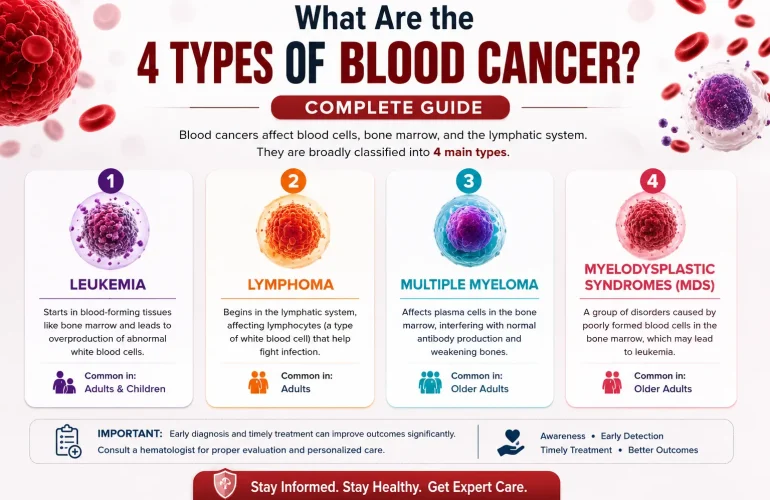
The three major types of blood cancer are leukaemia, lymphoma and multiple myeloma. Each develops differently and has its own set of risk factors.
It is also important to understand that having a risk factor does not mean that a woman will definitely develop blood cancer. In many cases, the exact reason why a person develops blood cancer cannot be identified.
What Is Blood Cancer?
Blood cancer refers to cancers that begin in blood-forming tissues, such as the bone marrow, or in cells of the immune and lymphatic systems.
The major types include:
- Leukaemia: A cancer involving blood-forming tissues that leads to the production of abnormal blood cells.
- Lymphoma: A cancer that develops in lymphocytes, a type of white blood cell, and commonly affects the lymphatic system.
- Multiple myeloma: A cancer of plasma cells, which are immune cells that normally produce antibodies.
These cancers can affect women as well as men. However, certain risk factors and circumstances may be particularly relevant when discussing blood cancer in females.
What Causes Blood Cancer in Females?
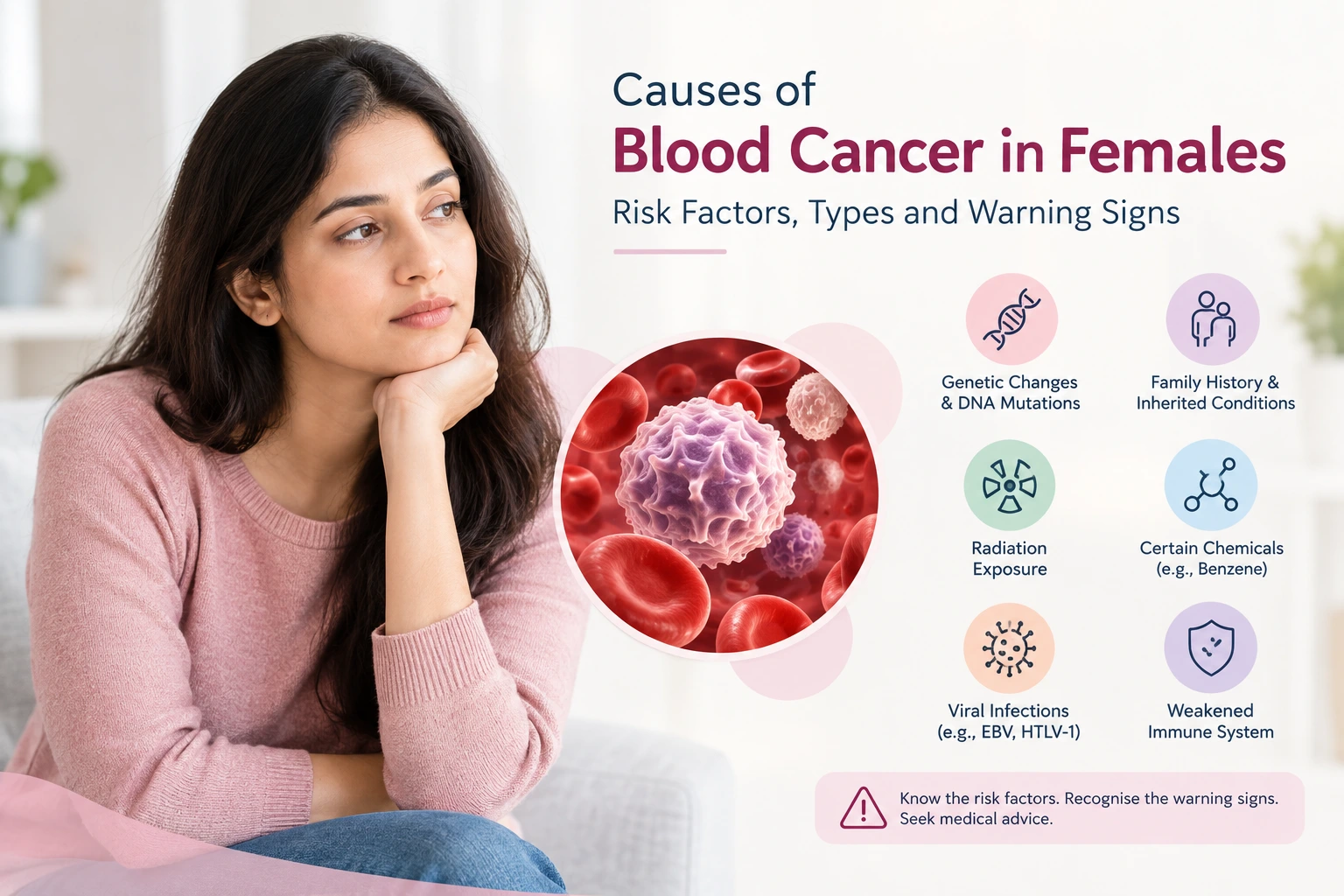
There is no single cause of blood cancer in females. In most cases, the disease develops because of changes or mutations in the DNA of blood-forming or immune cells.
Normally, cells follow controlled processes that regulate their growth, division and death. Genetic changes can interfere with these processes. As abnormal cells continue to grow, they may eventually crowd out healthy cells or interfere with normal blood-cell production.
The exact genetic changes can occur for different reasons, and sometimes there is no identifiable cause.
Some factors have been associated with an increased risk of particular types of blood cancer.
1. Genetic Changes and DNA Mutations
Genetic changes are central to the development of cancer. In blood cancer, changes in the DNA of blood-forming cells can affect genes that regulate cell growth and division.
These changes may cause abnormal cells to multiply excessively or survive longer than normal cells.
Importantly, not every genetic change associated with blood cancer is inherited from a parent. Many changes occur during a person’s lifetime and are acquired rather than inherited.
2. Family History and Certain Inherited Conditions
A family history of certain blood cancers may increase a person’s risk, although most people with a family history do not necessarily develop blood cancer.
Some inherited genetic conditions are also associated with an increased risk of particular leukaemias or other cancers.
A woman with a strong family history of blood cancer or a known inherited genetic condition may benefit from discussing her individual risk with a qualified doctor.
3. Previous Cancer Treatment
Certain cancer treatments can increase the risk of developing a different blood cancer later in life.
In particular, some types of chemotherapy and radiation therapy have been associated with treatment-related leukaemia or other blood disorders.
However, the potential risk needs to be considered alongside the benefits of treating the original cancer. Most people who receive cancer treatment do not develop a secondary blood cancer.
4. Exposure to High Levels of Radiation
High-dose exposure to ionising radiation has been associated with an increased risk of certain types of leukaemia.
This is different from routine medical imaging. X-rays and other diagnostic imaging procedures use controlled doses of radiation, and the potential risks are generally considered when determining whether an examination is medically necessary.
People should not avoid medically necessary diagnostic tests because of concerns about radiation without discussing those concerns with their doctor.
5. Exposure to Certain Chemicals
Long-term exposure to certain chemicals may increase the risk of some blood cancers.
Benzene is one example. It is an industrial chemical that has been associated with an increased risk of acute myeloid leukaemia (AML).
Potential occupational exposure may occur in certain industrial environments, including some manufacturing and chemical-related workplaces.
Appropriate workplace safety measures and protective equipment can help reduce exposure to hazardous chemicals.
6. Certain Genetic and Chromosomal Conditions
Some genetic or chromosomal conditions are associated with a higher risk of particular blood cancers.
For example, Down syndrome is associated with an increased risk of certain types of leukaemia.
These conditions do not mean that blood cancer will definitely develop. They simply represent an increased statistical risk compared with the general population.
7. Certain Disorders of the Blood or Bone Marrow
Some bone marrow disorders can increase the likelihood of developing certain types of blood cancer.
For example, myelodysplastic syndromes can sometimes progress to acute myeloid leukaemia.
Regular medical follow-up may be recommended for people who have been diagnosed with certain blood or bone marrow disorders.
8. Weakened Immune System
A weakened immune system can increase the risk of certain cancers, including some types of lymphoma.
Immunosuppression may occur because of certain medical conditions, medications or organ transplantation.
Some infections that affect the immune system have also been associated with specific types of lymphoma.
9. Certain Viral Infections
Some viral infections are associated with particular blood cancers.
For example, Epstein-Barr virus (EBV) has been linked to certain types of lymphoma, while human T-cell leukaemia virus type 1 (HTLV-1) can cause adult T-cell leukaemia/lymphoma in a small proportion of infected individuals.
Having an infection associated with a blood cancer does not mean that a person will develop cancer. The majority of people exposed to these viruses do not develop blood cancer.
Can Hormonal Changes Cause Blood Cancer in Females?
Hormonal changes associated with menstruation, pregnancy or menopause are not established as direct causes of blood cancer.
Similarly, there is no evidence that normal menstrual cycles themselves cause leukaemia, lymphoma or multiple myeloma.
Women may experience changes in blood counts during pregnancy, menstruation or other stages of life, but these changes are different from the abnormal blood-cell production associated with blood cancer.
If a woman develops persistent abnormalities in blood counts, a doctor can investigate the underlying cause.
Does Pregnancy Cause Blood Cancer?
Pregnancy itself is not considered a direct cause of blood cancer.
However, blood cancers can occasionally be diagnosed during pregnancy. Symptoms such as fatigue, weakness or changes in blood counts can sometimes overlap with normal pregnancy-related changes, which may make evaluation more challenging.
If blood tests show persistent or unexplained abnormalities during pregnancy, doctors can determine whether further investigation is necessary.
Treatment decisions during pregnancy require careful coordination between the cancer care team and obstetric specialists.
What Are the Symptoms of Blood Cancer in Females?
The symptoms of blood cancer can vary depending on the type of cancer and how advanced it is.
Common symptoms may include:
- Persistent or unexplained fatigue
- Frequent or recurring infections
- Unexplained fever
- Unexplained weight loss
- Excessive sweating, particularly at night
- Easy bruising
- Frequent or unusual bleeding
- Pale skin
- Shortness of breath
- Swollen lymph nodes
- Persistent bone or joint pain
- Abdominal discomfort or fullness
- Weakness
- Loss of appetite
These symptoms are not specific to blood cancer. Many common health conditions can cause similar symptoms.
For example, fatigue and pale skin can occur with iron-deficiency anaemia, while fever can result from infections. The presence of these symptoms does not mean that a person has blood cancer.
However, symptoms that persist, worsen or occur in combination should be evaluated by a healthcare professional.
When Should a Woman See a Doctor?
It is advisable to consult a doctor if symptoms are persistent, unexplained or significantly different from your usual health.
Particular attention should be given to:
- Recurrent unexplained infections
- Persistent fever
- Unexplained weight loss
- Frequent unexplained bruising
- Bleeding that is unusual or difficult to explain
- Persistent swollen lymph nodes
- Severe or ongoing fatigue
- Persistent bone pain
- Abnormal blood-test results
A doctor can determine whether these symptoms are related to a blood disorder, infection, nutritional deficiency or another medical condition.
How Is Blood Cancer Diagnosed?
If blood cancer is suspected, the doctor may begin with a medical history and physical examination.
A complete blood count (CBC) is commonly used to assess the levels of different blood cells. Depending on the results and symptoms, additional investigations may be recommended.
These may include:
| Test | Purpose |
| Complete blood count (CBC) | Measures red blood cells, white blood cells and platelets |
| Peripheral blood smear | Examines blood cells under a microscope |
| Bone marrow examination | Evaluates blood-forming cells in the bone marrow |
| Lymph node biopsy | Helps diagnose certain types of lymphoma |
| Imaging tests | Evaluate lymph nodes, organs or other areas |
| Immunophenotyping | Helps identify specific types of abnormal blood cells |
| Genetic and molecular tests | Identify certain chromosome or gene changes |
Not every patient requires all of these tests. The diagnostic approach depends on the symptoms, blood-test results and suspected type of blood cancer.
Can Blood Cancer in Females Be Prevented?
There is no guaranteed way to prevent most blood cancers because many cases develop due to genetic changes that cannot be predicted or prevented.
However, certain practical steps can reduce exposure to known risk factors.
These include:
- Following workplace safety precautions when working around chemicals.
- Avoiding unnecessary exposure to hazardous substances.
- Not smoking.
- Maintaining a healthy lifestyle.
- Discussing unusual or persistent symptoms with a doctor.
- Following recommended medical monitoring if you have a condition associated with an increased risk of blood cancer.
It is important to remember that blood cancer can occur even in people who have no known risk factors.
Common Myths About the Causes of Blood Cancer in Females
Myth 1: Blood cancer is caused by eating sugar.
There is no evidence that simply eating sugar directly causes blood cancer. Excessive consumption of sugary foods can contribute to other health problems, but cancer development is much more complex.
Myth 2: Menstrual problems cause blood cancer.
Menstrual problems are not considered a direct cause of blood cancer. However, unusually heavy menstrual bleeding can cause iron-deficiency anaemia and should be evaluated when persistent.
Myth 3: Pregnancy causes blood cancer.
Pregnancy itself is not considered a direct cause of blood cancer. Blood cancer can occasionally occur during pregnancy, but this is different from pregnancy causing the disease.
Myth 4: Every woman with fatigue has blood cancer.
Fatigue is extremely common and can result from anaemia, nutritional deficiencies, infections, stress, sleep problems and many other conditions. Persistent or unexplained fatigue should be assessed rather than automatically linked to cancer.
Frequently Asked Questions About Causes of Blood Cancer in Females
What is the main cause of blood cancer in females?
There is no single main cause. Blood cancer generally develops because of genetic changes that cause abnormal blood-forming or immune cells to grow uncontrollably. In many patients, the exact reason for these changes is unknown.
Can blood cancer be hereditary?
Some inherited genetic conditions can increase the risk of certain blood cancers, and a family history may be relevant in some cases. However, most blood cancers are not simply inherited from a parent.
Can stress cause blood cancer?
Stress is not considered a direct cause of blood cancer. Chronic stress can affect general health, but blood cancers develop through complex genetic and cellular changes.
Can anaemia turn into blood cancer?
Most cases of anaemia do not turn into blood cancer. Anaemia has many causes, including iron deficiency, vitamin deficiencies, blood loss and chronic diseases. Some blood cancers can themselves cause anaemia, which is why unexplained or persistent anaemia may require medical evaluation.
What blood tests can detect blood cancer?
A complete blood count and peripheral blood smear can provide important clues, but a blood test alone cannot diagnose every type of blood cancer. Depending on the suspected condition, bone marrow tests, lymph node biopsy, imaging and specialised genetic or molecular tests may be needed.
Conclusion
Understanding the causes of blood cancer in females can help women recognise potential risk factors and understand when medical evaluation may be appropriate. Blood cancer does not have one specific cause. It usually develops through genetic changes that affect the normal growth and function of blood-forming or immune cells.
Factors such as certain genetic conditions, previous cancer treatment, high-dose radiation exposure, exposure to benzene, weakened immunity and specific infections can increase the risk of particular blood cancers. However, many people who develop blood cancer have no identifiable risk factor.
Symptoms such as persistent fatigue, unexplained fever, recurrent infections, unusual bruising or bleeding, swollen lymph nodes and unexplained weight loss can have many causes and do not automatically indicate cancer. Nevertheless, persistent or unexplained symptoms should be evaluated by a healthcare professional.
Early medical evaluation can help identify the cause of abnormal symptoms or blood-test results and determine whether further investigation is needed.
Aayush Hospital provides medical evaluation and treatment for a range of health conditions. If you or a family member has persistent unexplained symptoms or abnormal blood-test results, consult a qualified healthcare professional for appropriate evaluation and personalised medical advice.
Disclaimer: This article is intended for general health education and does not constitute medical advice, diagnosis or treatment. The causes, symptoms and risk factors of blood cancer can vary between individuals. Always consult a qualified healthcare professional for an accurate diagnosis and appropriate treatment.
Contact Details: