
Is GERD Dangerous? Understanding the Risks, Complications, and Treatment Options
Gastroesophageal reflux disease (GERD) is a common digestive disorder that affects millions of people worldwide. Many individuals experience occasional acidity or heartburn after eating spicy foods or large meals, but when acid reflux becomes frequent and persistent, it may indicate GERD.
A common question many patients ask is: “Is GERD dangerous?” The answer is yes—if left untreated, GERD can lead to serious health complications affecting the esophagus, respiratory system, sleep quality, and overall well-being.
While mild acid reflux may seem harmless initially, chronic GERD can damage the lining of the esophagus and increase the risk of long-term complications. Understanding the condition, its symptoms, risk factors, and treatment options is important for preventing serious health issues.
At Aayush Hospital, our specialists provide advanced diagnosis and personalized treatment for GERD and related digestive disorders to help patients achieve long-term relief.
What Is GERD?
GERD, or gastroesophageal reflux disease, occurs when stomach acid repeatedly flows backward into the esophagus. This backflow, called acid reflux, irritates the lining of the food pipe and causes symptoms such as heartburn and regurgitation.
Normally, a muscle called the lower esophageal sphincter (LES) acts as a valve between the stomach and esophagus. When this muscle weakens or relaxes abnormally, acid moves upward into the esophagus.
Is GERD Dangerous if Left Untreated?
Yes, GERD can become dangerous if symptoms are ignored for a long time. Persistent acid exposure can damage the esophagus and lead to complications ranging from inflammation to precancerous changes.
Many people treat recurring heartburn with over-the-counter medications without understanding the underlying problem. Chronic GERD should always be medically evaluated because long-term acid reflux can progressively worsen over time.
Common Symptoms of GERD
Recognizing symptoms early can help prevent complications.
Typical Symptoms of GERD
- Burning sensation in the chest (heartburn)
- Sour taste in the mouth
- Acid regurgitation
- Difficulty swallowing
- Chest discomfort
- Feeling of a lump in the throat
- Burping and bloating
Nighttime GERD Symptoms
GERD symptoms often worsen at night, especially after lying down.
Common Nighttime Symptoms
- Chronic cough
- Interrupted sleep
- Hoarseness
- Sore throat
- Wheezing
- Choking sensation during sleep
Nighttime reflux can significantly affect sleep quality and overall health.
Warning Signs That GERD May Be Serious
Certain symptoms may indicate advanced GERD or complications.
Seek Medical Attention If You Have:
- Difficulty swallowing
- Pain while swallowing
- Unexplained weight loss
- Vomiting blood
- Black stools
- Persistent chest pain
- Severe or worsening reflux symptoms
These symptoms should never be ignored, as they may indicate significant esophageal damage or other medical conditions.
Complications of Untreated GERD
One of the biggest concerns regarding the question “is GERD dangerous” is the risk of complications. Chronic reflux can affect multiple parts of the body.
1. Esophagitis
Esophagitis is inflammation of the esophageal lining caused by repeated exposure to stomach acid.
Symptoms of Esophagitis
- Painful swallowing
- Chest pain
- Ulcers in the esophagus
- Bleeding
Long-term inflammation can make swallowing difficult and painful.
2. Esophageal Stricture
Repeated acid damage can cause scar tissue formation inside the esophagus, leading to narrowing called an esophageal stricture.
Symptoms of Esophageal Stricture
- Food getting stuck
- Difficulty swallowing
- Choking sensation
- Weight loss due to eating difficulties
This condition may require medical procedures to widen the esophagus.
3. Barrett’s Esophagus
Barrett’s esophagus is one of the most serious complications of chronic GERD. In this condition, the normal cells lining the esophagus change due to prolonged acid exposure.
Why Is Barrett’s Esophagus Dangerous?
Barrett’s esophagus is considered a precancerous condition because it increases the risk of esophageal cancer.
Risk Factors for Barrett’s Esophagus
- Long-term GERD
- Smoking
- Obesity
- Age over 50
- Chronic heartburn
Not everyone with GERD develops Barrett’s esophagus, but untreated reflux significantly increases the risk.
4. Increased Risk of Esophageal Cancer
One reason people ask “is GERD dangerous” is because chronic acid reflux has been linked to esophageal adenocarcinoma, a type of cancer affecting the esophagus.
Although the overall cancer risk remains low, persistent untreated GERD can increase the chances of abnormal cellular changes over time.
Symptoms That May Suggest Advanced Disease
- Progressive swallowing difficulty
- Persistent chest pain
- Vomiting blood
- Unexplained weight loss
Early diagnosis and regular monitoring are extremely important.
5. Respiratory Problems
GERD does not only affect digestion—it can also impact the lungs and airways.
Respiratory Complications of GERD
- Chronic cough
- Asthma worsening
- Recurrent throat infections
- Laryngitis
- Aspiration pneumonia
Acid reflux reaching the throat or lungs can irritate the respiratory tract and cause long-term issues.
GERD Symptoms vs Occasional Acidity
| Feature | Occasional Acidity | GERD |
| Frequency | Rare | Frequent |
| Severity | Mild | Persistent |
| Trigger | Heavy meals | Multiple triggers |
| Duration | Short-term | Chronic |
| Complications | Rare | Possible serious complications |
| Need for treatment | Usually temporary | Requires medical management |
Causes of GERD
GERD develops due to weakness or dysfunction of the lower esophageal sphincter.
Common Causes and Triggers
- Obesity
- Smoking
- Pregnancy
- Hiatal hernia
- Eating late at night
- Fatty and spicy foods
- Alcohol consumption
- Excess caffeine
Foods That Can Trigger GERD
Diet plays a major role in acid reflux symptoms.
Foods That May Worsen GERD
- Fried foods
- Spicy foods
- Citrus fruits
- Chocolate
- Coffee
- Carbonated drinks
- Tomatoes
- Peppermint
Avoiding trigger foods may help reduce reflux episodes.
Is GERD Dangerous During Sleep?
Yes, nighttime GERD can be particularly harmful because lying flat allows acid to remain in contact with the esophagus for longer periods.
Risks of Nighttime GERD
- Severe sleep disruption
- Aspiration into lungs
- Chronic cough
- Increased esophageal damage
Elevating the head while sleeping and avoiding meals before bedtime may help reduce symptoms.
How GERD Is Diagnosed
Doctors use several methods to diagnose GERD and evaluate complications.
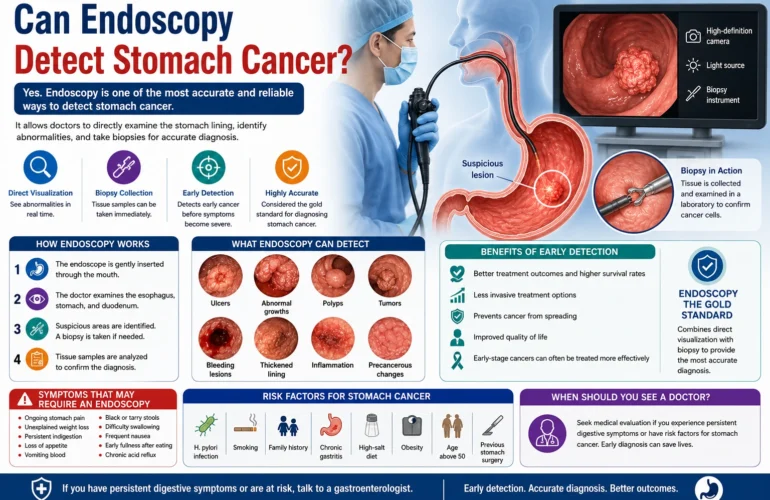
Common Diagnostic Tests
| Test | Purpose |
| Endoscopy | Examines esophageal damage |
| pH Monitoring | Measures acid reflux levels |
| Barium Swallow | Evaluates swallowing issues |
| Esophageal Manometry | Tests muscle function |
Early diagnosis helps prevent serious complications.
Treatment Options for GERD
Fortunately, GERD can usually be managed successfully with lifestyle changes, medications, and in some cases, surgery.
Lifestyle Changes for GERD
Lifestyle modifications are often the first step in treatment.
Recommended Lifestyle Tips
- Eat smaller meals
- Avoid lying down after eating
- Lose excess weight
- Stop smoking
- Reduce alcohol intake
- Sleep with the head elevated
- Avoid trigger foods
Even small lifestyle changes can significantly improve symptoms.
Medications for GERD
Doctors may prescribe medications to reduce acid production and heal the esophagus.
Common GERD Medications
- Antacids
- H2 blockers
- Proton pump inhibitors (PPIs)
These medications should be taken under medical supervision for proper symptom control.
When Is Surgery Needed for GERD?
Some patients with severe or persistent GERD may require surgery if medications do not provide adequate relief.
Surgical Options
- Fundoplication surgery
- Laparoscopic anti-reflux surgery
- Hiatal hernia repair
Minimally invasive procedures can help strengthen the lower esophageal sphincter and reduce reflux.
Can GERD Be Prevented?
While not all cases are preventable, healthy habits can greatly reduce the risk.
Prevention Tips
- Maintain a healthy weight
- Eat balanced meals
- Avoid overeating
- Exercise regularly
- Limit smoking and alcohol
- Manage stress levels
Preventive care is important for long-term digestive health.
Real-Life Impact of Untreated GERD
Many patients underestimate GERD because symptoms often start mildly. Several people ignore chronic heartburn for years before being diagnosed with complications such as Barrett’s esophagus and swallowing problems.
Patients frequently report that proper treatment, lifestyle changes, and early specialist consultation helped improve symptoms and prevent worsening disease.
When Should You See a Doctor for GERD?
Consult a healthcare professional if you:
- Experience heartburn more than twice a week
- Have difficulty swallowing
- Notice worsening symptoms
- Depend regularly on acidity medications
- Experience chest discomfort
- Have nighttime reflux symptoms
Early treatment can help prevent long-term complications.
Why Choose Aayush Hospital for GERD Treatment?
At Aayush Hospital, we provide comprehensive diagnosis and treatment for GERD and digestive disorders using advanced medical technology and patient-centered care.
Our GERD Care Services Include:
- Advanced diagnostic evaluation
- Endoscopy services
- Personalized medication plans
- Minimally invasive GERD surgery
- Dietary and lifestyle counseling
- Long-term digestive health management
Our experienced specialists focus on identifying the root cause of reflux and helping patients achieve lasting relief.
Conclusion
So, is GERD dangerous? The answer is yes—especially when symptoms are frequent, severe, or left untreated for years. Chronic acid reflux can damage the esophagus, affect breathing and sleep, and increase the risk of serious complications such as Barrett’s esophagus and esophageal cancer.
The good news is that GERD is highly manageable with timely diagnosis, lifestyle changes, proper medications, and expert medical care. Ignoring persistent heartburn is never advisable, especially if symptoms interfere with daily life or continue despite treatment.
If you are experiencing ongoing acidity, reflux, or swallowing difficulties, consult the specialists at Aayush Hospital for expert GERD evaluation and personalized treatment. Proper care today can help prevent serious complications in the future.
Contact Details: