Gastroenterology

Gastrointestinal Symptoms: Causes, Signs, Diagnosis and When to See a Doctor

Digestive health plays an important role in overall well-being. The gastrointestinal system is responsible for digesting food, absorbing essential nutrients and eliminating waste from the body. When something affects the digestive tract, it can lead to a wide range of symptoms, from mild bloating and indigestion to persistent abdominal pain, diarrhoea or changes in bowel movements.

Gastrointestinal symptoms are common and can occur for many different reasons. Some may be temporary and related to diet, infections or changes in routine, while persistent symptoms may sometimes indicate an underlying digestive condition that requires medical evaluation.

Understanding common gastrointestinal symptoms, their possible causes and the warning signs that should not be ignored can help you seek appropriate medical care at the right time.

What Are Gastrointestinal Symptoms?

Gastrointestinal symptoms are signs or changes associated with the digestive system. The gastrointestinal tract includes the oesophagus, stomach, small intestine, large intestine, rectum and anus. The liver, gallbladder and pancreas also play important roles in digestion.

Symptoms can affect different parts of the digestive system and may vary from person to person. Some people may experience a single symptom, while others may have several symptoms at the same time.

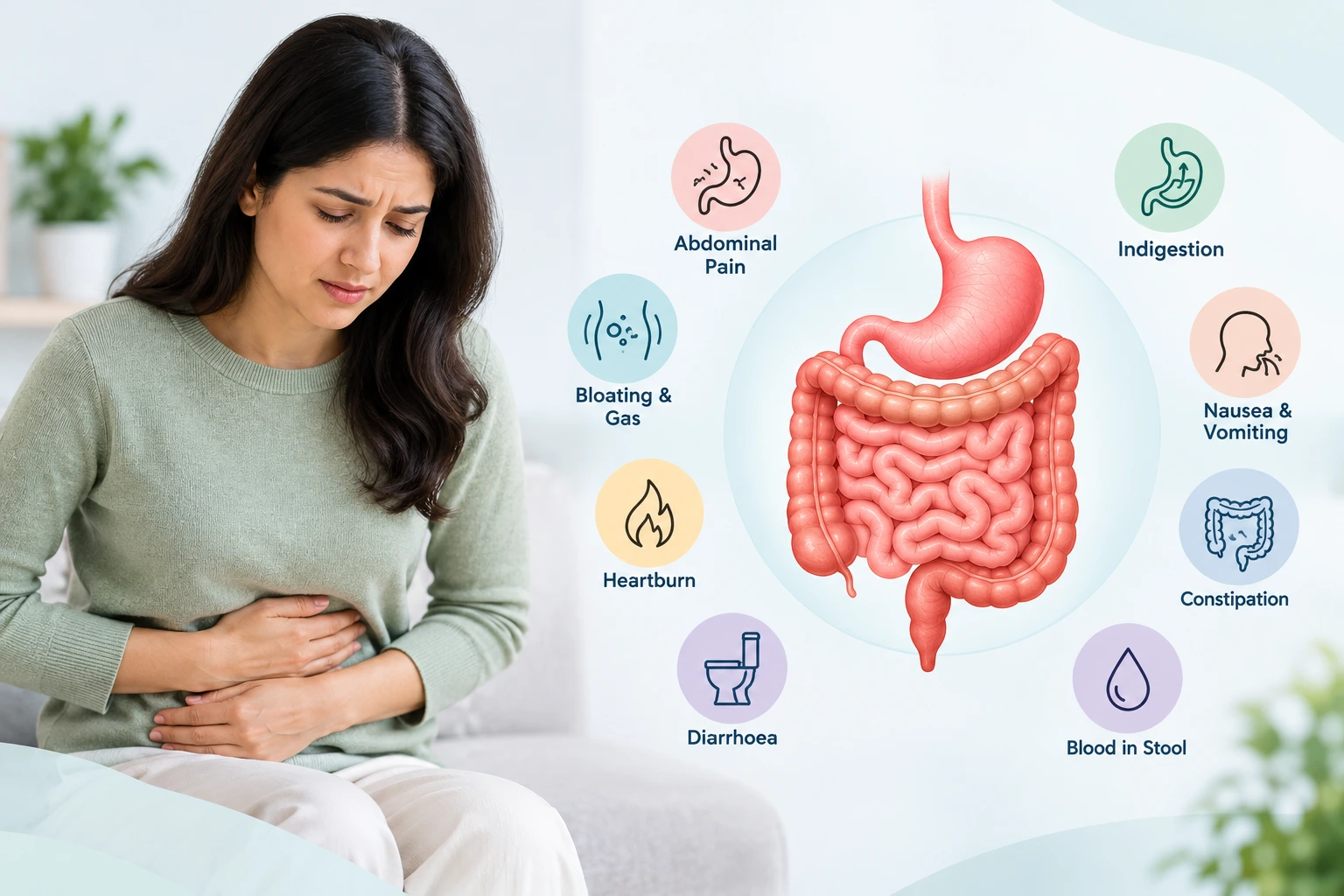
Common gastrointestinal symptoms include:

  • Abdominal or stomach pain
  • Bloating and excessive gas
  • Indigestion
  • Heartburn and acid reflux
  • Nausea
  • Vomiting
  • Diarrhoea
  • Constipation
  • Changes in bowel movements
  • Changes in stool colour or consistency
  • Loss of appetite
  • Feeling full quickly
  • Difficulty swallowing
  • Blood in the stool
  • Unexplained weight loss

The presence of one symptom does not necessarily indicate a specific disease. Doctors generally consider the type, duration, severity and combination of symptoms before determining the possible cause.

Common Gastrointestinal Symptoms

Abdominal Pain

Abdominal pain is one of the most frequently reported gastrointestinal symptoms. It can occur in different areas of the abdomen and may feel sharp, dull, burning, cramping or aching.

The location and nature of the pain can sometimes provide useful information about its possible cause. For example, discomfort in the upper abdomen may occur with indigestion, gastritis or peptic ulcers, while abdominal pain associated with changes in bowel habits can occur with conditions such as irritable bowel syndrome.

Occasional mild abdominal discomfort may not be a cause for concern. However, severe, persistent or recurrent abdominal pain should be evaluated by a healthcare professional, particularly if it occurs with vomiting, fever, bleeding or unexplained weight loss.

Bloating and Excessive Gas

Bloating is a feeling of fullness, pressure or swelling in the abdomen. It may occur after meals or may continue throughout the day.

Eating too quickly, consuming certain foods, constipation and excessive intestinal gas can contribute to bloating. Some people may also experience persistent bloating because of food intolerances or gastrointestinal conditions such as irritable bowel syndrome.

Occasional bloating is common, but persistent or recurrent bloating accompanied by abdominal pain, vomiting, changes in bowel habits or unexplained weight loss should be discussed with a doctor.

Heartburn and Acid Reflux

Heartburn is usually experienced as a burning sensation behind the breastbone. It can occur when stomach contents flow back into the oesophagus, a process known as acid reflux.

Occasional acid reflux may happen after eating a large meal or consuming foods that trigger symptoms. However, frequent reflux may be associated with gastroesophageal reflux disease (GERD).

People with GERD may experience:

  • Frequent heartburn
  • Regurgitation of food or acidic contents
  • Chest discomfort
  • Nausea
  • Difficulty swallowing
  • Chronic cough or throat irritation in some cases

Persistent heartburn or difficulty swallowing should be medically evaluated rather than managed repeatedly through self-medication.

Nausea and Vomiting

Nausea is the uncomfortable sensation that you may need to vomit, while vomiting involves the forceful emptying of stomach contents.

These symptoms can occur because of gastrointestinal infections, food poisoning, indigestion, gastritis, reflux, medication side effects and several other conditions.

Occasional nausea may resolve on its own, but repeated vomiting can result in dehydration and electrolyte disturbances. Medical attention is particularly important when vomiting is persistent, contains blood, occurs with severe abdominal pain or prevents a person from keeping fluids down.

Diarrhoea

Diarrhoea refers to loose or watery stools that occur more frequently than usual. It may develop suddenly or continue for a longer period depending on its underlying cause.

Acute diarrhoea is commonly associated with gastrointestinal infections, contaminated food or water and certain medications. Persistent diarrhoea, however, may have other causes, including food intolerances, irritable bowel syndrome and inflammatory bowel disease.

Diarrhoea may also be accompanied by abdominal cramps, nausea, vomiting, fever or an urgent need to use the toilet.

One of the major concerns with prolonged diarrhoea is dehydration. Drinking adequate fluids is important, but persistent diarrhoea should be evaluated to identify and treat the underlying cause.

Constipation

Constipation is another common gastrointestinal symptom. It may involve having fewer bowel movements than usual, passing hard or dry stools, straining during bowel movements or feeling that the bowel has not completely emptied.

Low fibre intake, inadequate fluid consumption, changes in routine, reduced physical activity and certain medications can contribute to constipation. It may also occur as part of certain gastrointestinal conditions.

Occasional constipation may improve with appropriate dietary and lifestyle changes. Persistent constipation, particularly when accompanied by abdominal pain, vomiting, rectal bleeding or unexplained weight loss, requires medical evaluation.

What Causes Gastrointestinal Symptoms?

There are many possible causes of gastrointestinal symptoms. Identifying the underlying cause is important because treatment depends on the specific condition.

Indigestion

Indigestion, also called dyspepsia, can cause upper abdominal discomfort, bloating, nausea, belching and a feeling of fullness during or after meals.

It may be associated with eating habits, certain medications, acid-related conditions or other gastrointestinal disorders.

Gastrointestinal Infections

Viral or bacterial infections can cause symptoms such as diarrhoea, vomiting, abdominal cramps and fever. Food poisoning is another common cause of sudden digestive symptoms.

Most short-term infections improve with appropriate supportive care, but severe symptoms or dehydration may require medical treatment.

Gastritis

Gastritis occurs when the stomach lining becomes inflamed or damaged. Some people may not experience symptoms, while others can develop upper abdominal discomfort, nausea, vomiting, loss of appetite or a feeling of fullness.

Certain infections, medicines and other factors may contribute to gastritis.

Peptic Ulcers

Peptic ulcers are sores that develop in the lining of the stomach or the first part of the small intestine. They can cause upper abdominal pain, nausea, bloating or early fullness.

Helicobacter pylori infection and certain pain-relieving medicines, particularly non-steroidal anti-inflammatory drugs (NSAIDs), are important causes of peptic ulcers.

Gastroesophageal Reflux Disease

GERD develops when stomach contents repeatedly flow back into the oesophagus. Frequent heartburn and regurgitation are common symptoms.

If reflux occurs regularly or causes complications, medical assessment and appropriate treatment may be necessary.

Irritable Bowel Syndrome

Irritable bowel syndrome (IBS) is a gastrointestinal disorder characterised by recurring abdominal pain and changes in bowel habits. Some people experience constipation, while others experience diarrhoea or alternating bowel patterns.

Bloating and changes in stool appearance may also occur.

Inflammatory Bowel Disease

Inflammatory bowel disease includes conditions such as Crohn’s disease and ulcerative colitis. These conditions can cause persistent gastrointestinal symptoms, including diarrhoea, abdominal pain and blood in the stool.

Some people may also experience fatigue, reduced appetite and unintended weight loss.

Gastrointestinal Symptoms That Should Not Be Ignored

Many digestive symptoms are temporary. However, certain symptoms can indicate a more serious problem and should be assessed promptly.

Seek medical attention if you experience:

  • Severe or persistent abdominal pain
  • Repeated vomiting
  • Blood in vomit
  • Blood in the stool
  • Black or tar-like stools
  • Persistent diarrhoea
  • Long-lasting constipation
  • Difficulty or pain while swallowing
  • Unexplained weight loss
  • Persistent loss of appetite
  • Significant or recurring abdominal swelling
  • Fever along with severe gastrointestinal symptoms
  • Symptoms of dehydration

Black, tarry stools or vomiting blood can be signs of gastrointestinal bleeding and require urgent medical assessment.

How Are Gastrointestinal Symptoms Diagnosed?

When you visit a doctor with gastrointestinal symptoms, the evaluation generally begins with a detailed discussion about your symptoms and medical history.

Your doctor may ask about when the symptoms began, how often they occur, whether they are related to food, changes in bowel movements, medications you take and any previous digestive problems.

A physical examination may then be performed. Depending on the symptoms and suspected cause, the doctor may recommend additional investigations.

These can include:

Diagnostic test What it may help evaluate
Blood tests Infection, inflammation, anaemia and other abnormalities
Stool tests Infection, inflammation or blood in stool
Ultrasound Certain abdominal organs and structural abnormalities
CT scan Detailed evaluation of abdominal structures
MRI Selected gastrointestinal and abdominal conditions
Upper GI endoscopy Oesophagus, stomach and upper small intestine
Colonoscopy Colon and rectum
Other specialised tests Specific digestive or gastrointestinal disorders

Not every person with gastrointestinal symptoms needs every test. The choice of investigation depends on the individual’s symptoms, medical history and clinical examination.

Treatment for Gastrointestinal Symptoms

Treatment for gastrointestinal symptoms depends on the underlying cause. Rather than treating only the symptom, doctors aim to identify and manage the condition responsible for it.

Depending on the diagnosis, treatment may include dietary changes, lifestyle modifications, medicines, treatment for infections, management of acid reflux, treatment for ulcers or inflammatory conditions, endoscopic procedures or surgery when required.

For example, treatment for an infection will differ from treatment for GERD, IBS or an inflammatory bowel condition. This is why persistent symptoms should not be repeatedly self-treated without medical advice.

Lifestyle Habits That Can Support Digestive Health

Healthy daily habits can support normal digestive function and may help reduce certain digestive complaints.

Some general measures include:

  • Eat a balanced diet containing adequate fibre.
  • Drink sufficient water throughout the day.
  • Eat meals slowly and avoid overeating.
  • Identify and limit foods that consistently trigger symptoms.
  • Stay physically active.
  • Follow good food hygiene practices.
  • Avoid unnecessary use of medicines that can irritate the digestive system.
  • Maintain a healthy body weight.
  • Avoid smoking.
  • Consult a doctor when symptoms persist or repeatedly return.

These measures are not a substitute for medical treatment when an underlying gastrointestinal condition is present.

When Should You Consult a Gastrointestinal Specialist?

You should consider consulting a doctor when gastrointestinal symptoms are persistent, recurrent, worsening or affecting your daily life.

A specialist evaluation may be particularly important if symptoms such as abdominal pain, diarrhoea, constipation, reflux, vomiting or bloating continue despite basic lifestyle measures.

Prompt evaluation is especially important when symptoms are associated with gastrointestinal bleeding, unexplained weight loss, severe pain, repeated vomiting or difficulty swallowing.

Early evaluation can help identify the underlying cause and prevent complications associated with some gastrointestinal conditions.

Frequently Asked Questions About Gastrointestinal Symptoms

What are the most common gastrointestinal symptoms?

The most common gastrointestinal symptoms include abdominal pain, bloating, gas, indigestion, heartburn, nausea, vomiting, diarrhoea, constipation and changes in bowel movements.

Can gastrointestinal symptoms be caused by stress?

Stress can influence the gut-brain connection and may worsen symptoms in some digestive disorders, including IBS and functional dyspepsia. However, persistent gastrointestinal symptoms should not automatically be attributed to stress without appropriate medical evaluation.

Is bloating a sign of a gastrointestinal problem?

Occasional bloating is common and can be related to diet, gas or constipation. Persistent or recurrent bloating, especially when accompanied by pain, vomiting, bowel changes or unexplained weight loss, should be evaluated by a doctor.

When is abdominal pain serious?

Abdominal pain should receive prompt medical attention when it is severe, sudden, persistent or accompanied by symptoms such as vomiting, fever, bleeding, fainting or unexplained weight loss.

Should blood in stool be checked by a doctor?

Yes. Blood in the stool can have several causes and should not be ignored. Black or tarry stools or significant bleeding require urgent medical evaluation.

Conclusion

Gastrointestinal symptoms can range from occasional indigestion and bloating to persistent abdominal pain, changes in bowel movements or gastrointestinal bleeding. While many digestive complaints are temporary, symptoms that persist, repeatedly return or become more severe may require medical evaluation.

Paying attention to the duration, severity and combination of symptoms can help you recognise when professional medical advice is needed. Symptoms such as severe abdominal pain, repeated vomiting, blood in the stool, black stools, unexplained weight loss or difficulty swallowing should receive prompt attention.

At Aayush Hospital, patients can seek medical evaluation for persistent or concerning digestive symptoms. A healthcare professional can assess the symptoms, recommend appropriate investigations when required and develop a treatment plan based on the underlying condition.

Disclaimer: This article is intended for general health education and does not constitute medical advice, diagnosis or treatment. Gastrointestinal symptoms can have different causes in different individuals. Consult a qualified healthcare professional for an appropriate evaluation and personalised medical advice.

Contact Details:
Aayush Hospital

Aayush Multispeciality Hospital in Kalyan, Maharashtra

Address: 744Q+H7Q Shopping Complex, Building No. E2, 2nd & 3rd Floor, Radha Nagar, Khadakpada, Kalyan, Maharashtra 421301

Phone: 099670 08900

Website: aayush-hospitals.com


Gastroenterology

Can Endoscopy Detect Stomach Cancer? Aayush Hospital

Stomach cancer, also known as gastric cancer, is one of the most serious digestive system cancers worldwide. The challenge with stomach cancer is that it often develops silently, causing few or no symptoms in its early stages. As a result, many patients are diagnosed only after the disease has progressed, making treatment more complex.

One of the most effective tools doctors use to identify stomach abnormalities is an endoscopy. Many patients experiencing persistent digestive symptoms often ask, can endoscopy detect stomach cancer? The answer is yes. Endoscopy is considered one of the most accurate and reliable methods for detecting stomach cancer and other gastrointestinal conditions.

In this article, we will explore how endoscopy works, how it helps diagnose stomach cancer, its accuracy, benefits, risks, and when you should consider getting tested.

Understanding Stomach Cancer

Stomach cancer occurs when abnormal cells in the stomach lining begin to grow uncontrollably. Over time, these cancerous cells can invade nearby tissues and spread to other parts of the body.

Common Types of Stomach Cancer

Type Description
Adenocarcinoma Most common type, accounting for over 90% of cases
Gastrointestinal Stromal Tumor (GIST) Rare cancer arising from connective tissues
Lymphoma Cancer affecting immune cells within the stomach
Neuroendocrine Tumors Develop from hormone-producing cells

Early detection plays a crucial role in improving treatment outcomes and survival rates.

What Is an Endoscopy?

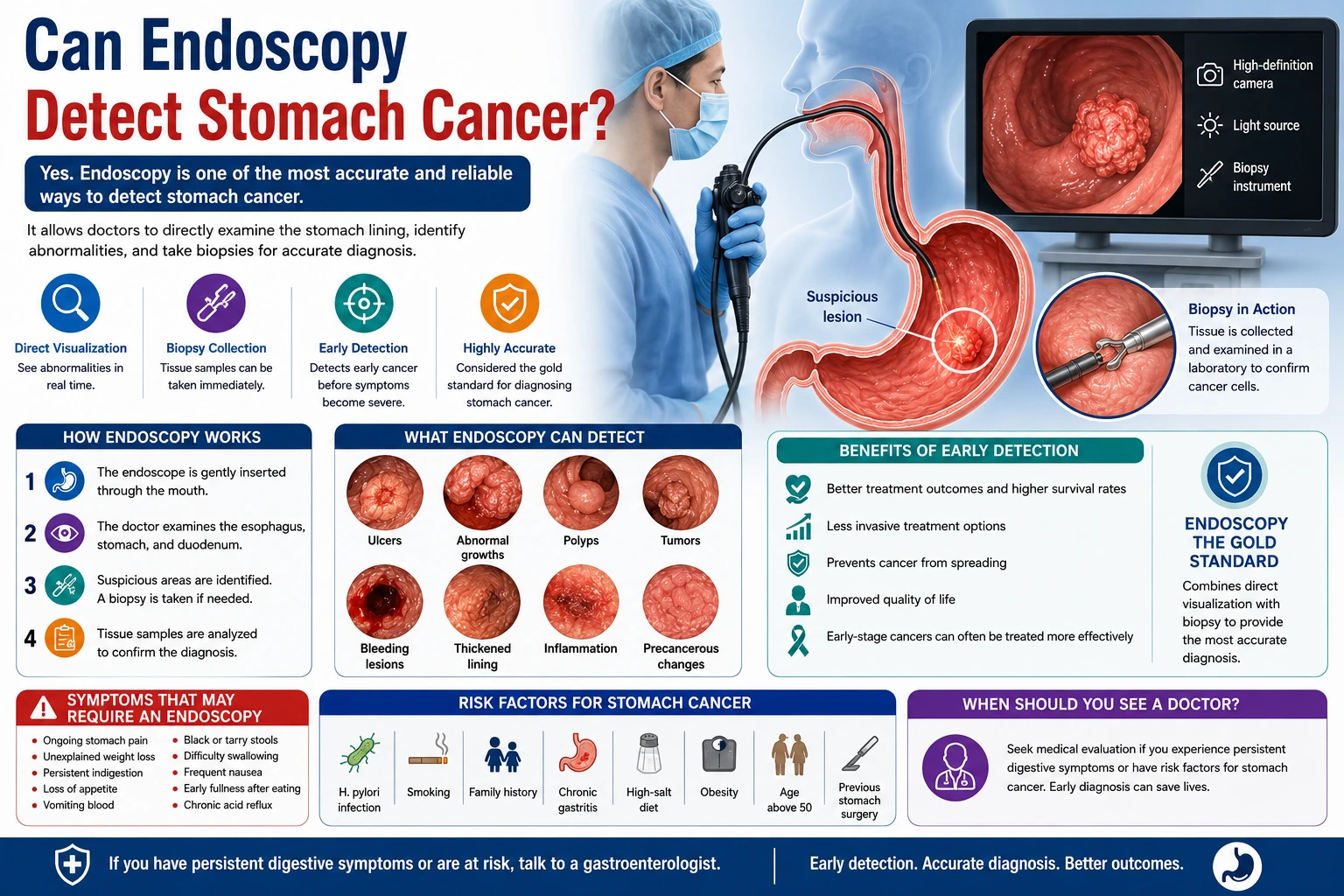
An endoscopy is a minimally invasive procedure that allows doctors to examine the inside of the digestive tract using a thin, flexible tube called an endoscope.

The endoscope contains:

  • A high-definition camera
  • A light source
  • Specialized instruments for tissue sampling

For stomach evaluation, doctors perform an Upper Gastrointestinal Endoscopy (Upper GI Endoscopy) or Esophagogastroduodenoscopy (EGD).

The scope is gently inserted through the mouth and passed down the throat to examine:

  • Esophagus
  • Stomach
  • Duodenum (first part of the small intestine)

This direct visualization helps doctors identify abnormalities that may indicate cancer.

Can Endoscopy Detect Stomach Cancer?

Yes, endoscopy can detect stomach cancer and is considered the gold standard for diagnosing many stomach-related conditions.

During the procedure, doctors can directly inspect the stomach lining for suspicious changes, including:

  • Ulcers
  • Abnormal growths
  • Polyps
  • Bleeding lesions
  • Thickened stomach lining
  • Tumors
  • Precancerous changes

Unlike imaging tests that provide indirect views, endoscopy allows specialists to see the stomach tissue in real time.

If any suspicious area is identified, a biopsy can be performed immediately.

Why Endoscopy Is So Effective for Detecting Stomach Cancer

The effectiveness of endoscopy lies in its ability to combine visualization with tissue diagnosis.

Key Advantages

Direct Visualization

Doctors can observe even small abnormalities that may not appear on imaging scans.

Biopsy Collection

Tissue samples can be taken during the same procedure for laboratory analysis.

Detection of Early Cancer

Endoscopy can identify very early-stage cancers before symptoms become severe.

Monitoring High-Risk Patients

Patients with chronic gastritis, ulcers, or a family history of stomach cancer can be monitored effectively.

These advantages make endoscopy one of the most powerful tools in gastrointestinal cancer detection.

How Does Endoscopy Detect Stomach Cancer?

The process involves several important steps.

Step 1: Examination of the Stomach Lining

The gastroenterologist carefully inspects the stomach’s inner surface for abnormalities such as:

  • Red patches
  • Irregular growths
  • Ulcerated lesions
  • Thickened folds
  • Areas of inflammation

Step 2: Advanced Imaging Techniques

Modern endoscopes may use advanced technologies including:

  • Narrow-band imaging (NBI)
  • Chromoendoscopy
  • Magnification endoscopy
  • High-definition imaging

These techniques help identify subtle cancerous changes that may not be visible under standard examination.

Step 3: Tissue Biopsy

If suspicious tissue is found, tiny instruments passed through the endoscope collect samples.

The biopsy is then examined by a pathologist to determine whether cancer cells are present.

A biopsy remains the definitive method for confirming stomach cancer.

Symptoms That May Require an Endoscopy

Doctors may recommend an endoscopy if you experience persistent digestive symptoms.

Common Warning Signs

  • Ongoing stomach pain
  • Unexplained weight loss
  • Persistent indigestion
  • Difficulty swallowing
  • Loss of appetite
  • Frequent nausea
  • Vomiting blood
  • Black or tarry stools
  • Early fullness after eating
  • Chronic acid reflux

These symptoms do not necessarily mean cancer is present, but they should never be ignored.

Risk Factors for Stomach Cancer

Certain individuals have a higher risk of developing stomach cancer.

Major Risk Factors

Risk Factor Impact
Helicobacter pylori infection Significant increase in risk
Smoking Damages stomach lining
Family history of stomach cancer Increases genetic susceptibility
Chronic gastritis Long-term inflammation raises risk
High-salt diet Associated with gastric cancer development
Obesity Linked to various cancers
Previous stomach surgery May increase long-term risk
Age above 50 Risk rises with age

Patients with multiple risk factors may benefit from earlier screening and evaluation.

Can Endoscopy Detect Early Stomach Cancer?

One of the most important benefits of endoscopy is its ability to detect cancer at an early stage.

Why Early Detection Matters

When stomach cancer is found early:

  • Treatment options are more effective
  • Surgery may be less extensive
  • Survival rates improve significantly
  • Cancer may be removed before spreading

In some cases, very early cancers can be treated using advanced endoscopic procedures without major surgery.

This is one reason why doctors strongly recommend timely evaluation of persistent digestive symptoms.

What Happens During an Endoscopy?

Many patients worry about discomfort during the procedure.

Fortunately, modern endoscopy is generally safe and well-tolerated.

Before the Procedure

Patients are usually asked to:

  • Fast for 6–8 hours
  • Avoid certain medications if advised
  • Arrange transportation if sedation is used

During the Procedure

The doctor:

  1. Administers sedation or throat anesthesia.
  2. Inserts the endoscope through the mouth.
  3. Examines the upper digestive tract.
  4. Takes biopsies if needed.

After the Procedure

Patients are monitored briefly and can usually return home the same day.

The entire procedure typically takes 15–30 minutes.

How Accurate Is Endoscopy for Detecting Stomach Cancer?

Endoscopy is among the most accurate diagnostic tools available.

Accuracy Factors

The accuracy depends on:

  • Quality of equipment
  • Experience of the specialist
  • Size and location of the lesion
  • Use of advanced imaging techniques
  • Adequate biopsy sampling

When combined with biopsy, endoscopy provides highly reliable results and remains the standard method for diagnosing stomach cancer.

Can Stomach Cancer Be Missed on Endoscopy?

Although highly effective, no test is perfect.

Rarely, stomach cancer may be missed if:

  • The lesion is extremely small
  • The cancer is hidden beneath the surface lining
  • Visualization is limited
  • Insufficient biopsy samples are obtained

For this reason, doctors may recommend repeat endoscopy if symptoms persist despite normal findings.

Endoscopy vs Other Tests for Stomach Cancer

Several tests may be used during evaluation, but endoscopy remains the most definitive.

Test Purpose Can Confirm Cancer?
Endoscopy Direct visualization and biopsy Yes
CT Scan Assess spread of cancer No
MRI Evaluate surrounding structures No
PET Scan Detect metastatic disease No
Blood Tests General health assessment No
Biopsy Tissue diagnosis Yes

While imaging tests provide valuable information, a biopsy obtained during endoscopy is usually necessary for confirmation.

Benefits of Early Endoscopic Detection

Major Advantages

  • Earlier diagnosis
  • Better treatment outcomes
  • Less invasive treatment options
  • Reduced cancer spread
  • Improved quality of life
  • Increased survival rates

Patients diagnosed in the early stages often experience significantly better long-term outcomes than those diagnosed later.

Are There Any Risks Associated with Endoscopy?

Endoscopy is generally very safe when performed by experienced specialists.

Possible Risks

  • Mild sore throat
  • Temporary bloating
  • Sedation-related reactions
  • Bleeding after biopsy
  • Rare perforation of the digestive tract

Serious complications are uncommon, and the benefits usually far outweigh the risks when cancer detection is a concern.

When Should You See a Doctor?

You should seek medical evaluation if you experience:

  • Persistent indigestion lasting several weeks
  • Unexplained weight loss
  • Ongoing stomach discomfort
  • Difficulty swallowing
  • Vomiting blood
  • Black stools
  • Family history of stomach cancer

Prompt assessment can lead to earlier diagnosis and more effective treatment.

Why Choose Aayush Hospital for Gastrointestinal Evaluation?

At Aayush Hospital, patients receive comprehensive digestive health care supported by advanced diagnostic technology and experienced specialists.

Our approach includes:

We are committed to providing timely diagnosis and evidence-based treatment to help patients achieve the best possible outcomes.

Conclusion

So, can endoscopy detect stomach cancer? Absolutely. Endoscopy is one of the most effective and reliable methods for identifying stomach cancer, especially in its early stages. By allowing direct visualization of the stomach lining and enabling immediate biopsy collection, endoscopy plays a critical role in accurate diagnosis and treatment planning.

If you are experiencing persistent digestive symptoms or have risk factors for stomach cancer, do not delay seeking medical advice. Early detection can make a significant difference in treatment success and long-term health outcomes.

FAQs

Can endoscopy detect stomach cancer in its early stages?

Yes. Endoscopy can identify very early cancerous and precancerous changes, often before significant symptoms develop.

Is a biopsy always necessary during endoscopy?

If suspicious tissue is found, a biopsy is usually recommended because it is the only way to definitively confirm cancer.

How long does an endoscopy take?

Most upper GI endoscopy procedures take approximately 15–30 minutes.

Is endoscopy painful?

Patients are generally given sedation, making the procedure comfortable and minimally invasive.

Can a normal endoscopy completely rule out stomach cancer?

A normal endoscopy significantly reduces the likelihood of stomach cancer, but additional testing may be recommended if symptoms persist or risk factors are present.

Contact Details:

Aayush Hospital

Aayush Multispeciality Hospital in Kalyan, Maharashtra

Address: 744Q+H7Q Shopping Complex, Building No. E2, 2nd & 3rd Floor, Radha Nagar, Khadakpada, Kalyan, Maharashtra 421301

Phone: 099670 08900

Website: aayush-hospitals.com


Gastroenterology

Is GERD Dangerous? Understanding the Risks, Complications, and Treatment Options

Is GERD Dangerous? Understanding the Risks, Complications, and Treatment Options

Gastroesophageal reflux disease (GERD) is a common digestive disorder that affects millions of people worldwide. Many individuals experience occasional acidity or heartburn after eating spicy foods or large meals, but when acid reflux becomes frequent and persistent, it may indicate GERD.

A common question many patients ask is: “Is GERD dangerous?” The answer is yes—if left untreated, GERD can lead to serious health complications affecting the esophagus, respiratory system, sleep quality, and overall well-being.

While mild acid reflux may seem harmless initially, chronic GERD can damage the lining of the esophagus and increase the risk of long-term complications. Understanding the condition, its symptoms, risk factors, and treatment options is important for preventing serious health issues.

At Aayush Hospital, our specialists provide advanced diagnosis and personalized treatment for GERD and related digestive disorders to help patients achieve long-term relief.

What Is GERD?

GERD, or gastroesophageal reflux disease, occurs when stomach acid repeatedly flows backward into the esophagus. This backflow, called acid reflux, irritates the lining of the food pipe and causes symptoms such as heartburn and regurgitation.

Normally, a muscle called the lower esophageal sphincter (LES) acts as a valve between the stomach and esophagus. When this muscle weakens or relaxes abnormally, acid moves upward into the esophagus.

Is GERD Dangerous if Left Untreated?

Yes, GERD can become dangerous if symptoms are ignored for a long time. Persistent acid exposure can damage the esophagus and lead to complications ranging from inflammation to precancerous changes.

Many people treat recurring heartburn with over-the-counter medications without understanding the underlying problem. Chronic GERD should always be medically evaluated because long-term acid reflux can progressively worsen over time.

Common Symptoms of GERD

Recognizing symptoms early can help prevent complications.

Typical Symptoms of GERD

  • Burning sensation in the chest (heartburn)
  • Sour taste in the mouth
  • Acid regurgitation
  • Difficulty swallowing
  • Chest discomfort
  • Feeling of a lump in the throat
  • Burping and bloating

Nighttime GERD Symptoms

GERD symptoms often worsen at night, especially after lying down.

Common Nighttime Symptoms

  • Chronic cough
  • Interrupted sleep
  • Hoarseness
  • Sore throat
  • Wheezing
  • Choking sensation during sleep

Nighttime reflux can significantly affect sleep quality and overall health.

Warning Signs That GERD May Be Serious

Certain symptoms may indicate advanced GERD or complications.

Seek Medical Attention If You Have:

  • Difficulty swallowing
  • Pain while swallowing
  • Unexplained weight loss
  • Vomiting blood
  • Black stools
  • Persistent chest pain
  • Severe or worsening reflux symptoms

These symptoms should never be ignored, as they may indicate significant esophageal damage or other medical conditions.

Complications of Untreated GERD

One of the biggest concerns regarding the question “is GERD dangerous” is the risk of complications. Chronic reflux can affect multiple parts of the body.

1. Esophagitis

Esophagitis is inflammation of the esophageal lining caused by repeated exposure to stomach acid.

Symptoms of Esophagitis

  • Painful swallowing
  • Chest pain
  • Ulcers in the esophagus
  • Bleeding

Long-term inflammation can make swallowing difficult and painful.

2. Esophageal Stricture

Repeated acid damage can cause scar tissue formation inside the esophagus, leading to narrowing called an esophageal stricture.

Symptoms of Esophageal Stricture

  • Food getting stuck
  • Difficulty swallowing
  • Choking sensation
  • Weight loss due to eating difficulties

This condition may require medical procedures to widen the esophagus.

3. Barrett’s Esophagus

Barrett’s esophagus is one of the most serious complications of chronic GERD. In this condition, the normal cells lining the esophagus change due to prolonged acid exposure.

Why Is Barrett’s Esophagus Dangerous?

Barrett’s esophagus is considered a precancerous condition because it increases the risk of esophageal cancer.

Risk Factors for Barrett’s Esophagus

  • Long-term GERD
  • Smoking
  • Obesity
  • Age over 50
  • Chronic heartburn

Not everyone with GERD develops Barrett’s esophagus, but untreated reflux significantly increases the risk.

4. Increased Risk of Esophageal Cancer

One reason people ask “is GERD dangerous” is because chronic acid reflux has been linked to esophageal adenocarcinoma, a type of cancer affecting the esophagus.

Although the overall cancer risk remains low, persistent untreated GERD can increase the chances of abnormal cellular changes over time.

Symptoms That May Suggest Advanced Disease

  • Progressive swallowing difficulty
  • Persistent chest pain
  • Vomiting blood
  • Unexplained weight loss

Early diagnosis and regular monitoring are extremely important.

5. Respiratory Problems

GERD does not only affect digestion—it can also impact the lungs and airways.

Respiratory Complications of GERD

  • Chronic cough
  • Asthma worsening
  • Recurrent throat infections
  • Laryngitis
  • Aspiration pneumonia

Acid reflux reaching the throat or lungs can irritate the respiratory tract and cause long-term issues.

GERD Symptoms vs Occasional Acidity

Feature Occasional Acidity GERD
Frequency Rare Frequent
Severity Mild Persistent
Trigger Heavy meals Multiple triggers
Duration Short-term Chronic
Complications Rare Possible serious complications
Need for treatment Usually temporary Requires medical management

Causes of GERD

GERD develops due to weakness or dysfunction of the lower esophageal sphincter.

Common Causes and Triggers

  • Obesity
  • Smoking
  • Pregnancy
  • Hiatal hernia
  • Eating late at night
  • Fatty and spicy foods
  • Alcohol consumption
  • Excess caffeine

Foods That Can Trigger GERD

Diet plays a major role in acid reflux symptoms.

Foods That May Worsen GERD

  • Fried foods
  • Spicy foods
  • Citrus fruits
  • Chocolate
  • Coffee
  • Carbonated drinks
  • Tomatoes
  • Peppermint

Avoiding trigger foods may help reduce reflux episodes.

Is GERD Dangerous During Sleep?

Yes, nighttime GERD can be particularly harmful because lying flat allows acid to remain in contact with the esophagus for longer periods.

Risks of Nighttime GERD

  • Severe sleep disruption
  • Aspiration into lungs
  • Chronic cough
  • Increased esophageal damage

Elevating the head while sleeping and avoiding meals before bedtime may help reduce symptoms.

How GERD Is Diagnosed

Doctors use several methods to diagnose GERD and evaluate complications.

Common Diagnostic Tests

Test Purpose
Endoscopy Examines esophageal damage
pH Monitoring Measures acid reflux levels
Barium Swallow Evaluates swallowing issues
Esophageal Manometry Tests muscle function

Early diagnosis helps prevent serious complications.

Treatment Options for GERD

Fortunately, GERD can usually be managed successfully with lifestyle changes, medications, and in some cases, surgery.

Lifestyle Changes for GERD

Lifestyle modifications are often the first step in treatment.

Recommended Lifestyle Tips

  • Eat smaller meals
  • Avoid lying down after eating
  • Lose excess weight
  • Stop smoking
  • Reduce alcohol intake
  • Sleep with the head elevated
  • Avoid trigger foods

Even small lifestyle changes can significantly improve symptoms.

Medications for GERD

Doctors may prescribe medications to reduce acid production and heal the esophagus.

Common GERD Medications

  • Antacids
  • H2 blockers
  • Proton pump inhibitors (PPIs)

These medications should be taken under medical supervision for proper symptom control.

When Is Surgery Needed for GERD?

Some patients with severe or persistent GERD may require surgery if medications do not provide adequate relief.

Surgical Options

  • Fundoplication surgery
  • Laparoscopic anti-reflux surgery
  • Hiatal hernia repair

Minimally invasive procedures can help strengthen the lower esophageal sphincter and reduce reflux.

Can GERD Be Prevented?

While not all cases are preventable, healthy habits can greatly reduce the risk.

Prevention Tips

  • Maintain a healthy weight
  • Eat balanced meals
  • Avoid overeating
  • Exercise regularly
  • Limit smoking and alcohol
  • Manage stress levels

Preventive care is important for long-term digestive health.

Real-Life Impact of Untreated GERD

Many patients underestimate GERD because symptoms often start mildly. Several people ignore chronic heartburn for years before being diagnosed with complications such as Barrett’s esophagus and swallowing problems.

Patients frequently report that proper treatment, lifestyle changes, and early specialist consultation helped improve symptoms and prevent worsening disease.

When Should You See a Doctor for GERD?

Consult a healthcare professional if you:

  • Experience heartburn more than twice a week
  • Have difficulty swallowing
  • Notice worsening symptoms
  • Depend regularly on acidity medications
  • Experience chest discomfort
  • Have nighttime reflux symptoms

Early treatment can help prevent long-term complications.

Why Choose Aayush Hospital for GERD Treatment?

At Aayush Hospital, we provide comprehensive diagnosis and treatment for GERD and digestive disorders using advanced medical technology and patient-centered care.

Our GERD Care Services Include:

  • Advanced diagnostic evaluation
  • Endoscopy services
  • Personalized medication plans
  • Minimally invasive GERD surgery
  • Dietary and lifestyle counseling
  • Long-term digestive health management

Our experienced specialists focus on identifying the root cause of reflux and helping patients achieve lasting relief.

Conclusion

So, is GERD dangerous? The answer is yes—especially when symptoms are frequent, severe, or left untreated for years. Chronic acid reflux can damage the esophagus, affect breathing and sleep, and increase the risk of serious complications such as Barrett’s esophagus and esophageal cancer.

The good news is that GERD is highly manageable with timely diagnosis, lifestyle changes, proper medications, and expert medical care. Ignoring persistent heartburn is never advisable, especially if symptoms interfere with daily life or continue despite treatment.

If you are experiencing ongoing acidity, reflux, or swallowing difficulties, consult the specialists at Aayush Hospital for expert GERD evaluation and personalized treatment. Proper care today can help prevent serious complications in the future.

Contact Details:

Aayush Hospital

Aayush Multispeciality Hospital in Kalyan, Maharashtra

Address: 744Q+H7Q Shopping Complex, Building No. E2, 2nd & 3rd Floor, Radha Nagar, Khadakpada, Kalyan, Maharashtra 421301

Phone: 099670 08900

Website: aayush-hospitals.com


Gastroenterology

Difference Between Gas and Acidity: Symptoms, Causes & Treatment Guide

Introduction

Digestive discomfort is one of the most common health complaints today. Many people often confuse gas and acidity, assuming they are the same condition. However, understanding the difference between gas and acidity is essential for proper treatment and long-term relief.

While both conditions affect the digestive system and may occur together, they have distinct causes, symptoms, and management approaches. Misinterpreting these symptoms can delay appropriate care and worsen the condition over time.

This comprehensive guide will help you clearly understand the difference between gas and acidity, enabling you to take the right steps toward better digestive health.

What is Gas?

Gas is a natural byproduct of digestion. It forms when food is broken down in the stomach and intestines or when air is swallowed during eating or drinking.

Common Symptoms of Gas

  • Bloating or fullness in the abdomen
  • Frequent burping (belching)
  • Passing gas (flatulence)
  • Mild abdominal cramps
  • Rumbling sensation in the stomach

Excess gas becomes problematic when it accumulates or is not expelled easily, leading to discomfort and pressure in the abdomen.

What is Acidity?

Acidity, also known as acid reflux or heartburn, occurs when excess stomach acid flows back into the esophagus. This leads to irritation and a burning sensation.

Common Symptoms of Acidity

  • Burning sensation in the chest (heartburn)
  • Sour or bitter taste in the mouth
  • Regurgitation of food or acid
  • Nausea or discomfort after meals
  • Difficulty swallowing in severe cases

Acidity usually occurs when the lower esophageal sphincter (LES) does not function properly, allowing acid to move upward.

Difference Between Gas and Acidity (Quick Comparison Table)

Feature Gas Acidity
Definition Accumulation of air in digestive tract Excess stomach acid production
Main Area Affected Abdomen and intestines Stomach and esophagus
Primary Symptoms Bloating, burping, flatulence Burning chest pain, sour taste
Pain Type Pressure or cramping Burning sensation
Triggers Swallowing air, certain foods Spicy foods, caffeine, stress
Relief Passing gas, bowel movement Antacids, acid reducers
Serious Risk Usually mild Can lead to GERD if untreated

Gas is mainly related to air buildup, while acidity is caused by excess stomach acid reflux.

Key Differences Between Gas and Acidity

Understanding the difference between gas and acidity becomes easier when you focus on how each condition feels:

1. Location of Discomfort

  • Gas: Mostly in the abdomen
  • Acidity: Chest and upper stomach

2. Nature of Pain

  • Gas: Cramping or fullness
  • Acidity: Burning sensation

3. Relief Pattern

  • Gas: Improves after burping or passing gas
  • Acidity: Persists until acid is neutralized

4. Associated Symptoms

  • Gas: Bloating and heaviness
  • Acidity: Sour taste and regurgitation

These differences help doctors diagnose the condition accurately and provide targeted treatment.

Causes of Gas and Acidity

Causes of Gas

  • Eating too quickly or swallowing air
  • Carbonated beverages
  • High-fiber foods like beans and lentils
  • Food intolerances (e.g., lactose intolerance)
  • Digestive disorders like IBS

Causes of Acidity

  • Spicy, oily, or fried foods
  • Excess caffeine or alcohol
  • Stress and lack of sleep
  • Smoking
  • Eating late at night or lying down after meals

Both conditions may be triggered by poor lifestyle habits, but acidity is more strongly linked to dietary triggers and acid imbalance.

Why Gas and Acidity Are Often Confused

Many people struggle to identify the difference between gas and acidity because their symptoms overlap.

Common Overlapping Symptoms

  • Abdominal discomfort
  • Bloating
  • Chest pain
  • Nausea

In some cases, gas can cause chest discomfort that mimics acidity, while acidity can lead to bloating.

This overlap is why professional medical evaluation is important if symptoms are frequent or severe.

Diagnosis: How Doctors Identify the Condition

Doctors typically diagnose gas and acidity based on:

Medical Evaluation

  • Patient history and symptoms
  • Physical examination

Diagnostic Tests (if needed)

  • Endoscopy
  • pH monitoring (for acid reflux)
  • Ultrasound or abdominal tests

Accurate diagnosis is essential because long-term acidity can lead to complications such as GERD.

Treatment Options for Gas and Acidity

Treatment for Gas

  • Over-the-counter anti-gas medications
  • Probiotics to improve gut health
  • Dietary changes (avoid gas-forming foods)
  • Eating slowly and chewing properly

Treatment for Acidity

  • Antacids for immediate relief
  • Proton pump inhibitors (PPIs)
  • H2 blockers
  • Lifestyle modifications

Both conditions can often be managed effectively with lifestyle changes and medication.

Home Remedies for Relief

For Gas

  • Drink warm water
  • Herbal teas (ginger, peppermint)
  • Gentle physical activity

For Acidity

  • Avoid lying down after meals
  • Eat smaller, frequent meals
  • Reduce spicy and oily foods
  • Elevate the head while sleeping

These simple remedies can provide quick relief and prevent recurrence.

Prevention Tips for Better Digestive Health

To reduce the risk and better manage the difference between gas and acidity, follow these preventive tips:

Dietary Tips

  • Eat balanced meals on time
  • Avoid overeating
  • Limit processed and junk foods

Lifestyle Changes

  • Maintain a healthy weight
  • Exercise regularly
  • Manage stress effectively

Healthy Habits

  • Avoid smoking and alcohol
  • Stay hydrated
  • Sleep well

Preventive care plays a major role in maintaining digestive health and avoiding chronic conditions.

When Should You See a Doctor?

Seek medical attention if you experience:

  • Persistent or severe chest pain
  • Difficulty swallowing
  • Frequent acidity (more than twice a week)
  • Unexplained weight loss
  • Vomiting or blood in stools

Chronic acidity may indicate GERD, which requires medical treatment.

FAQs: Difference Between Gas and Acidity

1. How can I tell if it is gas or acidity?

Gas usually causes bloating and is relieved by passing gas, while acidity causes a burning sensation in the chest.

2. Can gas cause chest pain?

Yes, gas can sometimes cause chest discomfort, which may be mistaken for acidity.

3. Is acidity more serious than gas?

Yes, chronic acidity can lead to GERD and other complications if untreated.

4. Can both occur together?

Yes, gas and acidity often occur together due to digestive disturbances.

5. What is the fastest way to relieve acidity?

Antacids and avoiding trigger foods can provide quick relief.

Conclusion

Understanding the difference between gas and acidity is crucial for effective treatment and long-term digestive health. While gas is caused by air buildup in the digestive tract, acidity results from excess stomach acid flowing into the esophagus.

Although both conditions may seem similar, their symptoms, causes, and treatment approaches differ significantly. Recognizing these differences allows patients to take the right steps, whether it’s dietary changes, lifestyle adjustments, or seeking medical care.

At Aayush Hospital, we emphasize early diagnosis and personalized care to help patients manage digestive issues effectively. If you frequently experience discomfort, consult a healthcare professional for accurate diagnosis and treatment.


Contact Details:

Aayush Hospital

Aayush Multispeciality Hospital in Kalyan, Maharashtra

Address: 744Q+H7Q Shopping Complex, Building No. E2, 2nd & 3rd Floor, Radha Nagar, Khadakpada, Kalyan, Maharashtra 421301

Phone: 099670 08900

Website: aayush-hospitals.com


Gastroenterology

Which Size of Gallbladder Stone Is Dangerous? A Detailed Medical Guide for Patients

Gallbladder stones, commonly known as gallstones, are a frequent health concern that affects people of all ages. While many gallstones remain silent and harmless, others can lead to severe pain and serious complications. One of the most common questions patients ask doctors is which size of gallbladder stone is dangerous and whether stone size alone determines the need for treatment.

This in-depth guide explains how gallstone size impacts health risks, symptoms, complications, and treatment decisions, helping patients make informed choices about their care.

What Are Gallbladder Stones?

The gallbladder is a small, pear-shaped organ located below the liver. It stores bile, a digestive fluid that helps break down fats. Gallstones form when bile components such as cholesterol or bilirubin harden due to an imbalance in bile composition.

Gallstones may differ in:

  • Size
  • Shape
  • Number
  • Composition

Some patients have a single large stone, while others may develop multiple small stones.

Types of Gallbladder Stones

Understanding stone type helps explain risk and treatment options.

Cholesterol Gallstones

  • Most common type
  • Yellow or green in color
  • Often associated with obesity and high cholesterol

Pigment Gallstones

  • Dark brown or black
  • Formed due to excess bilirubin
  • More common in liver disease or blood disorders

Regardless of type, stone size plays a key role in determining potential danger.

How Gallbladder Stone Size Is Measured

Doctors measure gallstone size using imaging tests such as:

  • Ultrasound (most common)
  • CT scan
  • MRI or MRCP

Stone size is typically measured in millimeters (mm) or centimeters (cm).

Common Gallstone Size Categories

Stone Size Classification
Less than 5 mm Very small
5–10 mm Small
10–20 mm Medium
More than 20 mm Large

Which Size of Gallbladder Stone Is Dangerous?

The danger of a gallbladder stone depends on size, symptoms, location, and complications. However, from a medical standpoint:

Gallbladder stones larger than 20 mm (2 cm) are considered the most dangerous and high-risk.

Let’s understand why.

Why Gallstones Larger Than 20 mm Are Dangerous

Large gallstones pose increased health risks because they:

  • Are more likely to cause chronic inflammation of the gallbladder
  • Can block bile flow for prolonged periods
  • Increase the risk of acute cholecystitis
  • May damage gallbladder walls
  • Are unlikely to pass naturally

Although large stones may remain silent initially, when they cause symptoms, complications can be severe and require urgent medical intervention.

Are Medium-Sized Gallstones (10–20 mm) Dangerous?

Medium-sized stones carry a moderate risk.

Possible issues include:

  • Recurrent abdominal pain
  • Partial duct blockage
  • Inflammation triggered by stone movement

Multiple stones in this size range increase overall risk and may eventually require surgical treatment.

Can Small Gallstones Be Dangerous?

Yes. Despite being small, gallstones under 10 mm can still be dangerous.

Risks of Small Gallstones

  • More likely to migrate into bile ducts
  • Can cause bile duct obstruction
  • Higher chance of triggering acute pancreatitis
  • Difficult to detect early symptoms

Ironically, very small stones (<5 mm) are more likely to travel into ducts, increasing the risk of sudden complications.

Symptoms That Indicate a Dangerous Gallbladder Stone

Stone size alone does not determine danger—symptoms matter greatly.

Common Symptoms

  • Pain in the upper right abdomen
  • Pain after fatty meals
  • Nausea or vomiting
  • Bloating or indigestion

Warning Signs of Serious Complications

Seek immediate medical care if you experience:

  • Persistent severe abdominal pain
  • Fever and chills
  • Yellowing of skin or eyes (jaundice)
  • Dark urine or pale stools
  • Rapid heartbeat or sweating

These symptoms may indicate infection or bile duct blockage.

Complications Caused by Dangerous Gallstones

Understanding complications helps explain why size matters.

1. Biliary Colic

  • Temporary duct blockage
  • Severe cramping pain
  • Often caused by stones of any size

2. Acute Cholecystitis

  • Gallbladder inflammation
  • More common with large stones
  • Requires hospitalization

3. Cholangitis

  • Infection of bile ducts
  • Medical emergency
  • Caused by obstructing stones

4. Pancreatitis

  • Inflammation of the pancreas
  • Often caused by small migrating stones
  • Life-threatening if untreated

How Doctors Decide If a Gallstone Is Dangerous

Doctors assess several factors beyond size:

Diagnostic Tools

  • Ultrasound to measure size and number
  • Blood tests to detect infection or liver involvement
  • MRCP for bile duct evaluation

Risk Assessment Factors

  • Frequency of pain episodes
  • Presence of fever or jaundice
  • Age and overall health
  • History of complications

This comprehensive approach ensures accurate treatment planning.

When Is Gallbladder Surgery Recommended?

Surgery is not based on size alone, but large stones often increase surgical consideration.

Gallbladder Removal (Cholecystectomy) Is Recommended If:

  • Stones are larger than 20 mm
  • Recurrent gallstone attacks occur
  • Complications such as infection develop
  • Stones block bile ducts
  • Symptoms affect daily life

Most surgeries today are minimally invasive (laparoscopic), offering faster recovery and less pain.

Non-Surgical Treatment Options

Some patients may be managed without surgery.

Medical Dissolution Therapy

  • Oral medications
  • Suitable for small cholesterol stones
  • Long-term treatment
  • Limited effectiveness

Observation and Monitoring

  • For asymptomatic stones
  • Regular follow-ups required
  • Lifestyle modifications encouraged

Can Gallstones Be Prevented?

While existing stones cannot always be prevented, risk can be reduced.

Preventive Measures

  • Maintain healthy body weight
  • Avoid rapid weight loss
  • Eat a balanced, fiber-rich diet
  • Exercise regularly
  • Stay hydrated

These steps reduce bile imbalance and stone formation risk.

Frequently Asked Questions

Is a 5 mm gallstone dangerous?

A 5 mm stone is small but can migrate and cause complications. Monitoring is essential.

Is a 10 mm gallstone serious?

Medium-sized stones may cause symptoms and should be evaluated if pain occurs.

Is a 20 mm gallstone dangerous?

Yes. Stones of this size are considered high-risk and often require surgical discussion.

Can gallstones go away on their own?

Most gallstones do not dissolve naturally and may persist for years.

Key Takeaways

  • Stones larger than 20 mm pose the highest risk
  • Small stones can still cause serious complications
  • Symptoms matter more than size alone
  • Early diagnosis prevents emergencies
  • Treatment depends on size, symptoms, and overall health

Conclusion

Understanding which size of gallbladder stone is dangerous helps patients take timely action and avoid serious health complications. While gallstones larger than 20 mm are generally considered the most dangerous due to their higher risk of inflammation and blockage, even smaller stones can become harmful if they migrate or cause symptoms. The true risk lies in a combination of stone size, location, symptoms, and patient health.

Ignoring warning signs such as persistent pain, fever, or jaundice can lead to life-threatening conditions. Early medical evaluation and appropriate treatment are crucial. At Aayush Hospital, our experienced specialists provide accurate diagnosis, personalized care plans, and advanced minimally invasive treatments to ensure patient safety and long-term well-being.

If you suspect gallbladder issues or have been diagnosed with gallstones, seeking expert guidance early can make all the difference.

Gastroenterology

Does Acid Reflux Cause Shortness of Breath?

Does Acid Reflux Cause Shortness of Breath?

Many patients wonder, “Does acid reflux cause shortness of breath?” The answer is yes — in some cases, acid reflux can trigger breathing difficulties. Acid reflux, medically known as gastroesophageal reflux disease (GERD), occurs when stomach acid flows back into the esophagus, irritating its lining. While heartburn and regurgitation are the most recognized symptoms, reflux can also affect the respiratory system.

At Aayush Hospital, we often see individuals experiencing both digestive and breathing issues. Understanding how acid reflux can lead to shortness of breath is essential for timely diagnosis and treatment.

Understanding Acid Reflux and GERD

Acid reflux occurs when the lower esophageal sphincter (LES) — the muscle that keeps stomach contents in place — weakens or relaxes at the wrong time. This allows stomach acid to flow backward into the esophagus.

GERD is the chronic form of acid reflux, and it can cause persistent symptoms and complications, including breathing difficulties.

How Does Acid Reflux Cause Shortness of Breath?

There are several mechanisms by which acid reflux may lead to breathing problems:

  1. Micro-Aspiration of Acid 
    • Tiny droplets of stomach acid can travel up to the throat and enter the airways. 
    • This causes irritation, coughing, and sometimes shortness of breath. 
  2. Vagus Nerve Reflex 
    • Acid in the esophagus can stimulate the vagus nerve. 
    • This reflex can narrow the airways, making it harder to breathe. 
  3. Laryngopharyngeal Reflux (LPR) 
    • In LPR, acid reaches higher into the throat, affecting the voice box and breathing passages. 
    • This may cause throat tightness and breathlessness. 
  4. GERD and Asthma Connection 
    • Acid reflux can worsen asthma symptoms, while asthma can increase reflux episodes, creating a cycle of breathing problems.

Symptoms to Watch For

If you suspect acid reflux is affecting your breathing, you might notice:

  • Heartburn (burning chest sensation) 
  • Sour or bitter taste in the mouth 
  • Regurgitation of food or fluids 
  • Chronic cough or throat clearing 
  • Wheezing or noisy breathing 
  • Throat irritation or lump sensation 
  • Chest tightness after eating 

Table: Differences Between Heart-Related and Reflux-Related Shortness of Breath

Feature Heart-Related Reflux-Related
Onset During exertion or stress After meals, lying down
Associated Symptoms Sweating, dizziness Heartburn, sour taste
Relief With Antacids No Often yes
Timing Any time Frequently at night


When to Seek Medical Help

Consult a doctor immediately if you experience:

  • Sudden or worsening shortness of breath 
  • Chest pain, dizziness, or fainting 
  • Frequent reflux symptoms despite lifestyle changes 
  • Difficulty performing daily activities due to breathing issues 

At Aayush Hospital, our specialists can determine whether your breathing problems are due to acid reflux, asthma, heart disease, or another cause.

Diagnosing Acid Reflux–Related Breathing Problems

Your doctor may recommend:

  • Medical history review to assess triggers and patterns 
  • Upper endoscopy to inspect the esophagus 
  • 24-hour pH monitoring to measure acid exposure 
  • Pulmonary function tests to check lung health 
  • Imaging tests like chest X-rays or CT scans if needed

Treatment for Acid Reflux–Induced Shortness of Breath

1. Lifestyle Modifications

  • Eat smaller, frequent meals 
  • Avoid spicy, citrus, caffeinated, and fatty foods 
  • Maintain a healthy weight 
  • Wait 2–3 hours before lying down after eating 
  • Raise the head of your bed 
  • Avoid smoking and excessive alcohol 

2. Medications

  • Antacids – quick symptom relief 
  • H2 blockers – reduce acid production 
  • Proton pump inhibitors (PPIs) – block acid more effectively 

3. Procedures and Surgery

If lifestyle and medications fail:

  • Endoscopic therapies to strengthen the LES 
  • Laparoscopic fundoplication surgery to prevent reflux

Possible Complications if Untreated

If acid reflux–related breathing issues are ignored:

  • Asthma may worsen 
  • Risk of aspiration pneumonia increases 
  • Esophageal ulcers may develop 
  • Barrett’s esophagus (precancerous changes) can occur

Prevention Tips

  • Track your triggers using a symptom diary 
  • Wear loose-fitting clothes to reduce abdominal pressure 
  • Avoid heavy meals late at night 
  • Practice stress management (yoga, meditation) 
  • Stay active but avoid exercising right after meals

FAQs – Does Acid Reflux Cause Shortness of Breath?

  1. Can acid reflux feel like a heart attack?
    Yes, severe reflux can mimic heart pain, but you should always rule out heart conditions.
  2. Why does acid reflux cause shortness of breath more at night?
    Lying down makes it easier for acid to reach the throat and airways, irritating the respiratory tract.
  3. Will treating reflux improve breathing problems?
    In many cases, yes. Once acid exposure is reduced, respiratory symptoms improve.
  4. Can children have reflux-related breathing problems?
    Yes, children may show signs like chronic cough, wheezing, or noisy breathing.

Why Choose Aayush Hospital

At Aayush Hospital, we provide complete evaluation and treatment for acid reflux and related respiratory issues. Our approach includes:

  • Detailed diagnostic testing
  • Customized treatment plans 
  • Access to both medical and surgical options 
  • Diet and lifestyle counseling to prevent recurrence 

Our goal is to help you breathe easier and improve your quality of life.

Key Takeaway

If you’ve been asking, “Does acid reflux cause shortness of breath?” — the answer is yes, it can. Recognizing the signs early and getting expert medical care can prevent complications and improve your breathing. At Aayush Hospital, our team is ready to help you find relief.

Gastroenterology

Is Colonoscopy Painful? Understanding the Procedure, Discomfort, and Recovery

Is Colonoscopy Painful? Understanding the Procedure, Discomfort, and Recovery

Introduction

A colonoscopy is one of the most important diagnostic tools for detecting conditions such as colorectal cancer, polyps, inflammatory bowel disease (IBD), and unexplained abdominal symptoms. However, one of the most common concerns among patients is—“Is colonoscopy painful?”

The truth is that colonoscopy is generally not painful for most patients, thanks to sedation and advanced techniques. While you may experience mild discomfort, it’s rarely severe, and the benefits of early detection far outweigh temporary unease.

In this article, our specialists at Aayush Hospital explain what you can expect during a colonoscopy, how pain is managed, and how to prepare for a smooth and stress-free experience.

What Is a Colonoscopy?

A colonoscopy is a medical procedure used to examine the inside of the colon (large intestine) using a flexible tube called a colonoscope, which has a camera at its tip.

Why is Colonoscopy Performed?

Your doctor may recommend a colonoscopy for:

  • Routine colorectal cancer screening (especially after age 45)
  • Investigating symptoms such as abdominal pain, rectal bleeding, or changes in bowel habits
  • Removing polyps before they become cancerous
  • Diagnosing inflammatory bowel diseases like Crohn’s disease or ulcerative colitis

Is Colonoscopy Painful?

The Short Answer

No, colonoscopy is not usually painful—especially when sedation is used. Most patients describe it as mildly uncomfortable at worst.

Why It’s Not Usually Painful

  • Sedation/Anesthesia: In most cases, patients receive light sedation or deeper anesthesia, making them relaxed or even asleep during the procedure.
  • Advanced Equipment: Modern colonoscopes are designed to be thin, flexible, and minimally invasive.
  • Experienced Specialists: At Aayush Hospital, skilled gastroenterologists ensure the procedure is performed gently and efficiently.

Levels of Discomfort During a Colonoscopy

Stage What to Expect Pain Level (0-10) Comments
Preparation Drinking bowel cleansing solution 2–3 Unpleasant taste, frequent bathroom visits
Insertion Colonoscope gently inserted into rectum 0–2 Sedation ensures minimal awareness or discomfort
Navigation Tube moves through colon; air or CO₂ may be introduced 1–3 May feel mild cramping or pressure
Polyp Removal Tissue taken for biopsy or polyps removed 1–3 Usually painless due to lack of pain-sensitive nerves
Recovery Waking up from sedation, mild bloating 0–2 Discomfort subsides within hours


Pain Management During Colonoscopy

1. Sedation Options

  • Conscious Sedation (Moderate Sedation): You remain awake but relaxed; you may have little or no memory of the procedure.
  • Deep Sedation: You sleep through the procedure and wake up after it’s over.
  • No Sedation: Rarely chosen; only for patients who cannot receive sedation.

2. Gentle Technique

Aayush Hospital’s gastroenterologists use gentle insertion techniques and advanced scopes to minimize discomfort.

3. CO₂ Insufflation

Instead of traditional air, many hospitals now use carbon dioxide (CO₂) to inflate the colon, which reduces bloating and post-procedure discomfort.

Factors That Influence Pain or Discomfort

While most patients experience minimal discomfort, certain factors can influence how you feel:

  • Body Anatomy: A longer or more twisted colon may require slightly more manipulation.
  • Previous Abdominal Surgeries: Scar tissue can make navigation more challenging.
  • Anxiety Levels: Nervousness can increase perceived discomfort.
  • Sedation Choice: Deeper sedation typically results in less awareness of discomfort.

Before the Colonoscopy: How to Prepare for Comfort

Proper preparation can reduce anxiety and discomfort.

1. Bowel Preparation

  • Drink the prescribed bowel cleansing solution as instructed.
  • Stay near a bathroom once you begin the prep.
  • Consider chilling the solution to improve taste.

2. Dietary Adjustments

  • Switch to a low-fiber diet 2–3 days before the procedure.
  • Avoid seeds, nuts, and raw vegetables.
  • Stick to clear liquids the day before.

3. Discuss Medical History

  • Inform your doctor about medications, allergies, or past reactions to anesthesia.

During the Colonoscopy: What to Expect

  1. Arrival and Check-In
    • You’ll be asked to change into a hospital gown.
    • An IV line will be inserted for sedation.
  2. Sedation Administration
    • Sedatives are given to help you relax or sleep.
    • You won’t feel the insertion of the scope.
  3. Procedure
    • The colonoscope is inserted through the rectum and guided through the colon.
    • Air or CO₂ is gently introduced for better visibility.
    • Any suspicious areas are examined; polyps may be removed.
  4. Duration
    • The procedure usually takes 20–45 minutes.

After the Colonoscopy: Is Recovery Painful?

Post-Procedure Sensations

  • Mild Bloating or Cramping: Due to air/CO₂ introduced during the procedure.
  • Drowsiness: From sedation—avoid driving for the rest of the day.
  • Minor Spotting: If biopsies were taken.

When to Call Your Doctor

Seek immediate care if you experience:

  • Severe abdominal pain
  • Heavy rectal bleeding
  • Persistent vomiting
  • Fever or chills

Benefits Far Outweigh the Temporary Discomfort

A colonoscopy is one of the best ways to:

  • Detect colorectal cancer early, when treatment is most effective
  • Remove pre-cancerous polyps before they cause harm
  • Investigate and diagnose digestive symptoms accurately

Given that colorectal cancer is one of the most preventable cancers, the temporary discomfort of a colonoscopy is a small price to pay for long-term health.

FAQs: Is Colonoscopy Painful?

  1. Will I be awake during a colonoscopy?
    Most patients receive sedation, so you will likely be drowsy or asleep.
  2. How long does discomfort last after a colonoscopy?
    Any bloating or cramping usually resolves within a few hours.
  3. Is the bowel prep more uncomfortable than the procedure?
    Yes, most patients find the bowel prep more unpleasant than the colonoscopy itself.
  4. Can I request deeper sedation if I’m nervous?
    Yes, discuss your concerns with your doctor so they can recommend the most suitable sedation option.
  5. Is colonoscopy painful without sedation?
    It may cause more discomfort without sedation, but it’s still generally tolerable.

Key Takeaways

  • Colonoscopy is usually not painful, especially with sedation.
  • Mild discomfort may occur during bowel prep or recovery, but it’s temporary.
  • The procedure is vital for detecting and preventing serious digestive diseases.
  • Choosing an experienced hospital like Aayush Hospital ensures a safe and comfortable experience.

Why Choose Aayush Hospital for Your Colonoscopy

At Aayush Hospital, we combine advanced technology, compassionate care, and experienced specialists to make your colonoscopy as comfortable as possible. Our team prioritizes patient safety, minimal discomfort, and accurate results, so you can take control of your digestive health with confidence.

Final Word

If you’ve been putting off a colonoscopy due to fear of pain, rest assured—the procedure is typically quick, comfortable, and life-saving. Speak to our gastroenterology team at Aayush Hospital to learn more and schedule your screening today.

Gastroenterology

Latest Research and Treatments for IBD in 2025

Latest Research and Treatments for IBD in 2025

Inflammatory Bowel Disease (IBD), which includes Crohn’s disease and ulcerative colitis, continues to challenge both patients and healthcare providers. However, 2025 has brought significant advancements in diagnosis, treatment, and overall management of IBD. With emerging therapies, personalized medicine, and gut microbiome-focused strategies, patients now have access to more effective and less invasive options.

At Aayush Hospital in Kalyan, we stay at the forefront of medical innovation, offering the latest in IBD Treatment in India. In this blog, we’ll explore the latest research, promising treatments, and what you can expect if you or a loved one is battling IBD in 2025.

What is Inflammatory Bowel Disease (IBD)?

IBD refers to chronic inflammation of the gastrointestinal tract. The two most common types are:

  • Crohn’s Disease: Can affect any part of the digestive tract.

  • Ulcerative Colitis: Affects only the colon and rectum.

Patients may experience symptoms like abdominal pain, diarrhea, fatigue, weight loss, and more.

Groundbreaking Research in IBD for 2025

Gut Microbiome and IBD

Recent research shows that an imbalance in gut bacteria plays a major role in IBD flare-ups. In 2025, microbiome-targeted therapies are being used more widely. These include:

  • Fecal microbiota transplantation (FMT)

  • Probiotic therapy customized to the patient’s genetic makeup

  • Bacteriophage therapy

Genetic Testing and Personalized Treatment

Thanks to advancements in genomics, patients can now undergo genetic testing to identify specific triggers of inflammation. This allows for tailored treatment plans, minimizing side effects and improving outcomes.

Advanced IBD Therapies in 2025

Biologic and Small Molecule Drugs

2025 sees a new wave of biologics and small molecule inhibitors that precisely target the immune system:

  • Anti-integrin therapies: Block specific pathways to reduce gut inflammation.

  • JAK inhibitors: Oral medications that offer relief with fewer side effects.

  • S1P receptor modulators: Help in reducing lymphocyte migration to inflamed tissues.

These are a part of the most promising Advanced IBD therapies 2025 now available at Aayush Hospital in Kalyan.

Stem Cell Therapy

Stem cell therapy is gaining ground as a regenerative solution for IBD. It helps repair damaged tissues and reset immune responses, particularly in treatment-resistant Crohn’s patients.

Minimally Invasive Surgical Options

When medication isn’t enough, surgery becomes necessary. The latest innovations include:

  • Laparoscopic resections

  • Robotic-assisted surgeries

  • Strictureplasty to preserve bowel length

At Aayush Hospital in Kalyan, patients benefit from high-precision surgical care with faster recovery times and fewer complications.

Lifestyle & Holistic Approaches

In 2025, the focus isn’t just on medical interventions. IBD management now includes:

  • Anti-inflammatory diets

  • Stress-reduction therapies like yoga and mindfulness

  • Nutraceuticals and personalized nutrition plans

Combining medical treatment with lifestyle changes is proving more effective than ever before.

Why Choose Aayush Hospital in Kalyan for IBD Treatment?

  • State-of-the-art diagnostic tools

  • Multidisciplinary team of gastroenterologists, surgeons, and dietitians

  • Personalized care using the latest protocols for IBD treatment in India

  • Proven success in managing complex and chronic IBD cases

FAQs About IBD and Its Treatment in 2025

What is the latest treatment for IBD in 2025?

The latest treatments include biologic drugs, microbiome therapies, and stem cell therapy. Genetic testing also helps personalize treatment plans.

Is IBD curable now?

IBD is still considered a chronic condition, but current treatments in 2025 significantly reduce symptoms and improve quality of life. Some patients can achieve long-term remission.

How safe are the new biologic therapies?

Biologics are extensively tested and are safe under medical supervision. They offer targeted action with fewer side effects than traditional medications.

What lifestyle changes help manage IBD?

A high-fiber, anti-inflammatory diet, regular exercise, stress management, and proper sleep can reduce flare-ups and improve gut health.

Does Aayush Hospital in Kalyan offer personalized IBD treatment?

Yes, Aayush Hospital specializes in personalized IBD treatment in India, including advanced diagnostics, biologics, and holistic care.

Conclusion

2025 marks a new era in the management of IBD, with breakthroughs in biologics, microbiome therapies, and genetic testing offering patients renewed hope. At Aayush Hospital in Kalyan, we provide access to the most up-to-date and effective solutions for IBD treatment in India. Whether you’re newly diagnosed or seeking better control of your symptoms, the future of IBD care is here—and it’s brighter than ever.