
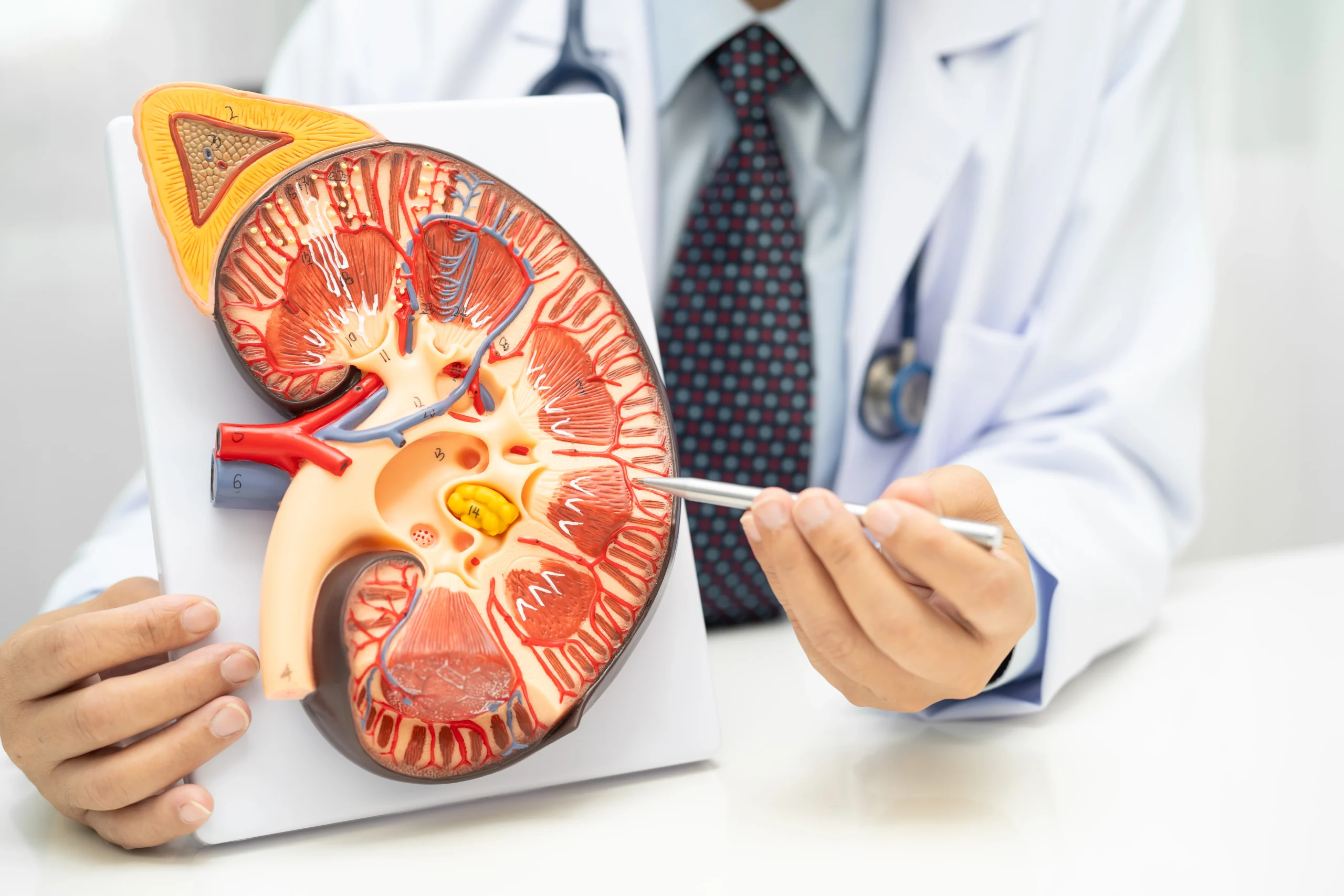
The kidneys are two vital organs that help remove waste and excess fluid from the blood. They also help maintain the body’s fluid and electrolyte balance, regulate blood pressure and support the production of red blood cells. When the kidneys become severely damaged and can no longer perform these functions adequately, kidney failure can occur.
Understanding what causes kidney failure is important because many kidney problems develop gradually and may not cause noticeable symptoms in the early stages. Identifying risk factors and managing conditions that can damage the kidneys may help slow or prevent the progression of kidney disease in many people.
Kidney failure can develop suddenly, known as acute kidney injury (AKI), or gradually over a longer period as a result of chronic kidney disease (CKD).
What Is Kidney Failure?
Kidney failure occurs when the kidneys lose most of their ability to function properly. Healthy kidneys filter waste products and excess fluid from the blood and remove them through urine.
When kidney function declines significantly, waste products and fluid can accumulate in the body. Changes in potassium, sodium and other electrolytes may also occur.
Kidney failure can be caused by a number of conditions, and the underlying cause can influence how quickly kidney function declines and what treatment is required.
What Causes Kidney Failure?
There is no single cause of kidney failure. Several diseases and medical conditions can damage the kidneys over time, while others can cause sudden kidney injury.
Some of the most common causes include diabetes, high blood pressure, kidney diseases, urinary tract obstruction, severe infections and certain medications or toxins.
Let’s look at these causes in more detail.
1. Diabetes
Diabetes is one of the leading causes of chronic kidney disease and kidney failure.
Persistently high blood glucose levels can damage the small blood vessels and filtering structures inside the kidneys. This condition is known as diabetic kidney disease or diabetic nephropathy.
Kidney damage related to diabetes can develop gradually. In its early stages, a person may have few or no symptoms. Regular blood and urine testing can help detect kidney problems earlier in people with diabetes.
Managing blood sugar levels, blood pressure and other cardiovascular risk factors can help reduce the risk of kidney damage.
2. High Blood Pressure
High blood pressure, or hypertension, is another major cause of chronic kidney disease.
The kidneys contain numerous small blood vessels that are involved in filtering blood. Persistently elevated blood pressure can damage these vessels and reduce kidney function over time.
Kidney disease and high blood pressure can also worsen each other. As kidney function declines, the body may retain more salt and fluid, potentially contributing to higher blood pressure.
Regular blood pressure monitoring and appropriate treatment are therefore important for protecting kidney health.
3. Chronic Kidney Diseases
Several diseases can directly damage the kidneys and gradually lead to kidney failure.
These include:
- Glomerulonephritis
- Polycystic kidney disease
- Recurrent kidney inflammation
- Certain inherited kidney disorders
- Autoimmune diseases affecting the kidneys
- Long-standing kidney infections
Some of these conditions affect the kidney’s filtering units, while others can cause structural damage to kidney tissue.
4. Acute Kidney Injury
Not all kidney failure develops gradually. Acute kidney injury (AKI) occurs when kidney function decreases suddenly over a short period.
Possible causes include:
- Severe dehydration
- Significant blood loss
- Very low blood pressure
- Severe infections
- Certain medications
- Kidney injury
- Urinary tract blockage
- Severe illness requiring hospitalisation
AKI can sometimes be reversible when the underlying cause is identified and treated promptly. However, severe or repeated episodes of acute kidney injury can increase the risk of long-term kidney problems.
5. Urinary Tract Obstruction
A blockage that prevents urine from leaving the body can cause pressure to build up in the urinary system and potentially damage the kidneys.
Possible causes of urinary obstruction include:
- Kidney stones
- Enlarged prostate
- Tumours
- Narrowing of the urinary tract
- Blood clots
- Certain structural abnormalities
The treatment depends on the location and cause of the obstruction. Removing the blockage promptly can help protect kidney function.
6. Kidney Stones
Kidney stones are hard deposits that form in the urinary tract. Small stones may pass without causing lasting damage, but larger stones can block urine flow.
Repeated or untreated urinary obstruction caused by stones can potentially damage the kidneys.
People with recurrent kidney stones may require evaluation to identify why the stones are forming and how future episodes can be prevented.
7. Severe Infections
Certain severe infections can cause kidney injury, particularly when they lead to low blood pressure, widespread inflammation or sepsis.
A serious infection can affect blood flow to the kidneys and interfere with their ability to filter waste effectively.
Prompt treatment of severe infections is therefore important, especially in people who already have kidney disease or other health conditions.
8. Certain Medicines and Toxins
Some medications can affect kidney function, particularly when used in high doses, for long periods or in people who already have reduced kidney function.
Examples may include certain pain medicines and some medicines used to treat infections or other medical conditions.
This does not mean that prescribed medicines should be stopped without medical advice. If you have kidney disease or other risk factors, your doctor may adjust medication doses or choose alternatives when necessary.
Exposure to certain toxic substances can also cause kidney injury.
9. Autoimmune Diseases
Some autoimmune diseases can affect the kidneys.
For example, lupus can cause inflammation and damage in the kidneys, a condition known as lupus nephritis.
Other immune-mediated conditions can also affect the kidney’s filtering structures.
Treatment usually focuses on controlling the underlying autoimmune disease and protecting kidney function.
10. Inherited Kidney Conditions
Some kidney diseases are caused by genetic changes that can be passed through families.
One example is polycystic kidney disease (PKD), an inherited condition in which multiple cysts develop in the kidneys.
These cysts can enlarge over time and interfere with normal kidney function. People with a strong family history of certain kidney diseases may benefit from discussing their risk with a healthcare professional.
Risk Factors for Kidney Failure
Having certain medical conditions or lifestyle factors can increase the risk of developing kidney disease and eventually kidney failure.
Important risk factors include:
- Diabetes
- High blood pressure
- Heart disease
- Family history of kidney disease
- Older age
- Obesity
- Smoking
- Previous acute kidney injury
- Recurrent kidney stones
- Certain autoimmune diseases
- Long-term exposure to medicines or substances that can damage the kidneys
Having a risk factor does not mean that kidney failure will definitely occur. Appropriate medical care and regular monitoring can help identify kidney problems early.
What Are the Symptoms of Kidney Failure?
Early kidney disease may cause few or no noticeable symptoms. As kidney function becomes significantly reduced, symptoms may become more apparent.
Possible symptoms include:
- Swelling in the feet, ankles or legs
- Reduced urine output
- Changes in urination
- Persistent tiredness
- Nausea or vomiting
- Loss of appetite
- Difficulty concentrating
- Muscle cramps
- Itching
- Shortness of breath
- Sleep problems
- Changes in body weight due to fluid retention
These symptoms can also occur with many other medical conditions. They should not be used to diagnose kidney failure on their own.
How Is Kidney Failure Diagnosed?
Doctors use blood tests, urine tests and other investigations to assess kidney function.
Common tests include:
Blood Tests
A blood test can measure creatinine, a waste product that is normally removed by the kidneys. Creatinine levels can be used to estimate the glomerular filtration rate (eGFR), which helps assess kidney function.
Urine Tests
Urine tests can identify:
- Protein in the urine
- Blood in the urine
- Signs of infection
- Other abnormalities
Protein in the urine can be an important indicator of kidney damage.
Imaging Tests
Depending on the suspected cause, doctors may recommend:
- Ultrasound
- CT scan
- MRI
- Other specialised imaging tests
These can help identify kidney stones, obstruction, structural abnormalities or other problems.
Can Kidney Failure Be Prevented?
Not every case of kidney failure can be prevented. However, managing common causes of kidney disease can significantly support kidney health.
Important preventive measures include:
Control Blood Sugar
People with diabetes should follow their treatment plan and monitor their blood glucose as recommended by their healthcare provider.
Manage Blood Pressure
Keeping blood pressure within the recommended range can help reduce damage to the kidneys.
Stay Hydrated
Adequate fluid intake supports normal kidney function. However, people with advanced kidney disease may receive specific fluid restrictions from their doctor.
Avoid Unnecessary Medicines
Do not regularly take painkillers or other medicines without appropriate medical advice, particularly if you have kidney disease or other risk factors.
Maintain a Healthy Weight
A balanced diet and regular physical activity can support overall cardiovascular and kidney health.
Avoid Smoking
Smoking can damage blood vessels and increase the risk of cardiovascular and kidney-related complications.
Get Regular Check-ups
People with diabetes, hypertension, cardiovascular disease or a family history of kidney disease may benefit from regular kidney function monitoring.
When Should You See a Doctor?
You should consult a doctor if you experience persistent changes in urination, swelling, unexplained fatigue, blood in the urine or other concerning symptoms.
Medical evaluation is particularly important if you already have diabetes, high blood pressure, heart disease or a known kidney condition.
Sudden reduction in urine output, severe swelling, significant breathing difficulty, confusion or other severe symptoms require prompt medical assessment.
Frequently Asked Questions About What Causes Kidney Failure
What is the most common cause of kidney failure?
Diabetes and high blood pressure are among the leading causes of chronic kidney disease and kidney failure. Other causes include kidney diseases, urinary obstruction, inherited conditions and certain medications or toxins.
Can high blood pressure cause kidney failure?
Yes. Long-term uncontrolled high blood pressure can damage the blood vessels and filtering structures of the kidneys, potentially leading to chronic kidney disease and kidney failure.
Can diabetes cause kidney failure?
Yes. Persistently high blood glucose can damage the kidneys over time. Regular monitoring and appropriate management of diabetes can help reduce the risk of diabetic kidney disease.
Can kidney failure happen suddenly?
Yes. Acute kidney injury can cause a sudden decline in kidney function. Severe dehydration, blood loss, infections, low blood pressure, certain medications and urinary obstruction are among the possible causes.
Can kidney failure be reversed?
It depends on the cause. Some cases of acute kidney injury can improve when the underlying problem is treated promptly. Advanced chronic kidney disease is generally not reversible, although treatment can help slow further loss of kidney function.
What tests check kidney function?
Blood creatinine and eGFR are commonly used to assess kidney function. Urine tests can detect protein and other abnormalities. Additional blood tests and imaging may be recommended depending on the suspected cause.
Conclusion
Understanding what causes kidney failure can help people recognise important risk factors and take steps to protect their kidney health. Diabetes and high blood pressure are major causes of chronic kidney disease, while infections, dehydration, urinary obstruction, certain medications, autoimmune diseases and inherited conditions can also affect kidney function.
Kidney disease can develop silently, especially in its early stages. Regular monitoring is particularly important for people with diabetes, high blood pressure, cardiovascular disease or a family history of kidney disease.
If you notice persistent changes in urination, swelling, unexplained fatigue or other concerning symptoms, consult a qualified healthcare professional. Early evaluation can help identify kidney problems and determine appropriate treatment.
Aayush Hospital provides medical evaluation and treatment for a range of kidney and other health conditions. If you have symptoms or risk factors associated with kidney disease, consult a healthcare professional for appropriate testing and personalised medical guidance.
Disclaimer: This article is intended for general health education and does not constitute medical advice, diagnosis or treatment. Kidney failure can have different causes and may require individualised evaluation. Always consult a qualified healthcare professional for an accurate diagnosis and appropriate treatment.
Contact Details: