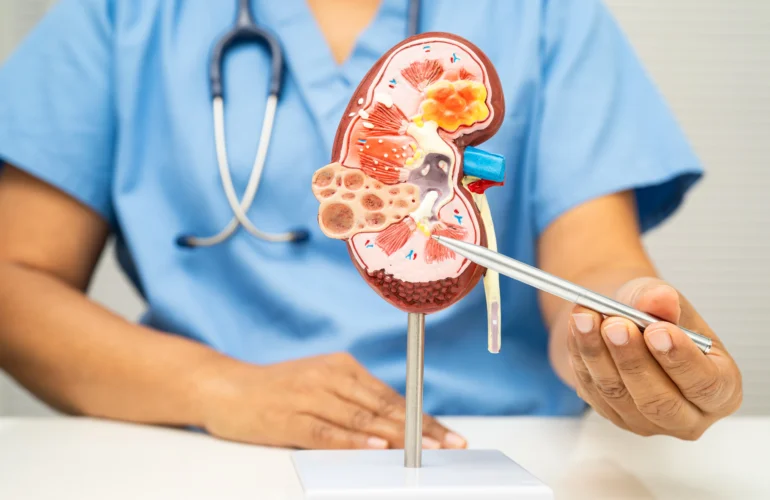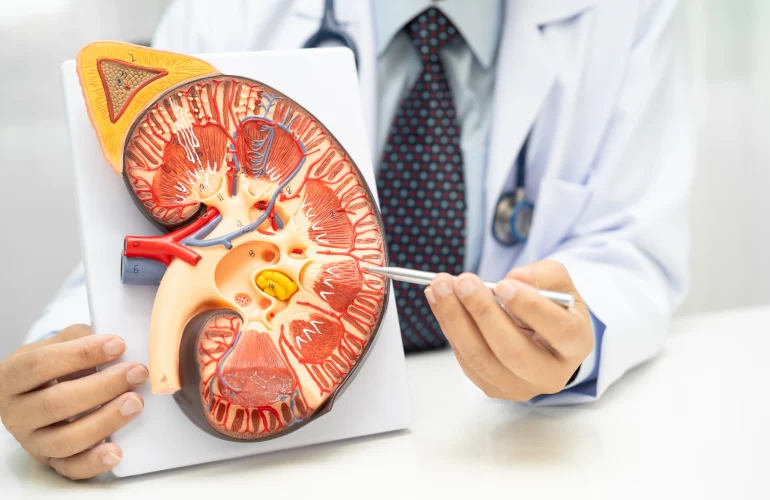

Kidney stones are hard, crystal-like deposits that form inside the kidneys when certain minerals and salts become concentrated in the urine. They can affect anyone, but kidney stone symptoms in women may sometimes be confused with urinary tract infections, menstrual cramps, pelvic pain, or other urinary and reproductive health conditions.
Recognising the symptoms early can help women seek appropriate medical evaluation and treatment. While small kidney stones may pass without causing significant problems, larger stones can block urine flow and cause severe pain or complications.
This guide explains the common kidney stone symptoms in women, possible causes and risk factors, how kidney stones are diagnosed, available treatment options, and when medical attention is necessary.
What Are Kidney Stones?
Kidney stones are solid deposits made from minerals and salts that develop inside the kidneys. They can remain in the kidney or travel through the urinary tract, including the ureter, bladder, and urethra.
The size of a kidney stone can vary considerably. Some are as small as grains of sand, while larger stones can obstruct the urinary tract.
Common types include:
- Calcium stones: The most common type of kidney stone.
- Uric acid stones: More likely to develop when urine is highly acidic.
- Struvite stones: Often associated with certain urinary tract infections.
- Cystine stones: Rare stones associated with an inherited condition called cystinuria.
Kidney Stone Symptoms in Women
The symptoms of kidney stones can vary depending on the size and location of the stone and whether it is blocking urine flow.
1. Severe Pain in the Side or Back
One of the most characteristic kidney stone symptoms in women is sudden, intense pain in the side or back.
The pain may:
- Start suddenly
- Occur below the ribs
- Spread toward the lower abdomen or groin
- Come in waves
- Change in intensity over time
This pain is often called renal colic and may become particularly intense when the stone moves through the ureter.
2. Lower Abdominal or Groin Pain
As a kidney stone moves down the urinary tract, pain may shift from the back or side toward the lower abdomen, pelvis, or groin.
In women, this can sometimes be mistaken for:
- Menstrual cramps
- Ovulation pain
- Pelvic pain
- Urinary tract infection
- Other gynaecological conditions
Persistent or severe pain should be evaluated by a healthcare professional rather than being assumed to be menstrual or pelvic discomfort.
3. Pain or Burning During Urination
A kidney stone near the bladder or ureter can cause discomfort while urinating.
You may experience:
- Burning or stinging
- Pain while passing urine
- A frequent urge to urinate
- Difficulty passing urine
These symptoms can resemble those of a urinary tract infection, which is why proper diagnosis is important.
4. Frequent Urination
Another possible symptom is an increased urge to urinate.
You may feel that you need to urinate frequently, even when only a small amount of urine is produced. This can occur when a stone moves closer to the bladder.
5. Blood in the Urine
Kidney stones can irritate the lining of the urinary tract, resulting in blood in the urine.
Blood may appear:
- Pink
- Red
- Brown
- Tea-coloured
Sometimes the amount of blood is too small to be visible and is detected only through a urine test.
6. Nausea and Vomiting
Severe pain caused by a kidney stone can trigger nausea or vomiting. These symptoms may occur along with intense back, side, abdominal, or groin pain.
Vomiting can also make it difficult to maintain adequate fluid intake, increasing the risk of dehydration.
7. Cloudy or Foul-Smelling Urine
Changes in urine appearance or smell may occur with kidney stones, particularly if a urinary tract infection is also present.
Cloudy or foul-smelling urine accompanied by fever, chills, or severe pain requires prompt medical assessment.
8. Difficulty Passing Urine
A larger stone can obstruct the urinary tract and interfere with normal urine flow.
Difficulty urinating or passing very little urine should not be ignored, particularly when accompanied by severe pain.
Common Kidney Stone Symptoms in Women at a Glance
| Symptom | What It May Feel Like |
| Side or back pain | Severe, sharp or wave-like pain |
| Lower abdominal pain | Pain that may move downward |
| Groin pain | Discomfort as the stone travels |
| Painful urination | Burning or stinging sensation |
| Frequent urination | Frequent urge with small amounts |
| Blood in urine | Pink, red, brown or tea-coloured urine |
| Nausea | Feeling sick, often with severe pain |
| Vomiting | May occur during severe attacks |
| Cloudy urine | Urine appears less clear than usual |
| Difficulty urinating | Reduced or interrupted urine flow |
What Causes Kidney Stones in Women?
Kidney stones develop when substances that can form crystals become concentrated in the urine.
Several factors can increase the risk, including:
Dehydration
Not drinking enough fluids can make urine more concentrated, allowing minerals to crystallise more easily.
Women who regularly drink insufficient water, particularly in hot weather or during strenuous activity, may have an increased risk.
Dietary Factors
Certain dietary patterns may contribute to kidney stone formation. Depending on the type of stone, factors may include high intake of sodium, excessive amounts of certain animal proteins, or inadequate dietary calcium.
A balanced diet and appropriate fluid intake can help reduce risk.
Family History
A family history of kidney stones can increase a person’s likelihood of developing them.
Previous Kidney Stones
People who have had kidney stones before may be more likely to develop them again.
Certain Medical Conditions
Some medical conditions can affect the concentration of minerals and other substances in urine, increasing the risk of stone formation.
Urinary Tract Infections
Certain urinary infections can contribute to the development of specific types of kidney stones.
Are Kidney Stone Symptoms in Women Different From Men?
The basic symptoms of kidney stones are generally similar in women and men. However, women may find it more difficult to identify the cause of pain because some kidney stone symptoms can overlap with symptoms of other conditions.
For example, lower abdominal or pelvic discomfort may be confused with:
- Period-related cramps
- Urinary tract infections
- Ovarian conditions
- Pelvic disorders
- Gastrointestinal problems
This is why persistent, severe, unusual, or recurring pain should be evaluated rather than self-diagnosed.
Kidney Stones vs UTI: How Are They Different?
Kidney stones and urinary tract infections can cause similar urinary symptoms, but there are important differences.
| Feature | Kidney Stones | UTI |
| Side/back pain | Common, especially with obstruction | May occur if infection involves the kidney |
| Painful urination | Possible | Common |
| Blood in urine | Possible | Possible |
| Frequent urination | Possible | Common |
| Severe wave-like pain | More characteristic of stones | Less typical |
| Fever/chills | May occur if infection is present | Common with significant infection |
| Nausea/vomiting | Possible with severe pain | May occur with kidney infection |
Because symptoms can overlap, urine tests and imaging may be required to determine the cause.
How Are Kidney Stones Diagnosed?
If kidney stones are suspected, a healthcare professional may recommend one or more tests.
Medical History and Physical Examination
The doctor may ask about:
- Location and severity of pain
- Urinary symptoms
- Previous kidney stones
- Fluid intake
- Medical history
- Family history
- Medications
Urine Tests
A urine examination can help identify blood, signs of infection, crystals, and other abnormalities.
Blood Tests
Blood tests may be used to evaluate kidney function and measure certain substances that can be associated with stone formation.
Imaging Tests
Imaging can help identify the size and location of a kidney stone. Depending on the situation, a doctor may recommend an ultrasound, X-ray, or CT scan.
Treatment for Kidney Stones
Treatment depends on factors such as the stone’s size, location, symptoms, and whether it is causing obstruction or infection.
Observation and Fluids
Small stones may sometimes pass naturally through the urinary tract. A doctor may recommend adequate fluid intake and monitoring when appropriate.
Medication
Depending on the individual situation, medicines may be prescribed to manage pain, nausea, or help facilitate stone passage.
Shock Wave Lithotripsy
Shock wave lithotripsy uses focused shock waves to break certain kidney stones into smaller pieces that can pass through the urinary tract.
Ureteroscopy
During ureteroscopy, a thin instrument is guided through the urinary tract to locate and treat the stone. The stone may be removed or broken into smaller fragments.
Surgical Treatment
Larger, complicated, or difficult-to-treat stones may require a surgical procedure. The appropriate approach depends on the stone’s size, location, and the patient’s overall health.
When Should Women Seek Medical Help?
Some kidney stones can pass without major complications, but certain symptoms require prompt medical attention.
Seek urgent medical evaluation if you experience:
- Severe or worsening pain
- Fever or chills with urinary symptoms
- Repeated vomiting
- Difficulty passing urine
- Very little or no urine
- Blood in the urine
- Severe weakness or dehydration
- Symptoms that suddenly become worse
A kidney stone causing urinary obstruction along with an infection can become a serious medical problem and requires prompt treatment.
How Can Kidney Stones Be Prevented?
Not all kidney stones can be prevented, but several lifestyle measures may reduce the risk.
Drink Enough Fluids
Adequate hydration helps dilute substances in the urine that can form crystals. Water is generally the preferred fluid.
Reduce Excess Sodium
A high-sodium diet can increase the amount of calcium excreted in urine, potentially contributing to certain kidney stones.
Maintain a Balanced Diet
A balanced diet with appropriate portions of fruits, vegetables, whole grains, and other nutritious foods can support overall urinary and kidney health.
Follow Individual Dietary Advice
People who have previously developed kidney stones may benefit from dietary recommendations based on the specific type of stone they formed.
Frequently Asked Questions About Kidney Stone Symptoms in Women
What is the most common kidney stone symptom in women?
Severe pain in the side or back is one of the most characteristic symptoms. The pain may move toward the lower abdomen or groin as the stone travels through the urinary tract.
Can kidney stones cause pain in the lower abdomen?
Yes. As a kidney stone moves through the ureter, pain may shift toward the lower abdomen, pelvis, or groin.
Can kidney stones cause burning while urinating?
Yes. A stone, particularly one located closer to the bladder, may cause painful or burning urination. Similar symptoms can also occur with a UTI.
Can kidney stones cause blood in urine?
Yes. Kidney stones can irritate the urinary tract and cause blood in the urine. Blood may be visible or detected only through testing.
Can kidney stones be confused with period pain?
Yes. Lower abdominal or pelvic discomfort caused by a kidney stone may sometimes be mistaken for menstrual cramps. Severe, unusual, or persistent pain should be medically evaluated.
How long does kidney stone pain last?
The duration varies depending on the size and location of the stone and whether it is moving through the urinary tract. Persistent or severe pain should be assessed by a healthcare professional.
Can kidney stones go away on their own?
Some small kidney stones can pass naturally. However, larger stones or stones causing obstruction, significant symptoms, or infection may require medical treatment.
When is a kidney stone an emergency?
A kidney stone accompanied by fever or chills, severe worsening pain, persistent vomiting, difficulty passing urine, or very little urine requires urgent medical evaluation.
Conclusion
Understanding kidney stone symptoms in women can help women recognise when urinary or abdominal symptoms may require medical attention. Severe side or back pain, lower abdominal or groin pain, painful urination, frequent urination, blood in the urine, nausea, and vomiting can all occur with kidney stones.
Because these symptoms can overlap with UTIs and other conditions, accurate diagnosis is important. Medical evaluation can determine whether a stone is present, where it is located, how large it is, and whether treatment is necessary.
If you experience severe or persistent symptoms, particularly pain accompanied by fever, vomiting, or difficulty passing urine, consult a qualified healthcare professional promptly.
Contact Details: