
Nephrology

What Causes Kidney Failure? Causes, Risk Factors, Symptoms and Prevention

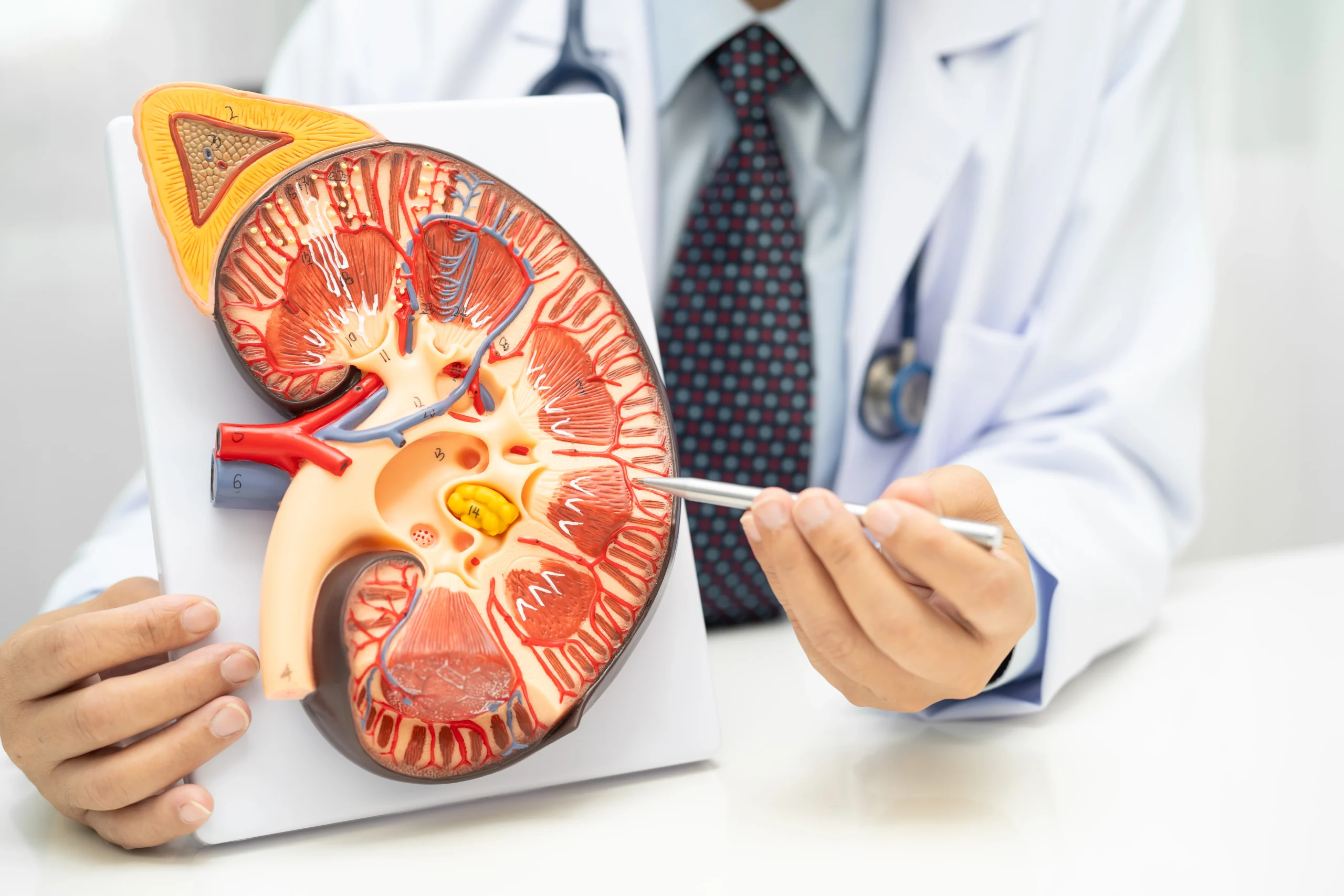
The kidneys are two vital organs that help remove waste and excess fluid from the blood. They also help maintain the body’s fluid and electrolyte balance, regulate blood pressure and support the production of red blood cells. When the kidneys become severely damaged and can no longer perform these functions adequately, kidney failure can occur.

Understanding what causes kidney failure is important because many kidney problems develop gradually and may not cause noticeable symptoms in the early stages. Identifying risk factors and managing conditions that can damage the kidneys may help slow or prevent the progression of kidney disease in many people.

Kidney failure can develop suddenly, known as acute kidney injury (AKI), or gradually over a longer period as a result of chronic kidney disease (CKD).

What Is Kidney Failure?

Kidney failure occurs when the kidneys lose most of their ability to function properly. Healthy kidneys filter waste products and excess fluid from the blood and remove them through urine.

When kidney function declines significantly, waste products and fluid can accumulate in the body. Changes in potassium, sodium and other electrolytes may also occur.

Kidney failure can be caused by a number of conditions, and the underlying cause can influence how quickly kidney function declines and what treatment is required.

What Causes Kidney Failure?

There is no single cause of kidney failure. Several diseases and medical conditions can damage the kidneys over time, while others can cause sudden kidney injury.

Some of the most common causes include diabetes, high blood pressure, kidney diseases, urinary tract obstruction, severe infections and certain medications or toxins.

Let’s look at these causes in more detail.

1. Diabetes

Diabetes is one of the leading causes of chronic kidney disease and kidney failure.

Persistently high blood glucose levels can damage the small blood vessels and filtering structures inside the kidneys. This condition is known as diabetic kidney disease or diabetic nephropathy.

Kidney damage related to diabetes can develop gradually. In its early stages, a person may have few or no symptoms. Regular blood and urine testing can help detect kidney problems earlier in people with diabetes.

Managing blood sugar levels, blood pressure and other cardiovascular risk factors can help reduce the risk of kidney damage.

2. High Blood Pressure

High blood pressure, or hypertension, is another major cause of chronic kidney disease.

The kidneys contain numerous small blood vessels that are involved in filtering blood. Persistently elevated blood pressure can damage these vessels and reduce kidney function over time.

Kidney disease and high blood pressure can also worsen each other. As kidney function declines, the body may retain more salt and fluid, potentially contributing to higher blood pressure.

Regular blood pressure monitoring and appropriate treatment are therefore important for protecting kidney health.

3. Chronic Kidney Diseases

Several diseases can directly damage the kidneys and gradually lead to kidney failure.

These include:

  • Glomerulonephritis
  • Polycystic kidney disease
  • Recurrent kidney inflammation
  • Certain inherited kidney disorders
  • Autoimmune diseases affecting the kidneys
  • Long-standing kidney infections

Some of these conditions affect the kidney’s filtering units, while others can cause structural damage to kidney tissue.

4. Acute Kidney Injury

Not all kidney failure develops gradually. Acute kidney injury (AKI) occurs when kidney function decreases suddenly over a short period.

Possible causes include:

  • Severe dehydration
  • Significant blood loss
  • Very low blood pressure
  • Severe infections
  • Certain medications
  • Kidney injury
  • Urinary tract blockage
  • Severe illness requiring hospitalisation

AKI can sometimes be reversible when the underlying cause is identified and treated promptly. However, severe or repeated episodes of acute kidney injury can increase the risk of long-term kidney problems.

5. Urinary Tract Obstruction

A blockage that prevents urine from leaving the body can cause pressure to build up in the urinary system and potentially damage the kidneys.

Possible causes of urinary obstruction include:

  • Kidney stones
  • Enlarged prostate
  • Tumours
  • Narrowing of the urinary tract
  • Blood clots
  • Certain structural abnormalities

The treatment depends on the location and cause of the obstruction. Removing the blockage promptly can help protect kidney function.

6. Kidney Stones

Kidney stones are hard deposits that form in the urinary tract. Small stones may pass without causing lasting damage, but larger stones can block urine flow.

Repeated or untreated urinary obstruction caused by stones can potentially damage the kidneys.

People with recurrent kidney stones may require evaluation to identify why the stones are forming and how future episodes can be prevented.

7. Severe Infections

Certain severe infections can cause kidney injury, particularly when they lead to low blood pressure, widespread inflammation or sepsis.

A serious infection can affect blood flow to the kidneys and interfere with their ability to filter waste effectively.

Prompt treatment of severe infections is therefore important, especially in people who already have kidney disease or other health conditions.

8. Certain Medicines and Toxins

Some medications can affect kidney function, particularly when used in high doses, for long periods or in people who already have reduced kidney function.

Examples may include certain pain medicines and some medicines used to treat infections or other medical conditions.

This does not mean that prescribed medicines should be stopped without medical advice. If you have kidney disease or other risk factors, your doctor may adjust medication doses or choose alternatives when necessary.

Exposure to certain toxic substances can also cause kidney injury.

9. Autoimmune Diseases

Some autoimmune diseases can affect the kidneys.

For example, lupus can cause inflammation and damage in the kidneys, a condition known as lupus nephritis.

Other immune-mediated conditions can also affect the kidney’s filtering structures.

Treatment usually focuses on controlling the underlying autoimmune disease and protecting kidney function.

10. Inherited Kidney Conditions

Some kidney diseases are caused by genetic changes that can be passed through families.

One example is polycystic kidney disease (PKD), an inherited condition in which multiple cysts develop in the kidneys.

These cysts can enlarge over time and interfere with normal kidney function. People with a strong family history of certain kidney diseases may benefit from discussing their risk with a healthcare professional.

Risk Factors for Kidney Failure

Having certain medical conditions or lifestyle factors can increase the risk of developing kidney disease and eventually kidney failure.

Important risk factors include:

  • Diabetes
  • High blood pressure
  • Heart disease
  • Family history of kidney disease
  • Older age
  • Obesity
  • Smoking
  • Previous acute kidney injury
  • Recurrent kidney stones
  • Certain autoimmune diseases
  • Long-term exposure to medicines or substances that can damage the kidneys

Having a risk factor does not mean that kidney failure will definitely occur. Appropriate medical care and regular monitoring can help identify kidney problems early.

What Are the Symptoms of Kidney Failure?

Early kidney disease may cause few or no noticeable symptoms. As kidney function becomes significantly reduced, symptoms may become more apparent.

Possible symptoms include:

  • Swelling in the feet, ankles or legs
  • Reduced urine output
  • Changes in urination
  • Persistent tiredness
  • Nausea or vomiting
  • Loss of appetite
  • Difficulty concentrating
  • Muscle cramps
  • Itching
  • Shortness of breath
  • Sleep problems
  • Changes in body weight due to fluid retention

These symptoms can also occur with many other medical conditions. They should not be used to diagnose kidney failure on their own.

How Is Kidney Failure Diagnosed?

Doctors use blood tests, urine tests and other investigations to assess kidney function.

Common tests include:

Blood Tests

A blood test can measure creatinine, a waste product that is normally removed by the kidneys. Creatinine levels can be used to estimate the glomerular filtration rate (eGFR), which helps assess kidney function.

Urine Tests

Urine tests can identify:

  • Protein in the urine
  • Blood in the urine
  • Signs of infection
  • Other abnormalities

Protein in the urine can be an important indicator of kidney damage.

Imaging Tests

Depending on the suspected cause, doctors may recommend:

  • Ultrasound
  • CT scan
  • MRI
  • Other specialised imaging tests

These can help identify kidney stones, obstruction, structural abnormalities or other problems.

Can Kidney Failure Be Prevented?

Not every case of kidney failure can be prevented. However, managing common causes of kidney disease can significantly support kidney health.

Important preventive measures include:

Control Blood Sugar

People with diabetes should follow their treatment plan and monitor their blood glucose as recommended by their healthcare provider.

Manage Blood Pressure

Keeping blood pressure within the recommended range can help reduce damage to the kidneys.

Stay Hydrated

Adequate fluid intake supports normal kidney function. However, people with advanced kidney disease may receive specific fluid restrictions from their doctor.

Avoid Unnecessary Medicines

Do not regularly take painkillers or other medicines without appropriate medical advice, particularly if you have kidney disease or other risk factors.

Maintain a Healthy Weight

A balanced diet and regular physical activity can support overall cardiovascular and kidney health.

Avoid Smoking

Smoking can damage blood vessels and increase the risk of cardiovascular and kidney-related complications.

Get Regular Check-ups

People with diabetes, hypertension, cardiovascular disease or a family history of kidney disease may benefit from regular kidney function monitoring.

When Should You See a Doctor?

You should consult a doctor if you experience persistent changes in urination, swelling, unexplained fatigue, blood in the urine or other concerning symptoms.

Medical evaluation is particularly important if you already have diabetes, high blood pressure, heart disease or a known kidney condition.

Sudden reduction in urine output, severe swelling, significant breathing difficulty, confusion or other severe symptoms require prompt medical assessment.

Frequently Asked Questions About What Causes Kidney Failure

What is the most common cause of kidney failure?

Diabetes and high blood pressure are among the leading causes of chronic kidney disease and kidney failure. Other causes include kidney diseases, urinary obstruction, inherited conditions and certain medications or toxins.

Can high blood pressure cause kidney failure?

Yes. Long-term uncontrolled high blood pressure can damage the blood vessels and filtering structures of the kidneys, potentially leading to chronic kidney disease and kidney failure.

Can diabetes cause kidney failure?

Yes. Persistently high blood glucose can damage the kidneys over time. Regular monitoring and appropriate management of diabetes can help reduce the risk of diabetic kidney disease.

Can kidney failure happen suddenly?

Yes. Acute kidney injury can cause a sudden decline in kidney function. Severe dehydration, blood loss, infections, low blood pressure, certain medications and urinary obstruction are among the possible causes.

Can kidney failure be reversed?

It depends on the cause. Some cases of acute kidney injury can improve when the underlying problem is treated promptly. Advanced chronic kidney disease is generally not reversible, although treatment can help slow further loss of kidney function.

What tests check kidney function?

Blood creatinine and eGFR are commonly used to assess kidney function. Urine tests can detect protein and other abnormalities. Additional blood tests and imaging may be recommended depending on the suspected cause.

Conclusion

Understanding what causes kidney failure can help people recognise important risk factors and take steps to protect their kidney health. Diabetes and high blood pressure are major causes of chronic kidney disease, while infections, dehydration, urinary obstruction, certain medications, autoimmune diseases and inherited conditions can also affect kidney function.

Kidney disease can develop silently, especially in its early stages. Regular monitoring is particularly important for people with diabetes, high blood pressure, cardiovascular disease or a family history of kidney disease.

If you notice persistent changes in urination, swelling, unexplained fatigue or other concerning symptoms, consult a qualified healthcare professional. Early evaluation can help identify kidney problems and determine appropriate treatment.

Aayush Hospital provides medical evaluation and treatment for a range of kidney and other health conditions. If you have symptoms or risk factors associated with kidney disease, consult a healthcare professional for appropriate testing and personalised medical guidance.

Disclaimer: This article is intended for general health education and does not constitute medical advice, diagnosis or treatment. Kidney failure can have different causes and may require individualised evaluation. Always consult a qualified healthcare professional for an accurate diagnosis and appropriate treatment.

Contact Details:

Aayush Hospital

Aayush Multispeciality Hospital in Kalyan, Maharashtra

Address: 744Q+H7Q Shopping Complex, Building No. E2, 2nd & 3rd Floor, Radha Nagar, Khadakpada, Kalyan, Maharashtra 421301

Phone: 099670 08900

Website: aayush-hospitals.com


Nephrology

Kidney Stone Symptoms in Women: Signs, Causes, Diagnosis and Treatment

Kidney stones are hard, crystal-like deposits that form inside the kidneys when certain minerals and salts become concentrated in the urine. They can affect anyone, but kidney stone symptoms in women may sometimes be confused with urinary tract infections, menstrual cramps, pelvic pain, or other urinary and reproductive health conditions.

Recognising the symptoms early can help women seek appropriate medical evaluation and treatment. While small kidney stones may pass without causing significant problems, larger stones can block urine flow and cause severe pain or complications.

This guide explains the common kidney stone symptoms in women, possible causes and risk factors, how kidney stones are diagnosed, available treatment options, and when medical attention is necessary.

What Are Kidney Stones?

Kidney stones are solid deposits made from minerals and salts that develop inside the kidneys. They can remain in the kidney or travel through the urinary tract, including the ureter, bladder, and urethra.

The size of a kidney stone can vary considerably. Some are as small as grains of sand, while larger stones can obstruct the urinary tract.

Common types include:

  • Calcium stones: The most common type of kidney stone.
  • Uric acid stones: More likely to develop when urine is highly acidic.
  • Struvite stones: Often associated with certain urinary tract infections.
  • Cystine stones: Rare stones associated with an inherited condition called cystinuria.

Kidney Stone Symptoms in Women

The symptoms of kidney stones can vary depending on the size and location of the stone and whether it is blocking urine flow.

1. Severe Pain in the Side or Back

One of the most characteristic kidney stone symptoms in women is sudden, intense pain in the side or back.

The pain may:

  • Start suddenly
  • Occur below the ribs
  • Spread toward the lower abdomen or groin
  • Come in waves
  • Change in intensity over time

This pain is often called renal colic and may become particularly intense when the stone moves through the ureter.

2. Lower Abdominal or Groin Pain

As a kidney stone moves down the urinary tract, pain may shift from the back or side toward the lower abdomen, pelvis, or groin.

In women, this can sometimes be mistaken for:

  • Menstrual cramps
  • Ovulation pain
  • Pelvic pain
  • Urinary tract infection
  • Other gynaecological conditions

Persistent or severe pain should be evaluated by a healthcare professional rather than being assumed to be menstrual or pelvic discomfort.

3. Pain or Burning During Urination

A kidney stone near the bladder or ureter can cause discomfort while urinating.

You may experience:

  • Burning or stinging
  • Pain while passing urine
  • A frequent urge to urinate
  • Difficulty passing urine

These symptoms can resemble those of a urinary tract infection, which is why proper diagnosis is important.

4. Frequent Urination

Another possible symptom is an increased urge to urinate.

You may feel that you need to urinate frequently, even when only a small amount of urine is produced. This can occur when a stone moves closer to the bladder.

5. Blood in the Urine

Kidney stones can irritate the lining of the urinary tract, resulting in blood in the urine.

Blood may appear:

  • Pink
  • Red
  • Brown
  • Tea-coloured

Sometimes the amount of blood is too small to be visible and is detected only through a urine test.

6. Nausea and Vomiting

Severe pain caused by a kidney stone can trigger nausea or vomiting. These symptoms may occur along with intense back, side, abdominal, or groin pain.

Vomiting can also make it difficult to maintain adequate fluid intake, increasing the risk of dehydration.

7. Cloudy or Foul-Smelling Urine

Changes in urine appearance or smell may occur with kidney stones, particularly if a urinary tract infection is also present.

Cloudy or foul-smelling urine accompanied by fever, chills, or severe pain requires prompt medical assessment.

8. Difficulty Passing Urine

A larger stone can obstruct the urinary tract and interfere with normal urine flow.

Difficulty urinating or passing very little urine should not be ignored, particularly when accompanied by severe pain.

Common Kidney Stone Symptoms in Women at a Glance

Symptom What It May Feel Like
Side or back pain Severe, sharp or wave-like pain
Lower abdominal pain Pain that may move downward
Groin pain Discomfort as the stone travels
Painful urination Burning or stinging sensation
Frequent urination Frequent urge with small amounts
Blood in urine Pink, red, brown or tea-coloured urine
Nausea Feeling sick, often with severe pain
Vomiting May occur during severe attacks
Cloudy urine Urine appears less clear than usual
Difficulty urinating Reduced or interrupted urine flow

What Causes Kidney Stones in Women?

Kidney stones develop when substances that can form crystals become concentrated in the urine.

Several factors can increase the risk, including:

Dehydration

Not drinking enough fluids can make urine more concentrated, allowing minerals to crystallise more easily.

Women who regularly drink insufficient water, particularly in hot weather or during strenuous activity, may have an increased risk.

Dietary Factors

Certain dietary patterns may contribute to kidney stone formation. Depending on the type of stone, factors may include high intake of sodium, excessive amounts of certain animal proteins, or inadequate dietary calcium.

A balanced diet and appropriate fluid intake can help reduce risk.

Family History

A family history of kidney stones can increase a person’s likelihood of developing them.

Previous Kidney Stones

People who have had kidney stones before may be more likely to develop them again.

Certain Medical Conditions

Some medical conditions can affect the concentration of minerals and other substances in urine, increasing the risk of stone formation.

Urinary Tract Infections

Certain urinary infections can contribute to the development of specific types of kidney stones.

Are Kidney Stone Symptoms in Women Different From Men?

The basic symptoms of kidney stones are generally similar in women and men. However, women may find it more difficult to identify the cause of pain because some kidney stone symptoms can overlap with symptoms of other conditions.

For example, lower abdominal or pelvic discomfort may be confused with:

  • Period-related cramps
  • Urinary tract infections
  • Ovarian conditions
  • Pelvic disorders
  • Gastrointestinal problems

This is why persistent, severe, unusual, or recurring pain should be evaluated rather than self-diagnosed.

Kidney Stones vs UTI: How Are They Different?

Kidney stones and urinary tract infections can cause similar urinary symptoms, but there are important differences.

Feature Kidney Stones UTI
Side/back pain Common, especially with obstruction May occur if infection involves the kidney
Painful urination Possible Common
Blood in urine Possible Possible
Frequent urination Possible Common
Severe wave-like pain More characteristic of stones Less typical
Fever/chills May occur if infection is present Common with significant infection
Nausea/vomiting Possible with severe pain May occur with kidney infection

Because symptoms can overlap, urine tests and imaging may be required to determine the cause.

How Are Kidney Stones Diagnosed?

If kidney stones are suspected, a healthcare professional may recommend one or more tests.

Medical History and Physical Examination

The doctor may ask about:

  • Location and severity of pain
  • Urinary symptoms
  • Previous kidney stones
  • Fluid intake
  • Medical history
  • Family history
  • Medications

Urine Tests

A urine examination can help identify blood, signs of infection, crystals, and other abnormalities.

Blood Tests

Blood tests may be used to evaluate kidney function and measure certain substances that can be associated with stone formation.

Imaging Tests

Imaging can help identify the size and location of a kidney stone. Depending on the situation, a doctor may recommend an ultrasound, X-ray, or CT scan.

Treatment for Kidney Stones

Treatment depends on factors such as the stone’s size, location, symptoms, and whether it is causing obstruction or infection.

Observation and Fluids

Small stones may sometimes pass naturally through the urinary tract. A doctor may recommend adequate fluid intake and monitoring when appropriate.

Medication

Depending on the individual situation, medicines may be prescribed to manage pain, nausea, or help facilitate stone passage.

Shock Wave Lithotripsy

Shock wave lithotripsy uses focused shock waves to break certain kidney stones into smaller pieces that can pass through the urinary tract.

Ureteroscopy

During ureteroscopy, a thin instrument is guided through the urinary tract to locate and treat the stone. The stone may be removed or broken into smaller fragments.

Surgical Treatment

Larger, complicated, or difficult-to-treat stones may require a surgical procedure. The appropriate approach depends on the stone’s size, location, and the patient’s overall health.

When Should Women Seek Medical Help?

Some kidney stones can pass without major complications, but certain symptoms require prompt medical attention.

Seek urgent medical evaluation if you experience:

  • Severe or worsening pain
  • Fever or chills with urinary symptoms
  • Repeated vomiting
  • Difficulty passing urine
  • Very little or no urine
  • Blood in the urine
  • Severe weakness or dehydration
  • Symptoms that suddenly become worse

A kidney stone causing urinary obstruction along with an infection can become a serious medical problem and requires prompt treatment.

How Can Kidney Stones Be Prevented?

Not all kidney stones can be prevented, but several lifestyle measures may reduce the risk.

Drink Enough Fluids

Adequate hydration helps dilute substances in the urine that can form crystals. Water is generally the preferred fluid.

Reduce Excess Sodium

A high-sodium diet can increase the amount of calcium excreted in urine, potentially contributing to certain kidney stones.

Maintain a Balanced Diet

A balanced diet with appropriate portions of fruits, vegetables, whole grains, and other nutritious foods can support overall urinary and kidney health.

Follow Individual Dietary Advice

People who have previously developed kidney stones may benefit from dietary recommendations based on the specific type of stone they formed.

Frequently Asked Questions About Kidney Stone Symptoms in Women

What is the most common kidney stone symptom in women?

Severe pain in the side or back is one of the most characteristic symptoms. The pain may move toward the lower abdomen or groin as the stone travels through the urinary tract.

Can kidney stones cause pain in the lower abdomen?

Yes. As a kidney stone moves through the ureter, pain may shift toward the lower abdomen, pelvis, or groin.

Can kidney stones cause burning while urinating?

Yes. A stone, particularly one located closer to the bladder, may cause painful or burning urination. Similar symptoms can also occur with a UTI.

Can kidney stones cause blood in urine?

Yes. Kidney stones can irritate the urinary tract and cause blood in the urine. Blood may be visible or detected only through testing.

Can kidney stones be confused with period pain?

Yes. Lower abdominal or pelvic discomfort caused by a kidney stone may sometimes be mistaken for menstrual cramps. Severe, unusual, or persistent pain should be medically evaluated.

How long does kidney stone pain last?

The duration varies depending on the size and location of the stone and whether it is moving through the urinary tract. Persistent or severe pain should be assessed by a healthcare professional.

Can kidney stones go away on their own?

Some small kidney stones can pass naturally. However, larger stones or stones causing obstruction, significant symptoms, or infection may require medical treatment.

When is a kidney stone an emergency?

A kidney stone accompanied by fever or chills, severe worsening pain, persistent vomiting, difficulty passing urine, or very little urine requires urgent medical evaluation.

Conclusion

Understanding kidney stone symptoms in women can help women recognise when urinary or abdominal symptoms may require medical attention. Severe side or back pain, lower abdominal or groin pain, painful urination, frequent urination, blood in the urine, nausea, and vomiting can all occur with kidney stones.

Because these symptoms can overlap with UTIs and other conditions, accurate diagnosis is important. Medical evaluation can determine whether a stone is present, where it is located, how large it is, and whether treatment is necessary.

If you experience severe or persistent symptoms, particularly pain accompanied by fever, vomiting, or difficulty passing urine, consult a qualified healthcare professional promptly.

Contact Details:

Aayush Hospital

Aayush Multispeciality Hospital in Kalyan, Maharashtra

Address: 744Q+H7Q Shopping Complex, Building No. E2, 2nd & 3rd Floor, Radha Nagar, Khadakpada, Kalyan, Maharashtra 421301

Phone: 099670 08900

Website: aayush-hospitals.com


Nephrology

What Are the First Signs of Kidney Stones? Early Symptoms You Should Never Ignore

What Are the First Signs of Kidney Stones?

Kidney stones are a common yet painful condition that can affect people of all ages. They occur when minerals and salts in the urine crystallize and form hard deposits in the kidneys. While small stones may pass unnoticed, larger stones can cause severe discomfort and complications.

Understanding what are the first signs of kidney stones is crucial for early diagnosis and timely treatment. Recognizing these early warning signs can help prevent complications and reduce the need for surgical intervention.

What Are Kidney Stones?

Kidney stones are solid masses made of crystals that form in the kidneys due to imbalances in urine composition. These stones can vary in size, from tiny grains to larger stones that block the urinary tract.

They may remain in the kidney or travel through the urinary tract, causing symptoms when they obstruct urine flow.

What Are the First Signs of Kidney Stones? (Detailed Explanation)

The early signs of kidney stones can be subtle at first but may become more noticeable as the stone grows or moves.

1. Mild to Severe Back or Side Pain

  • One of the earliest and most common symptoms
  • Pain usually occurs in the lower back or side (flank area)
  • May come and go in waves

As the stone moves, the pain can become sharp and intense.

2. Pain That Radiates to the Lower Abdomen or Groin

  • Pain may spread from the back to the abdomen
  • Can extend to the groin area
  • Often indicates the stone is moving through the urinary tract

This type of pain is often referred to as renal colic.

3. Burning Sensation While Urinating

  • Discomfort or pain during urination
  • Often mistaken for a urinary tract infection
  • Occurs when the stone reaches the lower urinary tract

4. Frequent Urge to Urinate

  • Feeling the need to urinate more often
  • Passing small amounts of urine
  • Can be a sign that the stone is near the bladder

5. Blood in Urine (Hematuria)

  • Urine may appear pink, red, or brown
  • Caused by irritation of the urinary tract
  • One of the key warning signs

Even a small amount of blood should not be ignored.

6. Cloudy or Foul-Smelling Urine

  • Indicates possible infection
  • May occur along with kidney stones
  • Requires immediate medical attention

7. Nausea and Vomiting

  • Often occur along with severe pain
  • Caused by the body’s response to kidney obstruction
  • May lead to dehydration

8. Fever and Chills

  • Suggest infection in the urinary tract
  • A serious complication requiring urgent care
  • May accompany severe kidney stone cases

Summary Table: What Are the First Signs of Kidney Stones

Symptom What It Indicates
Back/side pain Stone in kidney or ureter
Radiating pain Stone moving through urinary tract
Burning urination Stone near bladder
Frequent urination Irritation in urinary tract
Blood in urine Damage to urinary lining
Cloudy urine Possible infection
Nausea/vomiting Body reacting to pain/blockage
Fever/chills Infection (serious condition)

How Do Kidney Stones Develop?

Understanding how stones form helps explain what are the first signs of kidney stones:

  1. Urine becomes concentrated
  2. Minerals like calcium and uric acid crystallize
  3. Crystals stick together and grow
  4. Stones form in the kidney
  5. Stones move into the urinary tract, causing symptoms

Types of Kidney Stones

Different types of stones may cause slightly different symptoms:

Type Cause
Calcium stones High calcium or oxalate levels
Uric acid stones High uric acid levels
Struvite stones Urinary tract infections
Cystine stones Genetic disorder

Identifying the type helps guide treatment and prevention.

Risk Factors for Kidney Stones

Certain factors increase the likelihood of developing kidney stones:

  • Dehydration
  • High-salt or high-protein diet
  • Obesity
  • Family history
  • Certain medications
  • Digestive diseases
  • Low water intake

People with these risk factors should be especially aware of early symptoms.

When Should You See a Doctor?

You should seek medical attention if you experience:

  • Severe or persistent pain
  • Blood in urine
  • Fever with chills
  • Difficulty passing urine
  • Nausea and vomiting

Early medical care can prevent complications such as infection or kidney damage.

Diagnosis of Kidney Stones

Doctors use several methods to diagnose kidney stones:

  • Urine tests
  • Blood tests
  • Ultrasound
  • CT scan

These tests help determine the size, location, and type of stone.

Treatment Options for Kidney Stones

Treatment depends on the size and severity of the stone.

1. Conservative Treatment (For Small Stones)

  • Increased fluid intake
  • Pain management medications
  • Medical therapy to help pass stones

2. Advanced Treatments

For larger or complicated stones:

  • Shock wave lithotripsy (breaking stones using sound waves)
  • Ureteroscopy (removal using a thin scope)
  • Percutaneous nephrolithotomy (surgical removal)

Prevention Tips

Preventing kidney stones is possible with simple lifestyle changes:

  • Drink plenty of water (at least 2–3 liters daily)
  • Reduce salt intake
  • Limit high-oxalate foods
  • Maintain a healthy weight
  • Avoid excessive protein intake
  • Follow medical advice if prone to stones

Why Knowing What Are the First Signs of Kidney Stones Matters

Understanding what are the first signs of kidney stones allows patients to:

  • Seek early medical care
  • Prevent stone growth
  • Avoid severe pain and complications
  • Reduce the need for surgery

Early awareness can significantly improve outcomes and reduce recurrence.

Conclusion

Kidney stones can cause significant discomfort, but early detection makes a big difference. Recognizing what are the first signs of kidney stones—such as back pain, blood in urine, and frequent urination—can help you seek timely treatment.

Ignoring early symptoms may lead to complications, including infections and kidney damage. If you experience any warning signs, consult the experts at Aayush Hospital for accurate diagnosis and effective treatment.

FAQs

1. What is the first symptom of kidney stones?

The earliest symptom is usually pain in the lower back or side.

2. Can kidney stones go away on their own?

Small stones often pass naturally with proper hydration.

3. How do I know if I have kidney stones?

Symptoms like pain, blood in urine, and frequent urination are key indicators.

4. Are kidney stones dangerous?

They can become serious if they cause blockage or infection.

5. How can kidney stones be prevented?

Staying hydrated and maintaining a healthy diet can reduce the risk.

Contact Details:

Aayush Hospital

Aayush Multispeciality Hospital in Kalyan, Maharashtra

Address: 744Q+H7Q Shopping Complex, Building No. E2, 2nd & 3rd Floor, Radha Nagar, Khadakpada, Kalyan, Maharashtra 421301

Phone: 099670 08900

Website: aayush-hospitals.com