What Are the First Signs of Kidney Stones?
Kidney stones are a common yet painful condition that can affect people of all ages. They occur when minerals and salts in the urine crystallize and form hard deposits in the kidneys. While small stones may pass unnoticed, larger stones can cause severe discomfort and complications.
Understanding what are the first signs of kidney stones is crucial for early diagnosis and timely treatment. Recognizing these early warning signs can help prevent complications and reduce the need for surgical intervention.
What Are Kidney Stones?
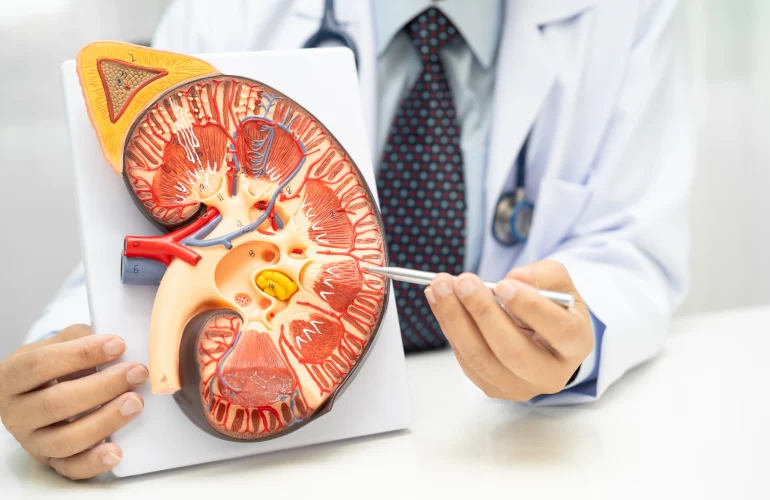
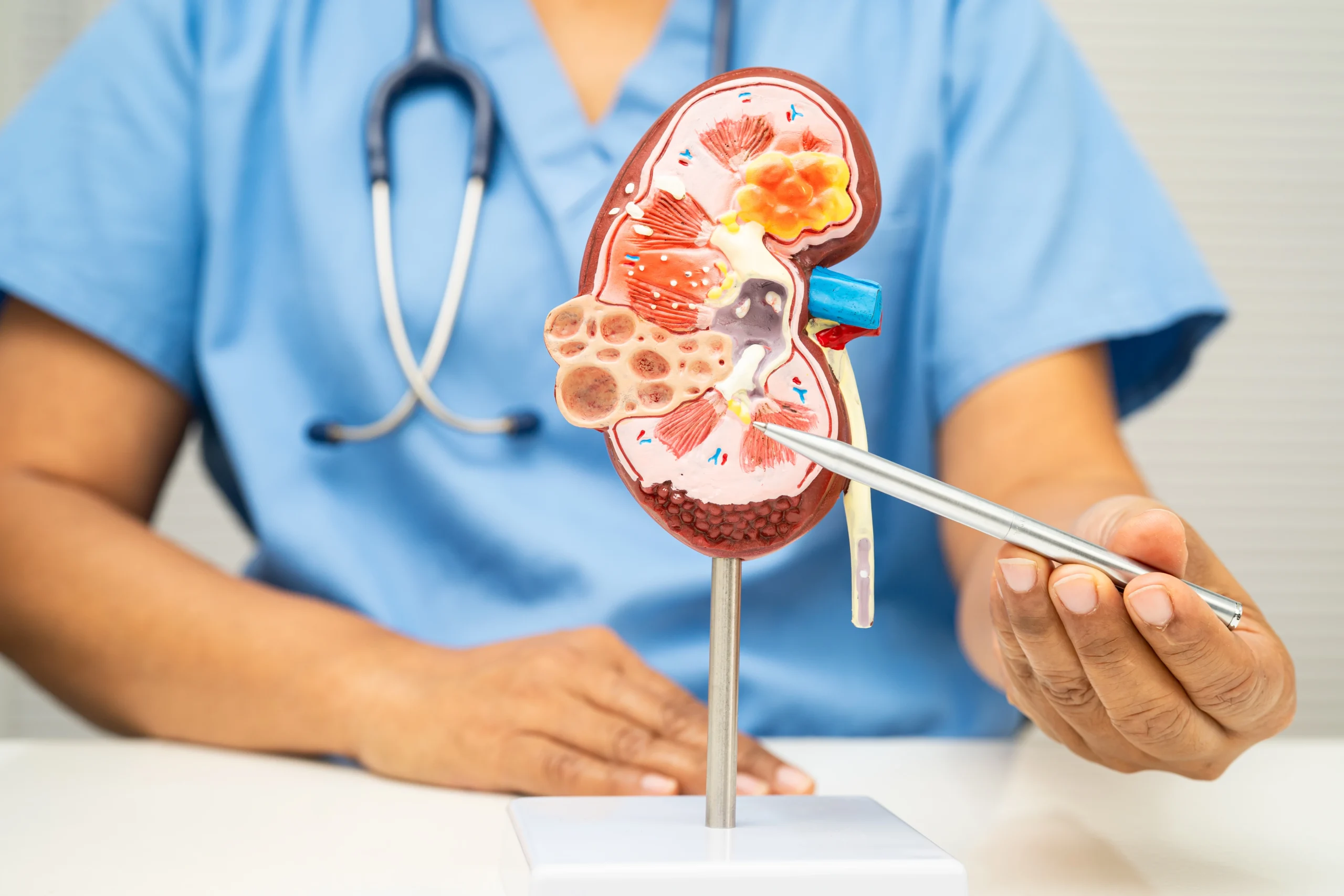
Kidney stones are solid masses made of crystals that form in the kidneys due to imbalances in urine composition. These stones can vary in size, from tiny grains to larger stones that block the urinary tract.
They may remain in the kidney or travel through the urinary tract, causing symptoms when they obstruct urine flow.
What Are the First Signs of Kidney Stones? (Detailed Explanation)
The early signs of kidney stones can be subtle at first but may become more noticeable as the stone grows or moves.
1. Mild to Severe Back or Side Pain
- One of the earliest and most common symptoms
- Pain usually occurs in the lower back or side (flank area)
- May come and go in waves
As the stone moves, the pain can become sharp and intense.
2. Pain That Radiates to the Lower Abdomen or Groin
- Pain may spread from the back to the abdomen
- Can extend to the groin area
- Often indicates the stone is moving through the urinary tract
This type of pain is often referred to as renal colic.
3. Burning Sensation While Urinating
- Discomfort or pain during urination
- Often mistaken for a urinary tract infection
- Occurs when the stone reaches the lower urinary tract
4. Frequent Urge to Urinate
- Feeling the need to urinate more often
- Passing small amounts of urine
- Can be a sign that the stone is near the bladder
5. Blood in Urine (Hematuria)
- Urine may appear pink, red, or brown
- Caused by irritation of the urinary tract
- One of the key warning signs
Even a small amount of blood should not be ignored.
6. Cloudy or Foul-Smelling Urine
- Indicates possible infection
- May occur along with kidney stones
- Requires immediate medical attention
7. Nausea and Vomiting
- Often occur along with severe pain
- Caused by the body’s response to kidney obstruction
- May lead to dehydration
8. Fever and Chills
- Suggest infection in the urinary tract
- A serious complication requiring urgent care
- May accompany severe kidney stone cases
Summary Table: What Are the First Signs of Kidney Stones
| Symptom | What It Indicates |
| Back/side pain | Stone in kidney or ureter |
| Radiating pain | Stone moving through urinary tract |
| Burning urination | Stone near bladder |
| Frequent urination | Irritation in urinary tract |
| Blood in urine | Damage to urinary lining |
| Cloudy urine | Possible infection |
| Nausea/vomiting | Body reacting to pain/blockage |
| Fever/chills | Infection (serious condition) |
How Do Kidney Stones Develop?
Understanding how stones form helps explain what are the first signs of kidney stones:
- Urine becomes concentrated
- Minerals like calcium and uric acid crystallize
- Crystals stick together and grow
- Stones form in the kidney
- Stones move into the urinary tract, causing symptoms
Types of Kidney Stones
Different types of stones may cause slightly different symptoms:
| Type | Cause |
| Calcium stones | High calcium or oxalate levels |
| Uric acid stones | High uric acid levels |
| Struvite stones | Urinary tract infections |
| Cystine stones | Genetic disorder |
Identifying the type helps guide treatment and prevention.
Risk Factors for Kidney Stones
Certain factors increase the likelihood of developing kidney stones:
- Dehydration
- High-salt or high-protein diet
- Obesity
- Family history
- Certain medications
- Digestive diseases
- Low water intake
People with these risk factors should be especially aware of early symptoms.
When Should You See a Doctor?
You should seek medical attention if you experience:
- Severe or persistent pain
- Blood in urine
- Fever with chills
- Difficulty passing urine
- Nausea and vomiting
Early medical care can prevent complications such as infection or kidney damage.
Diagnosis of Kidney Stones
Doctors use several methods to diagnose kidney stones:
- Urine tests
- Blood tests
- Ultrasound
- CT scan
These tests help determine the size, location, and type of stone.
Treatment Options for Kidney Stones
Treatment depends on the size and severity of the stone.
1. Conservative Treatment (For Small Stones)
- Increased fluid intake
- Pain management medications
- Medical therapy to help pass stones
2. Advanced Treatments
For larger or complicated stones:
- Shock wave lithotripsy (breaking stones using sound waves)
- Ureteroscopy (removal using a thin scope)
- Percutaneous nephrolithotomy (surgical removal)
Prevention Tips
Preventing kidney stones is possible with simple lifestyle changes:
- Drink plenty of water (at least 2–3 liters daily)
- Reduce salt intake
- Limit high-oxalate foods
- Maintain a healthy weight
- Avoid excessive protein intake
- Follow medical advice if prone to stones
Why Knowing What Are the First Signs of Kidney Stones Matters
Understanding what are the first signs of kidney stones allows patients to:
- Seek early medical care
- Prevent stone growth
- Avoid severe pain and complications
- Reduce the need for surgery
Early awareness can significantly improve outcomes and reduce recurrence.
Conclusion
Kidney stones can cause significant discomfort, but early detection makes a big difference. Recognizing what are the first signs of kidney stones—such as back pain, blood in urine, and frequent urination—can help you seek timely treatment.
Ignoring early symptoms may lead to complications, including infections and kidney damage. If you experience any warning signs, consult the experts at Aayush Hospital for accurate diagnosis and effective treatment.
FAQs
1. What is the first symptom of kidney stones?
The earliest symptom is usually pain in the lower back or side.
2. Can kidney stones go away on their own?
Small stones often pass naturally with proper hydration.
3. How do I know if I have kidney stones?
Symptoms like pain, blood in urine, and frequent urination are key indicators.
4. Are kidney stones dangerous?
They can become serious if they cause blockage or infection.
5. How can kidney stones be prevented?
Staying hydrated and maintaining a healthy diet can reduce the risk.
Contact Details: