What Are the Symptoms of Blood Cancer?
Blood cancer is a serious condition that affects how blood cells are produced and function in the body. It develops in the bone marrow or lymphatic system and interferes with the body’s ability to fight infections, carry oxygen, and control bleeding.
Understanding what are the symptoms of blood cancer is extremely important because early detection can significantly improve treatment outcomes. Many symptoms are mild in the beginning and often mistaken for common health issues, which makes awareness crucial.
What Is Blood Cancer?
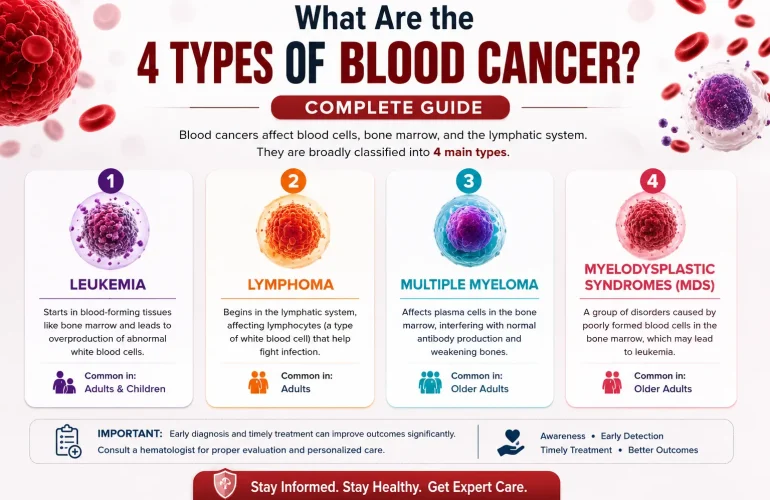
Blood cancer refers to cancers that affect the blood, bone marrow, and lymphatic system. The main types include:
- Leukemia – affects white blood cells and bone marrow
- Lymphoma – affects the lymphatic system
- Multiple myeloma – affects plasma cells in the bone marrow
Each type impacts the body differently, but all disrupt the normal production of healthy blood cells.
What Are the Symptoms of Blood Cancer? (Detailed Explanation)
The symptoms of blood cancer can vary depending on the type and stage. However, there are several early warning signs that patients should not ignore.
1. Persistent Fatigue and Weakness
- One of the most common early symptoms
- Caused by low red blood cell count (anemia)
- Patients may feel tired even after adequate rest
Fatigue occurs because the body is not getting enough oxygen due to abnormal blood cells.
2. Frequent or Recurrent Infections
- Repeated infections such as colds, flu, or throat infections
- Infections may take longer to heal
- Occur due to weakened immune system
Abnormal white blood cells cannot effectively fight infections.
3. Unexplained Weight Loss
- Sudden weight loss without dieting or exercise
- Often occurs in advanced stages
- May be accompanied by loss of appetite
This is a common symptom seen in many cancers.
4. Fever and Night Sweats
- Persistent or recurring fever without infection
- Excessive sweating, especially at night
- May disrupt sleep
These symptoms are often linked to the body’s response to cancer.
5. Easy Bruising and Bleeding
- Frequent nosebleeds
- Bleeding gums
- Easy bruising even from minor injuries
This happens due to a low platelet count, which affects blood clotting.
6. Bone and Joint Pain
- Pain in bones or joints
- Common in leukemia patients
- Caused by abnormal cell growth in bone marrow
This pain may worsen over time if not treated.
7. Swollen Lymph Nodes
- Painless swelling in the neck, armpits, or groin
- Common in lymphoma
- May be persistent and gradually increase in size
Swollen lymph nodes are one of the key warning signs.
8. Shortness of Breath
- Difficulty breathing during normal activities
- Caused by anemia
- May be accompanied by fatigue
This occurs when oxygen supply in the body is reduced.
9. Pale Skin (Pallor)
- Skin may appear pale or washed out
- Caused by low red blood cell levels
- Often linked with fatigue
10. Abdominal Discomfort or Swelling
- Feeling of fullness in the abdomen
- Caused by enlarged spleen or liver
- May lead to reduced appetite
Summary Table: What Are the Symptoms of Blood Cancer
| Symptom | Cause |
| Fatigue | Low red blood cells (anemia) |
| Frequent infections | Weak immune system |
| Weight loss | Cancer-related metabolic changes |
| Fever/night sweats | Immune response to cancer |
| Bruising/bleeding | Low platelet count |
| Bone pain | Bone marrow involvement |
| Swollen lymph nodes | Lymphatic system involvement |
| Breathlessness | Reduced oxygen levels |
| Pale skin | Anemia |
| Abdominal swelling | Enlarged spleen/liver |
Early vs Advanced Symptoms
Understanding what are the symptoms of blood cancer at different stages can help in early diagnosis.
Early Symptoms
- Mild fatigue
- Frequent infections
- Slight weight loss
- Occasional fever
Advanced Symptoms
- Severe fatigue
- Persistent fever and night sweats
- Significant weight loss
- Bone pain
- Bleeding and bruising
- Enlarged lymph nodes
Early detection significantly improves treatment success rates.
Risk Factors for Blood Cancer
Certain factors can increase the risk of developing blood cancer:
- Family history of blood cancer
- Exposure to radiation
- Exposure to harmful chemicals
- Weak immune system
- Previous cancer treatments (chemotherapy/radiation)
- Smoking
While these factors increase risk, blood cancer can also occur without any known cause.
When Should You See a Doctor?
You should consult a doctor if you experience:
- Persistent fatigue lasting more than a few weeks
- Frequent infections
- Unexplained weight loss
- Swollen lymph nodes
- Unusual bleeding or bruising
- Night sweats or recurring fever
Early medical evaluation can lead to timely diagnosis and better outcomes.
Diagnosis of Blood Cancer
Doctors use several tests to diagnose blood cancer:
- Complete blood count (CBC)
- Bone marrow biopsy
- Imaging tests (CT scan, PET scan)
- Lymph node biopsy
These tests help confirm the diagnosis and determine the type and stage of cancer.
Treatment Options
Treatment depends on the type and severity of blood cancer.
Common Treatment Methods
- Chemotherapy
- Radiation therapy
- Targeted therapy
- Immunotherapy
- Stem cell transplant
Modern treatments have significantly improved survival rates and quality of life.
Prevention and Awareness
While blood cancer cannot always be prevented, you can reduce risks by:
- Avoiding exposure to harmful chemicals
- Maintaining a healthy lifestyle
- Not smoking
- Getting regular health check-ups
- Paying attention to unusual symptoms
Awareness is the key to early detection.
Why Knowing What Are the Symptoms of Blood Cancer Matters
Understanding what are the symptoms of blood cancer helps you:
- Detect the disease early
- Seek timely medical care
- Improve chances of successful treatment
- Avoid complications
Ignoring symptoms can delay diagnosis and make treatment more difficult.
Conclusion
Blood cancer is a serious but treatable condition, especially when detected early. Recognizing what are the symptoms of blood cancer can make a significant difference in outcomes.
Symptoms such as fatigue, infections, unexplained weight loss, and unusual bleeding should never be ignored. If you or your loved ones experience these signs, seek medical attention immediately.
At Aayush Hospital, our experienced specialists provide comprehensive diagnosis and advanced treatment options to ensure the best possible care for patients.
FAQs
1. What are the first symptoms of blood cancer?
The earliest symptoms often include fatigue, frequent infections, and mild weight loss.
2. Can blood cancer be detected early?
Yes, early detection is possible through awareness of symptoms and routine blood tests.
3. Is blood cancer curable?
Some types of blood cancer are highly treatable, especially when diagnosed early.
4. Do all blood cancers show symptoms?
In early stages, symptoms may be mild or absent, which is why regular check-ups are important.
5. How fast do blood cancer symptoms appear?
It depends on the type. Some develop slowly, while others progress rapidly.
Contact Details: