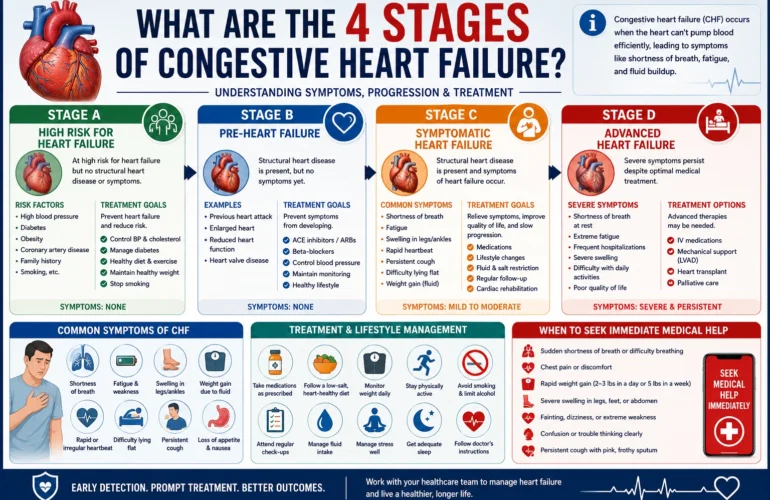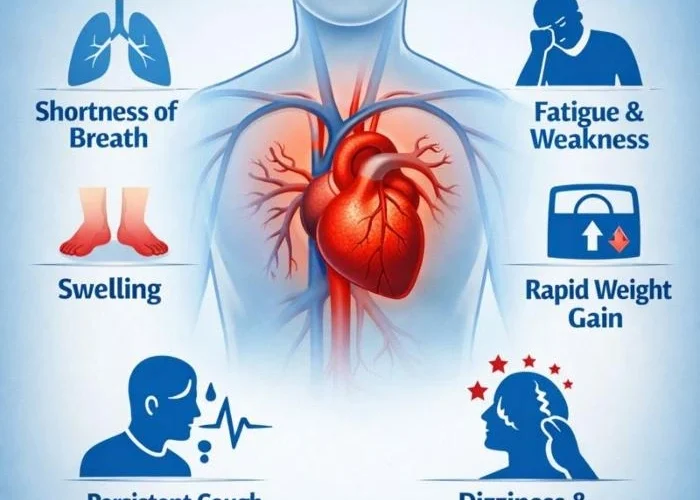
Coronary artery disease (CAD) is one of the leading causes of heart attacks and heart-related deaths worldwide. It develops when the coronary arteries, which supply oxygen-rich blood to the heart muscle, become narrowed or blocked due to the buildup of fatty deposits called plaque. Over time, this reduced blood flow can weaken the heart and increase the risk of serious complications.
Recognizing coronary artery disease symptoms early is essential because prompt diagnosis and treatment can help prevent heart attacks, improve heart function, and enhance quality of life. While some people experience obvious warning signs, others may have mild symptoms or no symptoms until the disease has progressed.
In this comprehensive guide, you’ll learn about coronary artery disease symptoms, causes, risk factors, diagnosis, treatment options, and preventive measures.
What Is Coronary Artery Disease?
Coronary artery disease (CAD), also known as coronary heart disease or ischemic heart disease, occurs when plaque made up of cholesterol, fat, calcium, and other substances builds up inside the coronary arteries. This process, called atherosclerosis, narrows the arteries and reduces blood flow to the heart muscle.
When the heart does not receive enough oxygen-rich blood, it can lead to chest pain (angina), shortness of breath, irregular heart rhythms, or even a heart attack.
Coronary Artery Disease Symptoms
The severity of coronary artery disease symptoms depends on the extent of artery blockage. Some people experience symptoms only during physical activity or stress, while others may have symptoms even at rest.
1. Chest Pain (Angina)
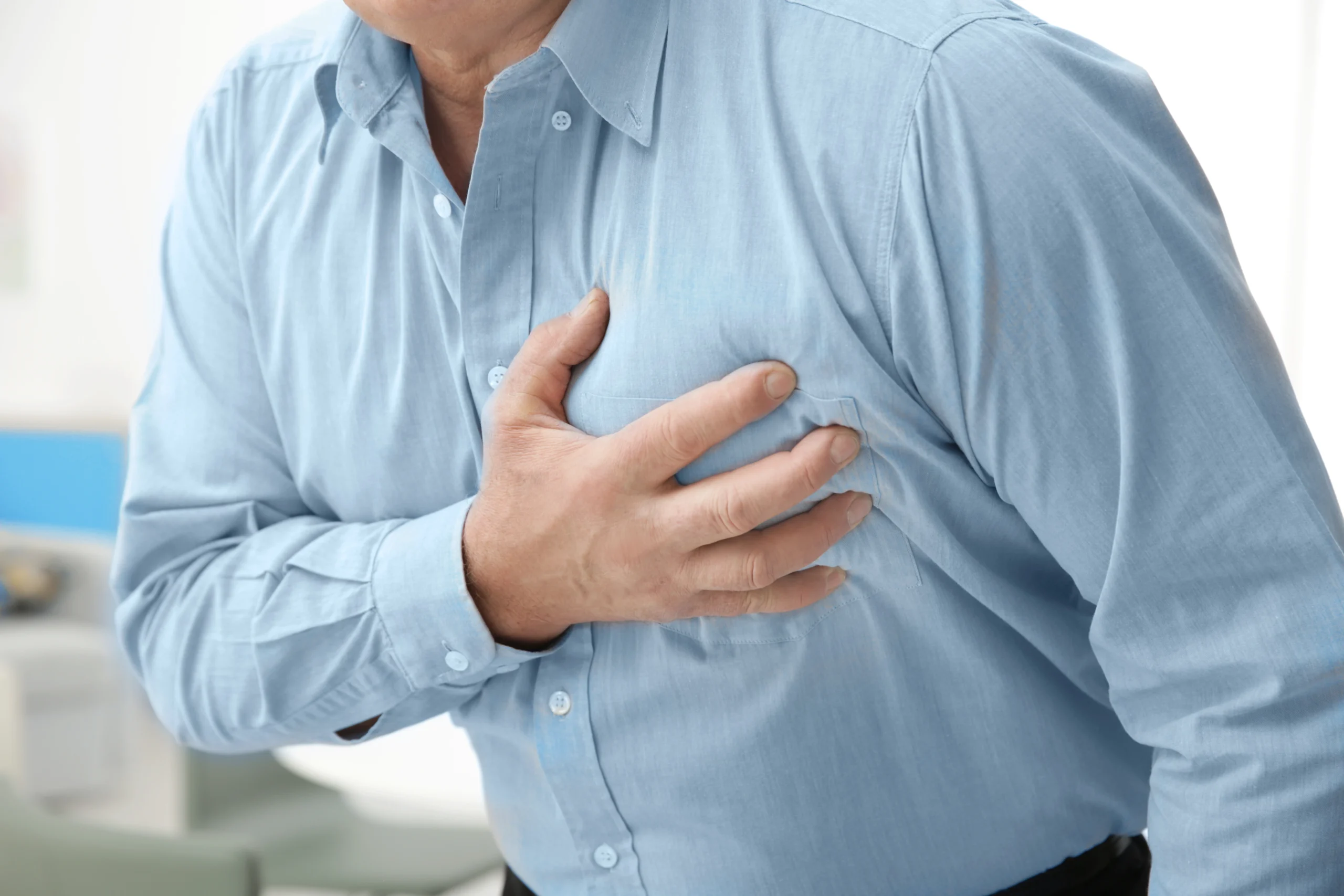
Chest pain is the most common symptom of coronary artery disease.
It may feel like:
- Pressure in the chest
- Tightness
- Squeezing sensation
- Heaviness
- Burning discomfort
The pain may spread to:
- Left arm
- Right arm
- Neck
- Jaw
- Shoulder
- Upper back
Angina often occurs during physical exertion or emotional stress and usually improves with rest or medication.
2. Shortness of Breath
Reduced blood flow to the heart can make it difficult for the heart to pump efficiently, causing:
- Breathlessness during activity
- Difficulty climbing stairs
- Shortness of breath while walking
- Breathing difficulty while lying flat (in advanced cases)
3. Fatigue
Many people experience unusual tiredness even after minimal activity because the heart cannot pump enough blood to meet the body’s needs.
Symptoms include:
- Low energy
- Weakness
- Difficulty performing daily activities
4. Pain in Other Areas
Heart-related pain isn’t always limited to the chest.
Some people experience discomfort in:
- Neck
- Jaw
- Left shoulder
- Both arms
- Upper abdomen
- Back
This is particularly common in women, older adults, and people with diabetes.
5. Heart Palpitations
Patients may notice:
- Rapid heartbeat
- Fluttering sensation
- Irregular heartbeat
- Skipped beats
6. Dizziness or Lightheadedness
Reduced blood flow may result in:
- Feeling faint
- Sudden dizziness
- Loss of balance
- Near-fainting episodes
7. Nausea and Sweating
Some individuals, particularly women, may experience:
- Cold sweats
- Nausea
- Vomiting
- Indigestion-like discomfort
8. Heart Attack Symptoms
In some cases, the first sign of coronary artery disease is a heart attack.
Symptoms include:
- Severe chest pain lasting more than a few minutes
- Pain spreading to the arm, jaw, neck, or back
- Shortness of breath
- Cold sweat
- Nausea
- Vomiting
- Sudden weakness
- Loss of consciousness
A heart attack is a medical emergency. Seek immediate emergency medical care if these symptoms occur.
Early vs Advanced Coronary Artery Disease Symptoms
| Early Symptoms | Advanced Symptoms |
| Mild chest discomfort | Severe chest pain |
| Fatigue during activity | Chest pain at rest |
| Shortness of breath while exercising | Heart attack |
| Reduced exercise tolerance | Heart failure symptoms |
| Occasional palpitations | Severe breathlessness |
Causes of Coronary Artery Disease
Coronary artery disease develops gradually due to plaque buildup inside the arteries.
Common causes include:
- High cholesterol
- High blood pressure
- Smoking
- Diabetes
- Obesity
- Physical inactivity
- Chronic stress
- Unhealthy diet
- Aging
- Family history of heart disease
Risk Factors
Certain individuals are more likely to develop coronary artery disease.
Non-Modifiable Risk Factors
- Increasing age
- Male gender (higher risk at younger ages)
- Family history of heart disease
- Genetic predisposition
Modifiable Risk Factors
- Smoking
- High cholesterol
- Hypertension
- Diabetes
- Obesity
- Sedentary lifestyle
- Poor diet
- Excessive alcohol consumption
- Stress
How Is Coronary Artery Disease Diagnosed?
Doctors use several tests to confirm CAD and determine its severity.
| Test | Purpose |
| Physical examination | Evaluate heart health |
| Blood tests | Check cholesterol, blood sugar, and heart damage markers |
| Electrocardiogram (ECG) | Detect abnormal heart rhythms or signs of reduced blood flow |
| Echocardiogram | Assess heart structure and pumping function |
| Stress test | Evaluate heart performance during exercise or medication-induced stress |
| CT Coronary Angiography | Visualize coronary arteries non-invasively |
| Coronary Angiography | Identify the location and severity of arterial blockages |
Treatment Options
Treatment depends on the severity of the disease and aims to relieve symptoms, improve blood flow, and reduce the risk of complications.
Lifestyle Changes
Doctors often recommend:
- Eating a heart-healthy diet
- Exercising regularly (as advised)
- Quitting smoking
- Maintaining a healthy weight
- Managing stress
- Controlling diabetes and blood pressure
Medications
Common medications include:
- Antiplatelet medicines
- Cholesterol-lowering drugs (statins)
- Beta-blockers
- ACE inhibitors or ARBs
- Nitrates
- Calcium channel blockers
Interventional Procedures
When medications are not enough, procedures may be needed:
Coronary Angioplasty and Stenting
A small balloon is used to open the blocked artery, and a stent is placed to keep it open.
Coronary Artery Bypass Grafting (CABG)
Healthy blood vessels from another part of the body are used to bypass blocked coronary arteries and restore blood flow.
Possible Complications
If left untreated, coronary artery disease can lead to:
- Heart attack
- Heart failure
- Irregular heart rhythms (arrhythmias)
- Sudden cardiac arrest
- Reduced heart function
How to Prevent Coronary Artery Disease
Many cases can be prevented by adopting healthy habits.
Prevention Tips
- Eat a balanced diet rich in fruits, vegetables, whole grains, and lean proteins
- Exercise for at least 150 minutes per week, if medically appropriate
- Avoid tobacco products
- Limit alcohol intake
- Maintain a healthy weight
- Monitor blood pressure, cholesterol, and blood sugar
- Manage stress through relaxation techniques
- Attend regular health check-ups
When Should You See a Doctor?
Consult a healthcare professional if you experience:
- Recurrent chest pain
- Shortness of breath
- Fatigue with minimal activity
- Palpitations
- Pain radiating to the arm, jaw, or back
- Dizziness or fainting
Seek emergency medical attention immediately if you experience symptoms suggestive of a heart attack.
Frequently Asked Questions (FAQs)
What are the first coronary artery disease symptoms?
Early symptoms often include chest discomfort, shortness of breath during activity, fatigue, and reduced exercise tolerance.
Can coronary artery disease develop without symptoms?
Yes. Some people have “silent” coronary artery disease and may not experience symptoms until they have a heart attack or other complication.
Is chest pain always a sign of coronary artery disease?
No. Chest pain can have many causes, but any new, severe, or persistent chest pain should be evaluated promptly by a healthcare professional.
Can coronary artery disease be cured?
Coronary artery disease cannot usually be completely cured, but it can be effectively managed with lifestyle changes, medications, and procedures to reduce symptoms and lower the risk of complications.
Who is at higher risk for coronary artery disease?
People with high blood pressure, diabetes, high cholesterol, obesity, a family history of heart disease, and those who smoke have a higher risk.
Conclusion
Recognizing coronary artery disease symptoms at an early stage can help prevent life-threatening complications such as heart attacks and heart failure. Symptoms such as chest pain, shortness of breath, unusual fatigue, and pain radiating to the jaw or arm should never be ignored. Early diagnosis, timely treatment, and heart-healthy lifestyle changes play a crucial role in managing coronary artery disease and improving long-term outcomes. At Aayush Hospital, our experienced cardiology team provides comprehensive evaluation, advanced diagnostic services, and personalized treatment plans to help patients maintain optimal heart health.
Contact Details: