
Introduction
Digestive discomfort is one of the most common health complaints today. Many people often confuse gas and acidity, assuming they are the same condition. However, understanding the difference between gas and acidity is essential for proper treatment and long-term relief.
While both conditions affect the digestive system and may occur together, they have distinct causes, symptoms, and management approaches. Misinterpreting these symptoms can delay appropriate care and worsen the condition over time.
This comprehensive guide will help you clearly understand the difference between gas and acidity, enabling you to take the right steps toward better digestive health.
What is Gas?
Gas is a natural byproduct of digestion. It forms when food is broken down in the stomach and intestines or when air is swallowed during eating or drinking.
Common Symptoms of Gas
- Bloating or fullness in the abdomen
- Frequent burping (belching)
- Passing gas (flatulence)
- Mild abdominal cramps
- Rumbling sensation in the stomach
Excess gas becomes problematic when it accumulates or is not expelled easily, leading to discomfort and pressure in the abdomen.
What is Acidity?
Acidity, also known as acid reflux or heartburn, occurs when excess stomach acid flows back into the esophagus. This leads to irritation and a burning sensation.
Common Symptoms of Acidity
- Burning sensation in the chest (heartburn)
- Sour or bitter taste in the mouth
- Regurgitation of food or acid
- Nausea or discomfort after meals
- Difficulty swallowing in severe cases
Acidity usually occurs when the lower esophageal sphincter (LES) does not function properly, allowing acid to move upward.
Difference Between Gas and Acidity (Quick Comparison Table)
| Feature | Gas | Acidity |
| Definition | Accumulation of air in digestive tract | Excess stomach acid production |
| Main Area Affected | Abdomen and intestines | Stomach and esophagus |
| Primary Symptoms | Bloating, burping, flatulence | Burning chest pain, sour taste |
| Pain Type | Pressure or cramping | Burning sensation |
| Triggers | Swallowing air, certain foods | Spicy foods, caffeine, stress |
| Relief | Passing gas, bowel movement | Antacids, acid reducers |
| Serious Risk | Usually mild | Can lead to GERD if untreated |
Gas is mainly related to air buildup, while acidity is caused by excess stomach acid reflux.
Key Differences Between Gas and Acidity
Understanding the difference between gas and acidity becomes easier when you focus on how each condition feels:
1. Location of Discomfort
- Gas: Mostly in the abdomen
- Acidity: Chest and upper stomach
2. Nature of Pain
- Gas: Cramping or fullness
- Acidity: Burning sensation
3. Relief Pattern
- Gas: Improves after burping or passing gas
- Acidity: Persists until acid is neutralized
4. Associated Symptoms
- Gas: Bloating and heaviness
- Acidity: Sour taste and regurgitation
These differences help doctors diagnose the condition accurately and provide targeted treatment.
Causes of Gas and Acidity
Causes of Gas
- Eating too quickly or swallowing air
- Carbonated beverages
- High-fiber foods like beans and lentils
- Food intolerances (e.g., lactose intolerance)
- Digestive disorders like IBS
Causes of Acidity
- Spicy, oily, or fried foods
- Excess caffeine or alcohol
- Stress and lack of sleep
- Smoking
- Eating late at night or lying down after meals
Both conditions may be triggered by poor lifestyle habits, but acidity is more strongly linked to dietary triggers and acid imbalance.
Why Gas and Acidity Are Often Confused
Many people struggle to identify the difference between gas and acidity because their symptoms overlap.
Common Overlapping Symptoms
- Abdominal discomfort
- Bloating
- Chest pain
- Nausea
In some cases, gas can cause chest discomfort that mimics acidity, while acidity can lead to bloating.
This overlap is why professional medical evaluation is important if symptoms are frequent or severe.
Diagnosis: How Doctors Identify the Condition
Doctors typically diagnose gas and acidity based on:
Medical Evaluation
- Patient history and symptoms
- Physical examination
Diagnostic Tests (if needed)
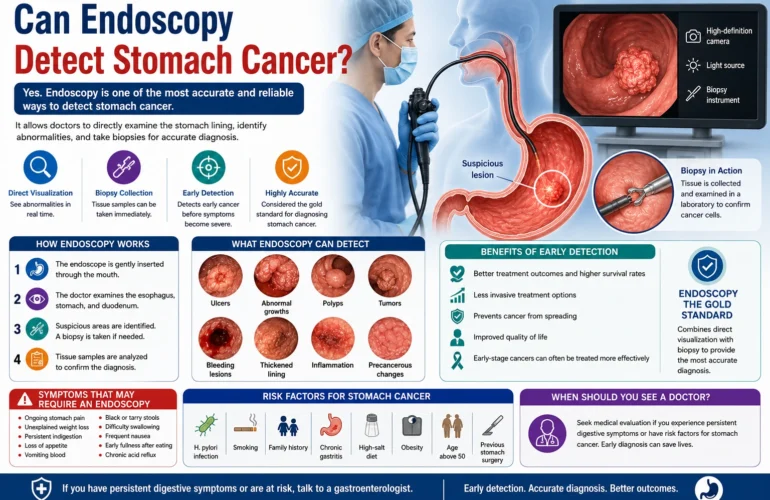
- Endoscopy
- pH monitoring (for acid reflux)
- Ultrasound or abdominal tests
Accurate diagnosis is essential because long-term acidity can lead to complications such as GERD.
Treatment Options for Gas and Acidity
Treatment for Gas
- Over-the-counter anti-gas medications
- Probiotics to improve gut health
- Dietary changes (avoid gas-forming foods)
- Eating slowly and chewing properly
Treatment for Acidity
- Antacids for immediate relief
- Proton pump inhibitors (PPIs)
- H2 blockers
- Lifestyle modifications
Both conditions can often be managed effectively with lifestyle changes and medication.
Home Remedies for Relief
For Gas
- Drink warm water
- Herbal teas (ginger, peppermint)
- Gentle physical activity
For Acidity
- Avoid lying down after meals
- Eat smaller, frequent meals
- Reduce spicy and oily foods
- Elevate the head while sleeping
These simple remedies can provide quick relief and prevent recurrence.
Prevention Tips for Better Digestive Health
To reduce the risk and better manage the difference between gas and acidity, follow these preventive tips:
Dietary Tips
- Eat balanced meals on time
- Avoid overeating
- Limit processed and junk foods
Lifestyle Changes
- Maintain a healthy weight
- Exercise regularly
- Manage stress effectively
Healthy Habits
- Avoid smoking and alcohol
- Stay hydrated
- Sleep well
Preventive care plays a major role in maintaining digestive health and avoiding chronic conditions.
When Should You See a Doctor?
Seek medical attention if you experience:
- Persistent or severe chest pain
- Difficulty swallowing
- Frequent acidity (more than twice a week)
- Unexplained weight loss
- Vomiting or blood in stools
Chronic acidity may indicate GERD, which requires medical treatment.
FAQs: Difference Between Gas and Acidity
1. How can I tell if it is gas or acidity?
Gas usually causes bloating and is relieved by passing gas, while acidity causes a burning sensation in the chest.
2. Can gas cause chest pain?
Yes, gas can sometimes cause chest discomfort, which may be mistaken for acidity.
3. Is acidity more serious than gas?
Yes, chronic acidity can lead to GERD and other complications if untreated.
4. Can both occur together?
Yes, gas and acidity often occur together due to digestive disturbances.
5. What is the fastest way to relieve acidity?
Antacids and avoiding trigger foods can provide quick relief.
Conclusion
Understanding the difference between gas and acidity is crucial for effective treatment and long-term digestive health. While gas is caused by air buildup in the digestive tract, acidity results from excess stomach acid flowing into the esophagus.
Although both conditions may seem similar, their symptoms, causes, and treatment approaches differ significantly. Recognizing these differences allows patients to take the right steps, whether it’s dietary changes, lifestyle adjustments, or seeking medical care.
At Aayush Hospital, we emphasize early diagnosis and personalized care to help patients manage digestive issues effectively. If you frequently experience discomfort, consult a healthcare professional for accurate diagnosis and treatment.