Heart failure is a serious condition in which the heart cannot pump blood effectively enough to meet the body’s needs. Despite its name, heart failure does not mean that the heart has stopped working. It means the heart’s pumping ability is impaired, which can affect the delivery of oxygen and nutrients throughout the body.
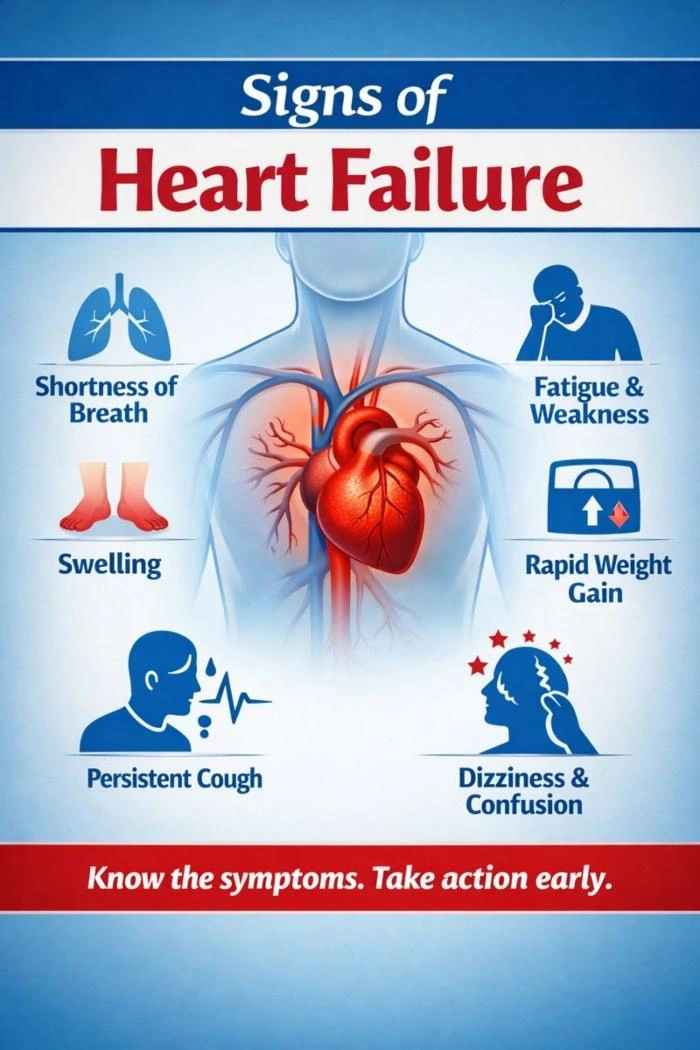
Recognising heart failure symptoms early is important because symptoms may develop gradually and can sometimes be mistaken for normal ageing, lack of fitness, stress or other health problems. Common warning signs include breathlessness, persistent coughing, unusual tiredness, swelling of the legs or ankles, rapid weight gain and difficulty lying flat.
If these symptoms are new, persistent or becoming worse, medical evaluation is important. Early diagnosis and appropriate treatment can help control symptoms, reduce complications and improve quality of life.
What Is Heart Failure?
Heart failure occurs when the heart is unable to pump blood sufficiently to meet the body’s requirements. It can happen because the heart muscle has become weak, stiff or damaged, or because another condition has affected how the heart works.
When the heart does not pump effectively, blood and fluid can build up in the lungs and other parts of the body. This can lead to many of the characteristic symptoms of heart failure, including breathlessness and swelling.
Heart failure may develop suddenly or gradually. Some people have noticeable symptoms, while others may initially have only mild changes in their ability to perform everyday activities.
What Are the Most Common Heart Failure Symptoms?
The symptoms of heart failure can vary from person to person. Some people experience primarily breathing problems, while others notice swelling, fatigue or changes in weight.
The most common heart failure symptoms include:
| Symptom | What you may notice |
| Shortness of breath | Breathlessness during activity, while resting or when lying down |
| Persistent cough | Ongoing cough or wheezing, sometimes worse at night |
| Swelling | Fluid-related swelling in the feet, ankles, legs or abdomen |
| Fatigue | Unusual tiredness or reduced ability to perform daily activities |
| Rapid weight gain | Sudden increase in weight caused by fluid retention |
| Fast heartbeat | Racing, pounding or fluttering heartbeat |
| Loss of appetite | Feeling full quickly, nausea or reduced interest in food |
| Dizziness | Light-headedness or feeling faint |
| Confusion | Difficulty thinking clearly or changes in alertness |
These symptoms can occur individually or together. Having one of these symptoms does not automatically mean that you have heart failure because several other medical conditions can cause similar symptoms. A doctor can determine the underlying cause through examination and appropriate testing.
1. Shortness of Breath
Shortness of breath is one of the most common heart failure symptoms.
Initially, you may notice breathlessness only during physical activity, such as:
- Walking quickly
- Climbing stairs
- Carrying heavy objects
- Exercising
- Performing household activities
As heart failure progresses, breathlessness may occur with less activity or even while resting.
Some people also experience difficulty breathing when lying flat. They may need to sleep with multiple pillows or sit upright to breathe comfortably. Sudden breathlessness that wakes someone from sleep can also occur.
This happens because reduced heart function can cause blood and fluid to back up toward the lungs, making breathing more difficult.
2. Persistent Cough or Wheezing
A cough that does not go away can sometimes be associated with heart failure, particularly when it occurs along with breathlessness or swelling.
Fluid accumulation in the lungs can cause:
- Persistent coughing
- Wheezing
- A moist or hacking cough
- Cough that becomes worse at night
In severe situations, a person may cough up frothy or pink-tinged sputum. This requires urgent medical assessment.
However, cough is common in many respiratory conditions, so it should not be assumed to be caused by heart failure without proper evaluation.
3. Swelling in the Legs, Ankles or Feet
Swelling, medically known as edema, is another important warning sign.
You may notice swelling in:
- Feet
- Ankles
- Lower legs
- Fingers
- Abdomen
Shoes or socks may suddenly feel tighter than usual. In some cases, pressing the swollen area may temporarily leave an indentation.
When the heart cannot pump blood efficiently, fluid can accumulate in the tissues. This can result in noticeable swelling and weight gain.
4. Persistent Fatigue and Weakness
Feeling tired after a busy day is normal. However, unexplained or persistent fatigue can be a potential heart failure symptom, particularly when it represents a significant change from your usual energy levels.
You may find that activities that were previously easy have become difficult, such as:
- Walking short distances
- Climbing stairs
- Shopping
- Cooking
- Doing household chores
- Carrying groceries
Reduced cardiac output can mean that muscles and other tissues do not receive enough oxygen-rich blood to meet their demands during activity.
5. Sudden Weight Gain
Unexpected weight gain over a short period can be an important sign of fluid retention.
Unlike weight gain caused by increased food intake, fluid-related weight gain can happen relatively quickly. People with heart failure may be advised by their healthcare team to monitor their weight regularly.
The American Heart Association notes that gaining more than 2–3 pounds in a day or more than 5 pounds in a week may indicate worsening fluid retention, although the appropriate threshold can vary between individuals.
If you have been diagnosed with heart failure, ask your doctor what amount of weight change should prompt you to contact your healthcare team.
6. Rapid or Irregular Heartbeat
Some people with heart failure experience a faster heartbeat or sensations such as:
- Heart racing
- Pounding heartbeat
- Fluttering in the chest
- Palpitations
The heart may beat faster as the body attempts to compensate for reduced pumping efficiency. Heart rhythm disorders can also contribute to or accompany heart failure.
Persistent or unexplained palpitations should be evaluated, particularly when accompanied by breathlessness, dizziness, chest discomfort or fainting.
7. Loss of Appetite, Nausea or Bloating
Heart failure can sometimes affect the digestive system.
A person may experience:
- Reduced appetite
- Nausea
- Feeling full after eating a small amount
- Abdominal bloating
- Abdominal swelling
These symptoms may occur because reduced blood flow and fluid accumulation can affect the digestive system.
Because these symptoms are common in many digestive conditions, their significance depends on the overall clinical picture.
8. Dizziness, Light-Headedness or Confusion
Reduced blood flow can sometimes contribute to dizziness or light-headedness. Some people may also experience confusion or difficulty thinking clearly.
These symptoms deserve particular attention when they appear alongside other signs such as breathlessness, swelling or significant weakness.
Sudden confusion, fainting or severe dizziness should be assessed urgently, especially when accompanied by other serious symptoms.
Are Heart Failure Symptoms Different in Older Adults?
Heart failure can affect people of different ages, but symptoms in older adults may sometimes be less obvious.
Instead of reporting severe breathlessness, an older person may primarily show:
- Reduced activity
- Unusual tiredness
- Difficulty completing routine tasks
- Loss of appetite
- Confusion
- Reduced mobility
- Increased sleeping or weakness
Family members may notice these changes before the person does. Any unexplained decline in everyday functioning should be discussed with a healthcare professional.
What Causes Heart Failure?
Heart failure can develop due to several conditions that damage or place excessive strain on the heart.
Common causes and risk factors include:
- Coronary artery disease
- Previous heart attack
- High blood pressure
- Heart valve disease
- Cardiomyopathy
- Abnormal heart rhythms
- Diabetes
- Certain congenital heart conditions
- Some infections or inflammatory conditions
- Long-term excessive alcohol consumption
The exact cause varies from one patient to another. Identifying the underlying cause is an important part of diagnosis and treatment.
How Is Heart Failure Diagnosed?
Heart failure cannot be diagnosed based on symptoms alone because breathlessness, fatigue, swelling and other symptoms can have many causes.
A doctor may begin with a medical history and physical examination and then recommend tests such as:
- Blood tests
- Electrocardiogram (ECG/EKG)
- Echocardiogram
- Chest X-ray
- Cardiac MRI
- Exercise or stress testing
- Cardiac catheterisation, when appropriate
An echocardiogram can provide important information about the structure and function of the heart. Blood tests may also help doctors evaluate conditions associated with or contributing to heart failure.
Depending on the patient’s symptoms and medical history, additional testing may be recommended.
When Should You See a Doctor for Heart Failure Symptoms?
Do not ignore persistent or worsening symptoms.
You should arrange a medical evaluation if you experience:
- New or worsening shortness of breath
- Swelling of the feet, ankles or legs
- Unexplained rapid weight gain
- Persistent cough or wheezing
- Unusual fatigue that interferes with daily activities
- Difficulty breathing when lying down
- Recurrent dizziness or light-headedness
- Persistent or unexplained palpitations
Early assessment can help identify whether symptoms are related to heart failure or another medical condition.
When Is Heart Failure an Emergency?
Severe or sudden symptoms require immediate medical attention.
Seek emergency medical help if you develop:
- Severe or sudden difficulty breathing
- Breathlessness at rest that is rapidly worsening
- Chest pain or pressure
- Fainting or severe weakness
- Sudden confusion
- Coughing up pink or frothy sputum
- Severe symptoms accompanied by a rapid or irregular heartbeat
These symptoms can indicate a serious cardiac or respiratory problem and should not be managed at home without medical evaluation.
Can Heart Failure Be Treated?
Although heart failure is generally a long-term condition, treatment can help control symptoms, reduce the risk of worsening disease and improve quality of life.
Treatment depends on the type and severity of heart failure and the underlying cause. It may include:
- Prescription medications
- Management of blood pressure and diabetes
- Treatment of abnormal heart rhythms
- Management of fluid retention
- Lifestyle modifications
- Devices or procedures for selected patients
- Treatment of underlying heart valve or coronary artery disease
Modern heart failure management uses several evidence-based medication approaches, with treatment tailored to the patient’s heart function, symptoms, other medical conditions and individual needs.
Patients should take prescribed medicines exactly as directed and should not stop or change medication without consulting their doctor.
How Can You Monitor Heart Failure Symptoms at Home?
If you have been diagnosed with heart failure, monitoring changes can help identify worsening symptoms early.
Your healthcare team may recommend tracking:
| What to monitor | Why it matters |
| Daily weight | Can identify rapid fluid retention |
| Breathing | Worsening breathlessness may indicate increased congestion |
| Leg or ankle swelling | May indicate increasing fluid accumulation |
| Heart rate | Changes may indicate rhythm or circulation problems |
| Blood pressure | Helps monitor cardiovascular status |
| Activity level | A decline may indicate worsening symptoms |
| Appetite | Changes can accompany worsening heart failure |
Keeping a record of symptoms can help your healthcare team determine whether treatment needs adjustment.
Frequently Asked Questions About Heart Failure Symptoms
What is the first sign of heart failure?
There is no single first symptom for everyone. Some people initially experience shortness of breath during activity, while others notice unusual fatigue, swelling or reduced ability to perform everyday activities.
Can heart failure cause shortness of breath at night?
Yes. Heart failure can cause breathlessness when lying down or sudden episodes of breathlessness that wake a person from sleep. This may occur because fluid backs up toward the lungs.
Can swollen feet be a sign of heart failure?
Swollen feet and ankles can be associated with heart failure because of fluid accumulation. However, swelling can also have other causes, so persistent or unexplained swelling should be evaluated by a healthcare professional.
Can heart failure cause weight gain?
Yes. Rapid weight gain over a short period can occur when the body retains excess fluid. If you have heart failure, ask your doctor how frequently you should monitor your weight and what changes should be reported.
Is heart failure curable?
Heart failure is generally a chronic condition, but it can often be managed with appropriate treatment. Treatment aims to control symptoms, address the underlying cause and help prevent the condition from worsening.
Can heart failure symptoms come and go?
Yes. Symptoms can fluctuate, and some people may have periods when they feel relatively well. However, new or worsening symptoms should not be ignored because they may indicate that the condition is becoming less controlled.
Conclusion
Understanding heart failure symptoms can help patients recognise important changes in their health and seek medical attention at the right time. Shortness of breath, persistent cough, swelling in the legs or ankles, unexplained fatigue, rapid weight gain, palpitations, dizziness and changes in appetite can all occur with heart failure.
However, these symptoms are not specific to heart failure and should not be used for self-diagnosis. If you experience persistent, new or worsening symptoms, consult a qualified healthcare professional for an appropriate evaluation.
At Aayush Hospital, patients can seek medical evaluation for cardiovascular symptoms and receive appropriate diagnostic guidance based on their individual health needs. Prompt medical attention is especially important when symptoms are sudden, severe or rapidly worsening.
Contact Details: