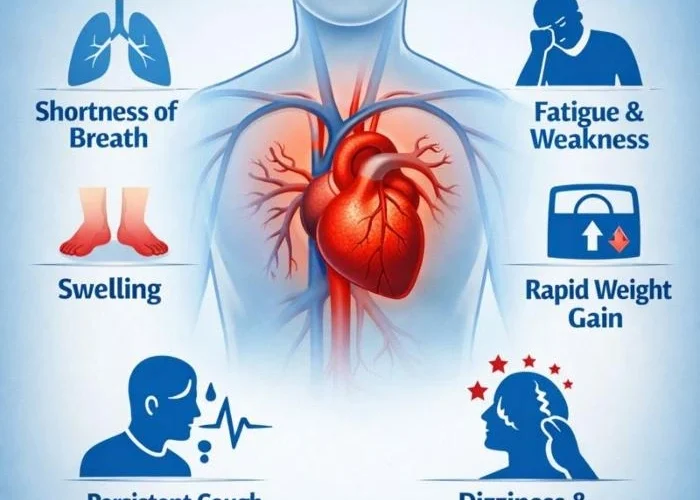
Congestive heart failure (CHF) is a chronic and progressive condition in which the heart becomes unable to pump blood efficiently enough to meet the body’s needs. Despite its name, heart failure does not mean the heart has stopped working. Instead, it means the heart’s pumping ability has weakened over time, leading to symptoms such as shortness of breath, fatigue, and fluid buildup.
Understanding what are the 4 stages of congestive heart failure is important because early diagnosis and treatment can slow disease progression, improve quality of life, and reduce the risk of complications. Healthcare providers commonly use the American College of Cardiology (ACC) and American Heart Association (AHA) staging system to classify heart failure.
In this article, we will discuss the four stages of congestive heart failure, their symptoms, causes, treatment options, and when to seek medical care.
Understanding Congestive Heart Failure
Congestive heart failure occurs when the heart cannot pump blood effectively. As a result, blood and fluid may back up into the lungs, legs, abdomen, and other tissues.
Common Causes of Congestive Heart Failure
- Coronary artery disease
- Previous heart attack
- High blood pressure
- Heart valve disease
- Cardiomyopathy
- Diabetes
- Obesity
- Congenital heart defects
- Irregular heart rhythms
Heart failure typically develops gradually, progressing through several stages over time.
What Are the 4 Stages of Congestive Heart Failure?
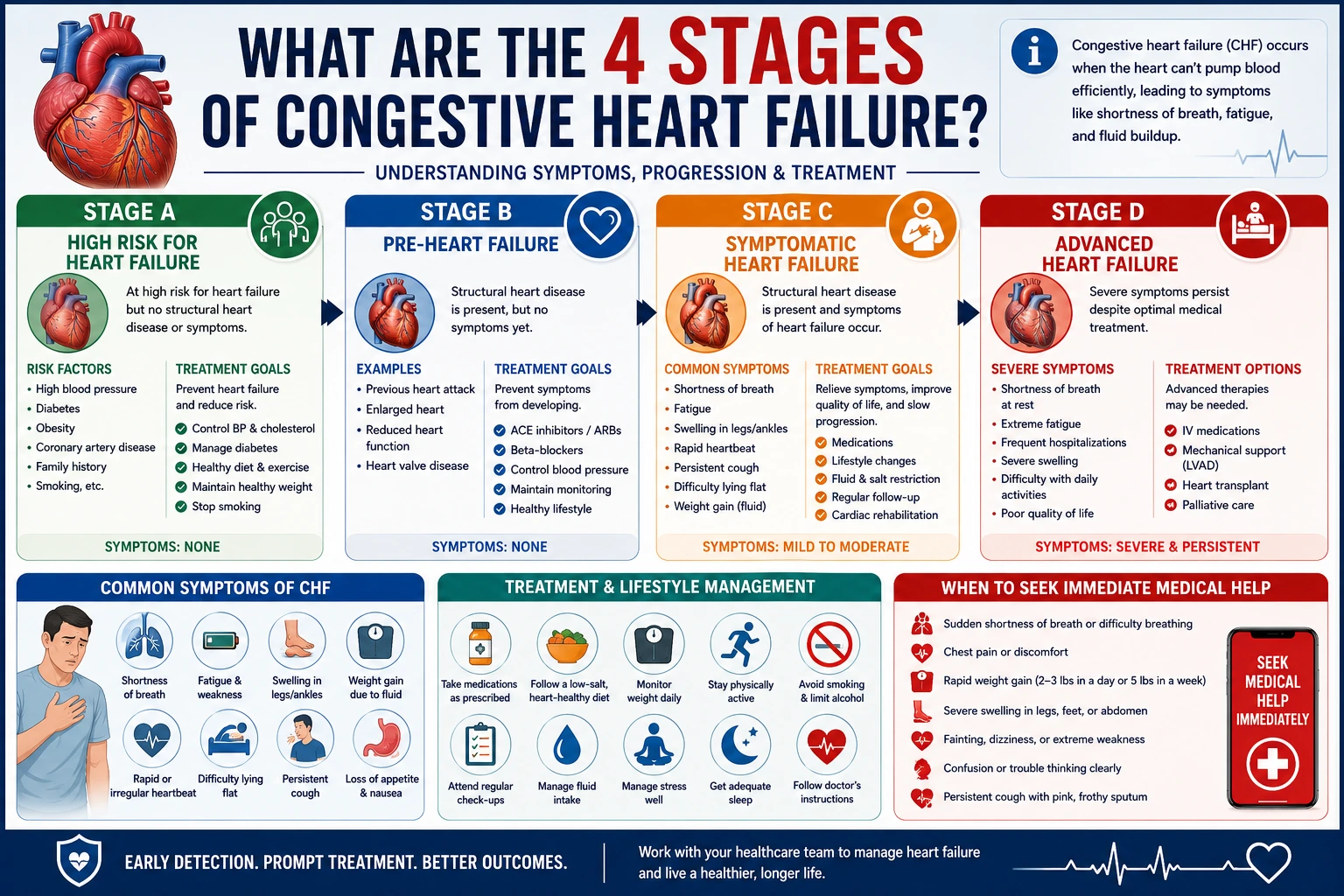
The ACC/AHA system divides heart failure into four stages:
- Stage A: High Risk for Heart Failure
- Stage B: Pre-Heart Failure
- Stage C: Symptomatic Heart Failure
- Stage D: Advanced Heart Failure
Unlike symptom-based classifications, these stages focus on disease progression and cannot be reversed to earlier stages once advanced.
Stage A: High Risk for Heart Failure
Stage A includes individuals who have risk factors for heart failure but do not yet have structural heart disease or symptoms.
Who Falls Into Stage A?
People with:
- High blood pressure
- Diabetes
- Obesity
- Coronary artery disease
- Family history of cardiomyopathy
- Metabolic syndrome
- Chronic kidney disease
Symptoms
At this stage, patients typically have:
- No symptoms of heart failure
- No structural heart abnormalities
Treatment Goals
The focus is on prevention.
Recommended Strategies
- Control blood pressure
- Maintain healthy cholesterol levels
- Manage diabetes
- Stop smoking
- Exercise regularly
- Maintain a healthy weight
- Follow a heart-healthy diet
Early intervention can significantly reduce the likelihood of developing heart failure later in life.
Stage B: Pre-Heart Failure
Stage B includes individuals who have developed structural heart abnormalities but still do not experience symptoms.
Examples of Structural Heart Changes
- Previous heart attack
- Enlarged heart muscle
- Reduced pumping function
- Heart valve abnormalities
Symptoms
Most patients remain symptom-free despite measurable heart changes.
Diagnostic Findings
Doctors may identify:
- Reduced ejection fraction
- Heart enlargement
- Valve disease
- Evidence of previous cardiac damage
Treatment Goals
The aim is to prevent symptoms from developing.
Common Treatments
- ACE inhibitors
- ARBs
- Beta-blockers
- Blood pressure management
- Lifestyle modifications
Regular cardiac monitoring becomes increasingly important during this stage.
Stage C: Symptomatic Heart Failure
Stage C is often when patients first realize something is wrong. Structural heart disease is present, and symptoms of heart failure begin to appear.
Common Symptoms
- Shortness of breath
- Fatigue
- Reduced exercise tolerance
- Swelling in the legs and ankles
- Rapid heartbeat
- Persistent cough
- Difficulty lying flat
- Weight gain due to fluid retention
How Symptoms Develop
As the heart weakens, it struggles to circulate blood efficiently. Fluid begins to accumulate in various parts of the body, causing congestion and discomfort.
Treatment Options
Treatment becomes more intensive during Stage C.
Medications
- ACE inhibitors
- ARBs
- Beta-blockers
- Diuretics
- Mineralocorticoid receptor antagonists
- SGLT2 inhibitors
Lifestyle Changes
- Sodium restriction
- Fluid management
- Regular exercise
- Weight monitoring
- Smoking cessation
Prognosis
Many patients can live active and fulfilling lives with proper treatment and regular follow-up care.
Stage D: Advanced Congestive Heart Failure
Stage D represents the most severe stage of heart failure.
Patients continue to experience significant symptoms despite receiving optimal medical therapy.
Symptoms of Advanced Heart Failure
- Severe shortness of breath at rest
- Extreme fatigue
- Frequent hospitalizations
- Persistent swelling
- Difficulty performing daily activities
- Reduced quality of life
- Severe exercise intolerance
Treatment Options
Advanced therapies may be required.
Specialized Treatments
- Intravenous medications
- Mechanical circulatory support devices
- Left ventricular assist devices (LVADs)
- Heart transplantation
- Palliative care
These interventions aim to improve survival and quality of life.
Symptoms of Congestive Heart Failure by Stage
| Stage | Symptoms |
| Stage A | No symptoms |
| Stage B | No symptoms despite structural changes |
| Stage C | Shortness of breath, fatigue, swelling |
| Stage D | Severe symptoms even at rest |
Recognizing symptoms early allows for prompt treatment and improved outcomes.
How Is Congestive Heart Failure Diagnosed?
Doctors use a combination of tests to diagnose and stage heart failure.
Common Diagnostic Tests
- Echocardiogram
- Electrocardiogram (ECG)
- Chest X-ray
- Blood tests
- Stress testing
- Cardiac MRI
- Coronary angiography
These tests help assess heart function and determine the severity of disease.
Risk Factors for Progression
Certain factors can accelerate the progression of heart failure.
Major Risk Factors
- Poorly controlled blood pressure
- Smoking
- Diabetes
- Obesity
- Sedentary lifestyle
- Excessive alcohol consumption
- Chronic kidney disease
- Untreated coronary artery disease
Managing these factors can slow disease progression significantly.
Can Congestive Heart Failure Be Reversed?
The answer depends on the cause and stage.
In Early Stages
Some structural abnormalities may improve with:
- Lifestyle modifications
- Medications
- Blood pressure control
In Advanced Stages
Heart failure is generally considered a chronic condition. However, symptoms can often be controlled effectively, allowing patients to maintain a good quality of life.
Tips for Living With Congestive Heart Failure
Patients can play an important role in managing their condition.
Daily Heart Failure Management Tips
- Take medications exactly as prescribed
- Limit salt intake
- Monitor daily weight
- Stay physically active
- Avoid smoking
- Limit alcohol consumption
- Attend regular medical appointments
- Manage stress effectively
Small lifestyle changes can make a significant difference in long-term outcomes.
When Should You Seek Immediate Medical Attention?
Contact a healthcare provider immediately if you experience:
- Sudden shortness of breath
- Chest pain
- Rapid weight gain
- Severe swelling
- Fainting
- Confusion
- Persistent coughing with pink frothy sputum
These symptoms may indicate worsening heart failure and require urgent evaluation.
Why Choose Aayush Hospital for Heart Failure Management?
At Aayush Hospital, our experienced cardiology team provides comprehensive care for patients at every stage of congestive heart failure.
Our services include:
- Advanced cardiac diagnostics
- Echocardiography and imaging
- Heart failure management programs
- Medication optimization
- Cardiac rehabilitation
- Advanced heart failure therapies
- Personalized treatment plans
We focus on early diagnosis, effective treatment, and long-term heart health to help patients achieve the best possible outcomes.
FAQs
What are the 4 stages of congestive heart failure?
The four stages are Stage A (high risk), Stage B (pre-heart failure), Stage C (symptomatic heart failure), and Stage D (advanced heart failure).
Which stage of heart failure is the most severe?
Stage D is the most advanced stage and involves severe symptoms despite optimal medical treatment.
Can someone live a normal life with congestive heart failure?
Many people with Stage A, B, or C heart failure can lead active lives with appropriate treatment and lifestyle changes.
What is the first symptom of congestive heart failure?
Shortness of breath, fatigue, and reduced exercise tolerance are among the earliest symptoms.
Can heart failure be prevented?
In many cases, yes. Managing blood pressure, diabetes, obesity, and other risk factors can significantly reduce the risk of developing heart failure.
Conclusion
Understanding what are the 4 stages of congestive heart failure can help patients recognize risk factors, identify symptoms early, and seek timely treatment. The stages range from high-risk individuals with no symptoms (Stage A) to advanced heart failure requiring specialized therapies (Stage D).
While heart failure is a serious condition, advances in diagnosis, medication, lifestyle management, and advanced treatments have greatly improved outcomes. Early intervention remains the key to slowing progression and maintaining a healthy, active life.
Contact Details: