Many women experience changes in their menstrual cycle at different stages of life. However, one common concern that often goes unnoticed is heavy menstrual bleeding. While some women naturally have slightly heavier periods than others, excessively heavy bleeding is not always normal and may indicate an underlying health issue.
Understanding whether your menstrual flow is within a healthy range is important for maintaining overall reproductive health. Heavy menstrual bleeding can affect daily activities, emotional well-being, work productivity, and even lead to complications such as anemia if left untreated.
In this comprehensive guide, we will answer the question, “Is Heavy Menstrual Bleeding Normal?” while exploring its causes, symptoms, diagnosis, treatment options, and preventive care.
What Is Heavy Menstrual Bleeding?
Heavy menstrual bleeding, medically known as menorrhagia, refers to unusually heavy or prolonged menstrual periods. It is more than simply having a “bad period.” Women with heavy menstrual bleeding may find it difficult to manage daily activities due to excessive blood loss and severe cramps.
A normal menstrual cycle typically includes:
| Menstrual Factor | Normal Range |
| Cycle Length | 21–35 days |
| Bleeding Duration | 2–7 days |
| Blood Loss | Approximately 30–40 ml |
Heavy menstrual bleeding may involve:
- Soaking through one or more sanitary pads or tampons every hour
- Needing double sanitary protection
- Waking up at night to change pads
- Passing large blood clots
- Bleeding for more than 7 days
- Feeling tired or weak due to blood loss
So, is heavy menstrual bleeding normal? Occasional changes can occur due to stress, hormonal fluctuations, or lifestyle factors. However, consistently heavy periods should not be ignored.
Is Heavy Menstrual Bleeding Normal During Different Life Stages?
Heavy periods can sometimes occur naturally during certain phases of a woman’s life.
Heavy Bleeding During Puberty
Teenagers may experience irregular and heavy periods because hormones are still stabilizing after menstruation begins.
Heavy Bleeding During Perimenopause
Women approaching menopause may notice changes in cycle frequency and bleeding intensity due to hormonal fluctuations.
After Childbirth
Some women experience heavier periods temporarily after pregnancy and childbirth.
Although hormonal changes may explain some cases, persistent or severe bleeding still requires medical evaluation.
Common Causes of Heavy Menstrual Bleeding
There are several possible reasons why heavy menstrual bleeding occurs.
1. Hormonal Imbalance
Hormones such as estrogen and progesterone regulate the menstrual cycle. When these hormones become imbalanced, the uterine lining may thicken excessively, causing heavier bleeding.
Hormonal imbalance may occur due to:
- Polycystic ovary syndrome (PCOS)
- Obesity
- Thyroid disorders
- Stress
- Perimenopause
2. Uterine Fibroids
Fibroids are non-cancerous growths in the uterus that commonly affect women during reproductive years.
Symptoms may include:
- Heavy periods
- Pelvic pain
- Frequent urination
- Abdominal swelling
Fibroids are one of the most common answers to the question, “Is Heavy Menstrual Bleeding Normal?”
3. Adenomyosis
This condition occurs when the uterine lining grows into the muscular wall of the uterus, leading to:
- Painful periods
- Heavy bleeding
- Enlarged uterus
4. Endometriosis
Endometriosis happens when tissue similar to the uterine lining grows outside the uterus.
Symptoms include:
- Severe menstrual cramps
- Heavy periods
- Pain during intercourse
- Infertility
5. Polycystic Ovary Syndrome (PCOS)
PCOS affects hormone levels and ovulation patterns, often causing:
- Irregular periods
- Heavy bleeding
- Weight gain
- Acne
- Excess hair growth
6. Pelvic Inflammatory Disease (PID)
Infections of the reproductive organs can sometimes lead to abnormal or heavy bleeding.
7. Blood Clotting Disorders
Certain clotting disorders may prevent the body from controlling menstrual bleeding properly.
8. Medications
Some medications may contribute to heavy menstrual bleeding, including:
- Blood thinners
- Hormonal medications
- Certain anti-inflammatory drugs
9. Pregnancy-Related Complications
Heavy bleeding during pregnancy is never considered normal and requires immediate medical attention.
Possible causes include:
- Miscarriage
- Ectopic pregnancy
- Placental issues
Symptoms Associated with Heavy Menstrual Bleeding
Heavy menstrual bleeding may occur alongside other symptoms.
Physical Symptoms
- Fatigue
- Dizziness
- Weakness
- Shortness of breath
- Severe menstrual cramps
Emotional Impact
Women dealing with heavy periods may also experience:
- Anxiety
- Stress
- Social discomfort
- Sleep disturbances
When Should You See a Doctor?
Many women delay treatment because they believe heavy periods are normal. However, medical attention is important if you experience:
- Bleeding lasting longer than 7 days
- Extremely heavy flow requiring frequent pad changes
- Severe pelvic pain
- Bleeding between periods
- Symptoms of anemia
- Sudden changes in menstrual patterns
- Bleeding after menopause
If you are wondering, “Is Heavy Menstrual Bleeding Normal?” and your symptoms interfere with daily life, it is best to consult a gynecologist.
How Is Heavy Menstrual Bleeding Diagnosed?
Doctors use several methods to identify the cause of heavy periods.
Medical History
Your doctor may ask about:
- Menstrual cycle pattern
- Family history
- Pregnancy history
- Medication use
Physical Examination
A pelvic examination helps assess reproductive health.
Diagnostic Tests
| Test | Purpose |
| Blood Tests | Check for anemia or hormone issues |
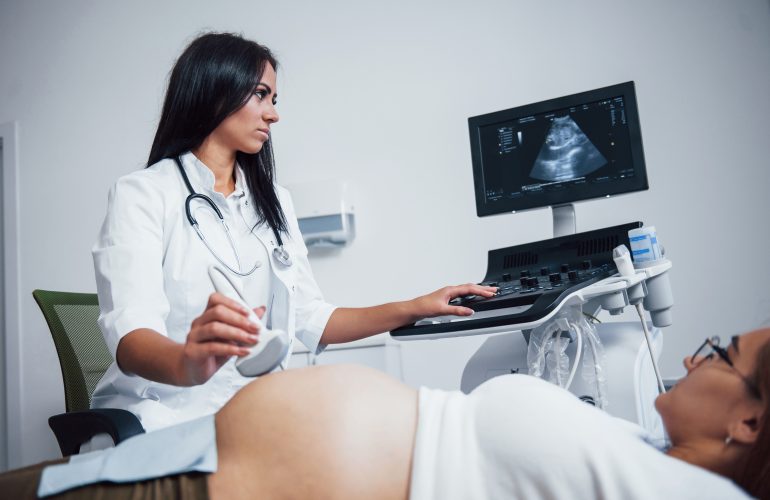
| Ultrasound | Detect fibroids or abnormalities |
| Pap Smear | Screen for cervical changes |
| Endometrial Biopsy | Examine uterine lining |
| Hysteroscopy | View inside the uterus |
Treatment Options for Heavy Menstrual Bleeding
Treatment depends on the underlying cause, severity, age, and future pregnancy plans.
1. Medications
Hormonal Birth Control
Birth control pills, hormonal IUDs, or injections may regulate periods and reduce bleeding.
Tranexamic Acid
This medication helps reduce menstrual blood loss.
NSAIDs
Pain relievers like ibuprofen may reduce cramps and bleeding.
Iron Supplements
Women with anemia may require iron therapy.
Surgical Treatment Options
In severe cases, surgical procedures may be recommended.
Endometrial Ablation
This procedure removes the uterine lining to reduce bleeding.
Myomectomy
Fibroids are surgically removed while preserving the uterus.
Hysterectomy
Removal of the uterus may be considered in severe cases when other treatments fail.
Lifestyle Tips to Manage Heavy Menstrual Bleeding
While medical treatment is important, lifestyle changes can also help manage symptoms.
Eat an Iron-Rich Diet
Foods rich in iron include:
- Spinach
- Lentils
- Red meat
- Beans
- Beetroot
Stay Hydrated
Drinking enough fluids supports circulation and energy levels.
Exercise Regularly
Moderate exercise may help balance hormones and improve circulation.
Manage Stress
Stress can affect hormonal balance and menstrual health.
Helpful stress-management techniques include:
- Yoga
- Meditation
- Deep breathing exercises
- Adequate sleep
Can Heavy Menstrual Bleeding Cause Complications?
Yes, untreated heavy bleeding can lead to several health problems.
Iron Deficiency Anemia
Excessive blood loss can lower iron levels, causing:
- Fatigue
- Weakness
- Pale skin
- Rapid heartbeat
Chronic Pain
Conditions like endometriosis and adenomyosis may lead to ongoing pelvic pain.
Fertility Problems
Some underlying causes may affect fertility if untreated.
Myths About Heavy Menstrual Bleeding
Myth 1: Heavy Periods Are Always Normal
Fact: While some variation exists, excessive bleeding may signal a medical issue.
Myth 2: Heavy Bleeding Is Part of Aging
Fact: Menstrual changes during aging should still be medically evaluated.
Myth 3: You Must Live With It
Fact: Effective treatments are available for most causes of heavy menstrual bleeding.
How to Track Your Menstrual Health
Tracking your periods can help identify abnormalities early.
You can monitor:
- Cycle length
- Bleeding intensity
- Clot size
- Pain levels
- Mood changes
Period-tracking apps or journals can be useful tools.
Preventive Measures for Menstrual Health
Although not all causes can be prevented, healthy habits may reduce risk.
Maintain a Healthy Weight
Obesity can contribute to hormonal imbalance.
Schedule Regular Gynecological Checkups
Routine screenings help detect issues early.
Follow Medical Advice
Take prescribed medications as directed and attend follow-up visits.
Is Heavy Menstrual Bleeding Normal in Young Women?
Heavy periods in teenagers are common during the first few years after menstruation starts. However, excessive bleeding should still be evaluated if it causes:
- Missed school
- Fatigue
- Severe pain
- Frequent pad changes
Early diagnosis can prevent long-term complications.
Is Heavy Menstrual Bleeding Normal After 40?
Women over 40 may experience hormonal changes related to perimenopause. However, heavy bleeding can also be linked to:
- Fibroids
- Polyps
- Endometrial hyperplasia
- Cancer risk
Women in this age group should not ignore abnormal bleeding.
Importance of Seeking Early Medical Care
Ignoring heavy menstrual bleeding may worsen underlying conditions over time. Early diagnosis allows for:
- Better treatment outcomes
- Reduced complications
- Improved quality of life
- Protection of fertility
Timely medical attention is essential for long-term reproductive health.
Why Choose Aayush Hospital for Women’s Health Care?
At Aayush Hospital, women receive comprehensive gynecological care with a patient-focused approach. The hospital offers:
- Experienced gynecologists
- Advanced diagnostic facilities
- Personalized treatment plans
- Minimally invasive procedures
- Compassionate women’s healthcare support
The team focuses on accurate diagnosis and effective management of menstrual disorders to help women maintain optimal reproductive health.
Conclusion
So, is heavy menstrual bleeding normal? While occasional changes in menstrual flow can happen due to hormonal fluctuations or lifestyle factors, consistently heavy or prolonged bleeding should never be ignored. Heavy menstrual bleeding may indicate underlying conditions such as fibroids, hormonal imbalance, endometriosis, or other gynecological issues.
Seeking medical care at the right time can prevent complications and improve overall quality of life. Women should feel empowered to discuss menstrual concerns openly and seek professional evaluation when symptoms interfere with daily activities.
If you or someone you know is experiencing unusually heavy periods, consult a qualified gynecologist for proper diagnosis and treatment. Early care can make a significant difference in women’s health and well-being.
Contact Details: