
Introduction
Kidney disease is a serious health condition affecting millions of people worldwide. In women, kidney disease symptoms often present differently and may be overlooked or mistaken for other conditions. Early detection is vital to prevent progression to chronic kidney disease (CKD) or kidney failure.
This comprehensive guide explains kidney disease symptoms in females, the causes, risk factors, diagnostic steps, treatment options, and how women can protect their kidney health.
Understanding the Kidneys and Their Function
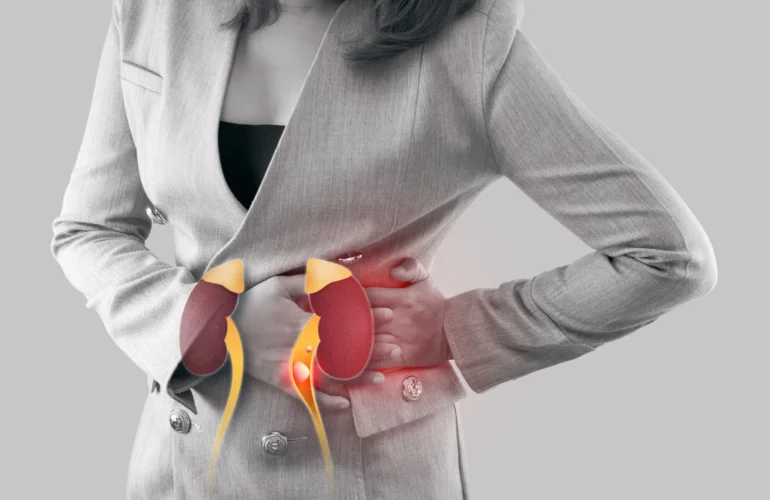
The kidneys are two bean-shaped organs located on either side of your spine just below the rib cage. They play a crucial role in:
- Filtering blood to remove waste and excess fluid
- Balancing electrolytes (like sodium and potassium)
- Regulating blood pressure
- Producing hormones that support bone health and red blood cell production
When kidneys don’t function properly, waste products and fluids can build up, leading to symptoms affecting multiple systems in the body.
What Is Kidney Disease?
Kidney disease refers to any condition that damages the kidneys and reduces their ability to filter blood effectively. It can be acute (sudden onset) or chronic (long-term). Chronic kidney disease (CKD) is more common and may progress slowly, making early symptoms subtle or easy to miss, especially in women.
Why Focus on Kidney Disease Symptoms in Females?
Women experience unique physiological changes due to menstrual cycles, pregnancy, hormonal shifts, and menopause. These changes can influence how symptoms present and how kidney disease progresses.
Common reasons to highlight kidney disease symptoms in females include:
- Women have a higher prevalence of urinary tract infections (UTIs), which can spread to the kidneys
- Hormonal factors like estrogen fluctuations affect renal function
- Pregnancy-related kidney stress
- Autoimmune diseases (e.g., lupus) are more common in females and often affect the kidneys
Understanding specific warning signs can lead to earlier diagnosis and better outcomes.
Early Kidney Disease Symptoms in Females
Early symptoms may be mild or non-specific. Women might attribute them to stress, lifestyle factors, or hormonal changes. However, persistent signs should prompt medical evaluation.
Common Early Symptoms
- Changes in Urination:
- Frequent urination, especially at night (nocturia)
- Urine that appears foamy or bubbles (protein in urine)
- Dark-colored or bloody urine
- Pain or burning sensation during urination
- Fatigue and Low Energy
- Persistent tiredness
- Difficulty concentrating
- Feeling weak even with adequate rest
- Swelling (Edema)
- Puffiness in the hands, feet, ankles, or around the eyes
- Mild Back Pain
- Dull ache near the lower back or flank area (where kidneys are located)
- Loss of Appetite and Weight Changes
- Reduced desire to eat
- Unexplained weight loss
- Abnormal Blood Pressure
- Elevated or uncontrolled hypertension
Advanced Kidney Disease Symptoms in Females
As kidney function continues to decline, symptoms become more pronounced and affect additional systems.
Advanced Symptoms Include:
- Severe swelling (especially in legs and face)
- Persistent nausea and vomiting
- Shortness of breath
- Chest pain or pressure
- Muscle cramps
- Headaches
- Itchy skin or rashes
- Metallic taste in the mouth
- Increased or decreased urination patterns
- Cognitive symptoms (difficulty concentrating or memory issues)
These signs may suggest significant kidney impairment and should be evaluated urgently.
Kidney Disease Symptoms in Females vs. Males
Kidney disease affects both sexes but may present differently:
| Symptom Category | Females (Often Reported) | Males (Often Reported) |
| Urinary Symptoms | UTIs, pain during urination | Frequent urination, prostate issues |
| Hormonal Influences | Menstrual changes, pregnancy | Less hormonal impact |
| Mental Fatigue | Anxiety, depression potential | More physical symptoms |
| Edema Pattern | Lower legs, around eyes | Lower extremities |
| Risk of Complications | UTIs → kidney infections | Prostate enlargement effects |
Note: Both sexes may experience overlapping symptoms, but the patterns can vary due to anatomical and hormonal differences.
Key Risk Factors for Kidney Disease in Females
Women with certain conditions are at higher risk of developing kidney disease. Common risk factors include:
Major Risk Factors
- Diabetes mellitus
- Hypertension (high blood pressure)
- Recurrent urinary tract infections
- Autoimmune diseases (e.g., lupus nephritis)
- Family history of kidney disease
- Long-term use of pain relievers or NSAIDs
- Obesity
- Smoking
- Pregnancy-related complications (preeclampsia, gestational diabetes)
When to See a Doctor
Prompt evaluation is essential if you notice any symptoms that linger for more than a few days or worsen over time. Seek medical attention if you experience:
- Persistent changes in urination
- Severe fatigue not explained by rest
- Swelling that doesn’t resolve
- Uncontrolled high blood pressure
- Significant pain in the back/side
- Sudden weight changes
- Blood in urine
Early diagnosis can drastically improve outcomes and prevent progression.
Diagnosing Kidney Disease
If kidney disease is suspected, your doctor may perform several tests:
Common Diagnostic Tests
- Blood Tests:
- Serum creatinine
- Estimated Glomerular Filtration Rate (eGFR)
- Blood urea nitrogen (BUN)
- Urine Tests:
- Urinalysis (detects protein, blood, and infections)
- Urine protein-to-creatinine ratio
- Imaging Studies:
- Ultrasound
- CT scan
- MRI (as needed)
- Kidney Biopsy:
- To identify specific types of kidney disease
Treatment Options for Kidney Disease in Females
Treatment depends on the underlying cause, severity, and overall health. It may include:
Medical Management
- Blood pressure control: Using ACE inhibitors or ARBs
- Blood sugar control: For diabetic patients
- Diuretics: To reduce swelling
- Antibiotics: For kidney infections
- Medications to correct electrolyte balance
Lifestyle Modifications
- Healthy diet: Low sodium, balanced proteins
- Hydration: Adequate fluid intake
- Weight management
- Smoking cessation
- Regular physical activity
Advanced Interventions
- Dialysis: For advanced kidney failure
- Kidney transplant: When suitable
Preventing Kidney Disease in Females
Prevention strategies focus on controlling risk factors and adopting healthy habits.
Prevention Tips
- Monitor and control blood pressure
- Manage blood sugar levels if diabetic
- Treat UTIs promptly
- Eat a kidney-friendly diet
- Avoid excessive use of pain medications
- Maintain a healthy weight
- Stay active
- Get regular health check-ups
Lifestyle and Diet for Kidney Health
A diet that supports kidney function includes:
Kidney-Friendly Nutritional Recommendations
| Food Category | Recommended | Avoid / Limit |
| Fluids | Water | Sugary drinks, sodas |
| Proteins | Lean meats, legumes | Excess red meat |
| Sodium | Fresh foods | Processed & packaged foods |
| Potassium | Apples, berries | Bananas, oranges (if high) |
| Phosphorus | Vegetables | Dairy, cola drinks |
Note: Nutritional needs vary; consult a dietitian for a personalized plan.
Living with Kidney Disease: What to Expect
A kidney disease diagnosis doesn’t mean life ends. With proper care, many women continue fulfilling lives. Support includes:
- Regular follow-ups with a nephrologist
- Tracking lab results and symptoms
- Adjusting medications as needed
- Emotional and mental health support
- Support groups and counseling
FAQs About Kidney Disease Symptoms in Females
1. Can kidney disease cause menstrual changes?
Yes, kidney disease can affect hormonal balance and menstrual cycles, leading to irregular periods.
2. Are kidney disease symptoms in females always related to urination?
No. While urinary changes are common, symptoms like fatigue, swelling, and appetite changes are equally important.
3. Is pregnancy a risk factor?
Pregnancy complications like preeclampsia can damage kidneys and increase future risk.
4. Can stress cause kidney disease symptoms?
Stress does not directly cause kidney disease but can exacerbate symptoms like fatigue.
Conclusion
Understanding kidney disease symptoms in females is essential for early detection and effective management. Women should pay attention to changes in urinary habits, unexplained fatigue, swelling, and other subtle signs.
If you notice persistent symptoms or have risk factors like diabetes or hypertension, consult a healthcare provider immediately. Early evaluation can slow disease progression, preserve kidney function, and improve quality of life.
At Ayush Hospital, our experienced nephrology team provides comprehensive kidney care from early diagnosis to advanced management with a compassionate, patient-first approach.