

Urology

Kidney Disease Symptoms in Females – A Complete Guide for Early Detection and Care

Introduction

Kidney disease is a serious health condition affecting millions of people worldwide. In women, kidney disease symptoms often present differently and may be overlooked or mistaken for other conditions. Early detection is vital to prevent progression to chronic kidney disease (CKD) or kidney failure.

This comprehensive guide explains kidney disease symptoms in females, the causes, risk factors, diagnostic steps, treatment options, and how women can protect their kidney health.

Understanding the Kidneys and Their Function

The kidneys are two bean-shaped organs located on either side of your spine just below the rib cage. They play a crucial role in:

  • Filtering blood to remove waste and excess fluid 
  • Balancing electrolytes (like sodium and potassium) 
  • Regulating blood pressure 
  • Producing hormones that support bone health and red blood cell production 

When kidneys don’t function properly, waste products and fluids can build up, leading to symptoms affecting multiple systems in the body.

What Is Kidney Disease?

Kidney disease refers to any condition that damages the kidneys and reduces their ability to filter blood effectively. It can be acute (sudden onset) or chronic (long-term). Chronic kidney disease (CKD) is more common and may progress slowly, making early symptoms subtle or easy to miss, especially in women.

Why Focus on Kidney Disease Symptoms in Females?

Women experience unique physiological changes due to menstrual cycles, pregnancy, hormonal shifts, and menopause. These changes can influence how symptoms present and how kidney disease progresses.

Common reasons to highlight kidney disease symptoms in females include:

  • Women have a higher prevalence of urinary tract infections (UTIs), which can spread to the kidneys 
  • Hormonal factors like estrogen fluctuations affect renal function 
  • Pregnancy-related kidney stress 
  • Autoimmune diseases (e.g., lupus) are more common in females and often affect the kidneys 

Understanding specific warning signs can lead to earlier diagnosis and better outcomes.

Early Kidney Disease Symptoms in Females

Early symptoms may be mild or non-specific. Women might attribute them to stress, lifestyle factors, or hormonal changes. However, persistent signs should prompt medical evaluation.

Common Early Symptoms

  • Changes in Urination: 
    • Frequent urination, especially at night (nocturia) 
    • Urine that appears foamy or bubbles (protein in urine) 
    • Dark-colored or bloody urine 
    • Pain or burning sensation during urination 
  • Fatigue and Low Energy 
    • Persistent tiredness 
    • Difficulty concentrating 
    • Feeling weak even with adequate rest 
  • Swelling (Edema) 
    • Puffiness in the hands, feet, ankles, or around the eyes 
  • Mild Back Pain 
    • Dull ache near the lower back or flank area (where kidneys are located) 
  • Loss of Appetite and Weight Changes 
    • Reduced desire to eat 
    • Unexplained weight loss 
  • Abnormal Blood Pressure 
    • Elevated or uncontrolled hypertension

Advanced Kidney Disease Symptoms in Females

As kidney function continues to decline, symptoms become more pronounced and affect additional systems.

Advanced Symptoms Include:

  • Severe swelling (especially in legs and face) 
  • Persistent nausea and vomiting 
  • Shortness of breath 
  • Chest pain or pressure 
  • Muscle cramps 
  • Headaches 
  • Itchy skin or rashes 
  • Metallic taste in the mouth 
  • Increased or decreased urination patterns 
  • Cognitive symptoms (difficulty concentrating or memory issues) 

These signs may suggest significant kidney impairment and should be evaluated urgently.

Kidney Disease Symptoms in Females vs. Males

Kidney disease affects both sexes but may present differently:

Symptom Category Females (Often Reported) Males (Often Reported)
Urinary Symptoms UTIs, pain during urination Frequent urination, prostate issues
Hormonal Influences Menstrual changes, pregnancy Less hormonal impact
Mental Fatigue Anxiety, depression potential More physical symptoms
Edema Pattern Lower legs, around eyes Lower extremities
Risk of Complications UTIs → kidney infections Prostate enlargement effects

Note: Both sexes may experience overlapping symptoms, but the patterns can vary due to anatomical and hormonal differences.

Key Risk Factors for Kidney Disease in Females

Women with certain conditions are at higher risk of developing kidney disease. Common risk factors include:

Major Risk Factors

  • Diabetes mellitus 
  • Hypertension (high blood pressure) 
  • Recurrent urinary tract infections 
  • Autoimmune diseases (e.g., lupus nephritis) 
  • Family history of kidney disease 
  • Long-term use of pain relievers or NSAIDs 
  • Obesity 
  • Smoking 
  • Pregnancy-related complications (preeclampsia, gestational diabetes)

When to See a Doctor

Prompt evaluation is essential if you notice any symptoms that linger for more than a few days or worsen over time. Seek medical attention if you experience:

  • Persistent changes in urination 
  • Severe fatigue not explained by rest 
  • Swelling that doesn’t resolve 
  • Uncontrolled high blood pressure 
  • Significant pain in the back/side 
  • Sudden weight changes 
  • Blood in urine 

Early diagnosis can drastically improve outcomes and prevent progression.

Diagnosing Kidney Disease

If kidney disease is suspected, your doctor may perform several tests:

Common Diagnostic Tests

  • Blood Tests: 
    • Serum creatinine 
    • Estimated Glomerular Filtration Rate (eGFR) 
    • Blood urea nitrogen (BUN) 
  • Urine Tests: 
    • Urinalysis (detects protein, blood, and infections) 
    • Urine protein-to-creatinine ratio 
  • Imaging Studies: 
    • Ultrasound 
    • CT scan 
    • MRI (as needed) 
  • Kidney Biopsy: 
    • To identify specific types of kidney disease

Treatment Options for Kidney Disease in Females

Treatment depends on the underlying cause, severity, and overall health. It may include:

Medical Management

  • Blood pressure control: Using ACE inhibitors or ARBs 
  • Blood sugar control: For diabetic patients 
  • Diuretics: To reduce swelling 
  • Antibiotics: For kidney infections 
  • Medications to correct electrolyte balance 

Lifestyle Modifications

  • Healthy diet: Low sodium, balanced proteins 
  • Hydration: Adequate fluid intake 
  • Weight management 
  • Smoking cessation 
  • Regular physical activity 

Advanced Interventions

  • Dialysis: For advanced kidney failure 
  • Kidney transplant: When suitable

Preventing Kidney Disease in Females

Prevention strategies focus on controlling risk factors and adopting healthy habits.

Top Prevention Tips

  • Monitor and control blood pressure 
  • Manage blood sugar levels if diabetic 
  • Treat UTIs promptly 
  • Eat a kidney-friendly diet 
  • Avoid excessive use of pain medications 
  • Maintain a healthy weight 
  • Stay active 
  • Get regular health check-ups

Lifestyle and Diet for Kidney Health

A diet that supports kidney function includes:

Kidney-Friendly Nutritional Recommendations

Food Category Recommended Avoid / Limit
Fluids Water Sugary drinks, sodas
Proteins Lean meats, legumes Excess red meat
Sodium Fresh foods Processed & packaged foods
Potassium Apples, berries Bananas, oranges (if high)
Phosphorus Vegetables Dairy, cola drinks

Note: Nutritional needs vary; consult a dietitian for a personalized plan.

Living with Kidney Disease: What to Expect

A kidney disease diagnosis doesn’t mean life ends. With proper care, many women continue fulfilling lives. Support includes:

  • Regular follow-ups with a nephrologist 
  • Tracking lab results and symptoms 
  • Adjusting medications as needed 
  • Emotional and mental health support 
  • Support groups and counseling 

FAQs About Kidney Disease Symptoms in Females

1. Can kidney disease cause menstrual changes?

Yes, kidney disease can affect hormonal balance and menstrual cycles, leading to irregular periods.

2. Are kidney disease symptoms in females always related to urination?

No. While urinary changes are common, symptoms like fatigue, swelling, and appetite changes are equally important.

3. Is pregnancy a risk factor?

Pregnancy complications like preeclampsia can damage kidneys and increase future risk.

4. Can stress cause kidney disease symptoms?

Stress does not directly cause kidney disease but can exacerbate symptoms like fatigue.

Conclusion

Understanding kidney disease symptoms in females is essential for early detection and effective management. Women should pay attention to changes in urinary habits, unexplained fatigue, swelling, and other subtle signs.

If you notice persistent symptoms or have risk factors like diabetes or hypertension, consult a healthcare provider immediately. Early evaluation can slow disease progression, preserve kidney function, and improve quality of life.

At Ayush Hospital, our experienced nephrology team provides comprehensive kidney care from early diagnosis to advanced management with a compassionate, patient-first approach.
Urology

Symptoms of Liver Damage: Early Warning Signs You Should Not Ignore

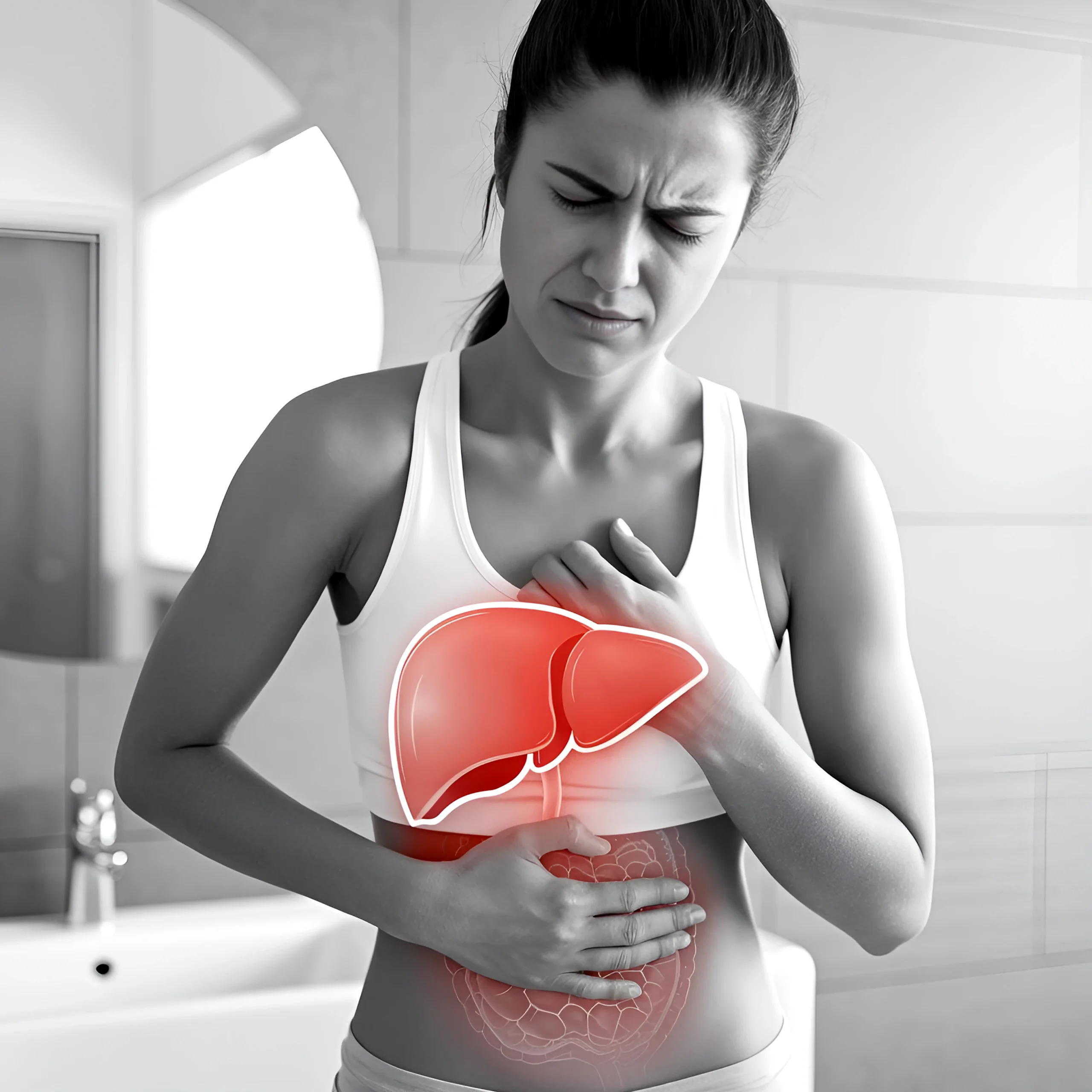
The liver is one of the most vital organs in the human body. It performs over 500 essential functions, including detoxifying harmful substances, producing bile for digestion, regulating blood sugar, and supporting immunity. However, liver disease often develops silently. Many patients do not recognize the symptoms of liver damage until the condition has progressed significantly.

Understanding the early and advanced symptoms of liver damage can help you seek timely medical care and prevent serious complications. In this comprehensive guide, we explain the warning signs, causes, stages, risk factors, and when to consult a specialist.

Why Early Detection of Symptoms of Liver Damage Matters

Liver damage can occur due to infections, alcohol misuse, fatty liver disease, medications, or autoimmune conditions. The liver has a remarkable ability to regenerate, but ongoing injury can eventually lead to permanent scarring (cirrhosis) or liver failure.

Early detection of symptoms of liver damage allows:

  • Timely treatment 
  • Prevention of complications 
  • Slowing or reversal of disease progression 
  • Better long-term outcomes 

Early Symptoms of Liver Damage

In the initial stages, symptoms may be mild or nonspecific. Many people mistake them for general fatigue or digestive problems.

Common Early Symptoms of Liver Damage

  • Persistent fatigue or weakness 
  • Loss of appetite 
  • Nausea or vomiting 
  • Mild abdominal discomfort (especially upper right side) 
  • Unexplained weight loss 
  • Bloating 
  • Dark urine 
  • Pale or clay-colored stools 

Why These Symptoms Occur

Symptom Underlying Cause
Fatigue Impaired detoxification and energy metabolism
Nausea Poor bile production affecting digestion
Dark urine Excess bilirubin in bloodstream
Pale stools Reduced bile reaching intestines

These early symptoms of liver damage may appear gradually and should not be ignored, especially in high-risk individuals.

Advanced Symptoms of Liver Damage

As liver damage progresses, symptoms become more obvious and serious.

1. Jaundice

One of the most recognizable symptoms of liver damage is jaundice, yellowing of the skin and eyes. It occurs when bilirubin accumulates in the bloodstream due to impaired liver function.

Signs of Jaundice:

  • Yellow skin 
  • Yellow sclera (whites of the eyes) 
  • Dark urine 
  • Itchy skin

2. Swelling (Edema and Ascites)

When the liver fails to produce enough proteins like albumin, fluid accumulates in the body.

  • Swelling in legs and ankles (edema) 
  • Fluid buildup in abdomen (ascites) 

Ascites may cause:

  • Abdominal distension 
  • Shortness of breath 
  • Discomfort while sitting or lying down

3. Easy Bruising and Bleeding

The liver produces clotting factors. Damage reduces their production, leading to:

  • Frequent nosebleeds 
  • Easy bruising 
  • Bleeding gums 
  • Prolonged bleeding from minor cuts

4. Mental Confusion (Hepatic Encephalopathy)

Severe liver damage leads to toxin buildup in the blood, affecting brain function.

Symptoms include:

  • Confusion 
  • Memory problems 
  • Mood changes 
  • Difficulty concentrating 
  • Drowsiness 
  • Slurred speech 

This is a medical emergency and requires immediate treatment.

5. Severe Itching (Pruritus)

Chronic itching without rash is one of the lesser-known symptoms of liver damage. It occurs due to bile salt accumulation in the bloodstream.

Symptoms of Liver Damage Based on Stage

Liver disease progresses in stages. Recognizing symptoms at each stage is critical.

Stage Condition Common Symptoms
Stage 1 Inflammation Fatigue, mild abdominal pain
Stage 2 Fibrosis Persistent fatigue, digestive issues
Stage 3 Cirrhosis Jaundice, swelling, bleeding tendency
Stage 4 Liver Failure Confusion, severe swelling, multi-organ complications

Common Causes Behind Symptoms of Liver Damage

Understanding the root cause helps guide treatment.

1. Fatty Liver Disease

  • Non-alcoholic fatty liver disease (NAFLD) 
  • Alcohol-related liver disease 

2. Viral Hepatitis

  • Hepatitis A 
  • Hepatitis B 
  • Hepatitis C 

3. Alcohol Abuse

Excessive alcohol intake is a leading cause of chronic liver damage.

4. Medication Toxicity

Long-term or high-dose use of certain medications can harm the liver.

5. Autoimmune Liver Disease

The immune system attacks liver cells.

6. Metabolic Disorders

Conditions like diabetes and obesity increase liver disease risk.

Risk Factors for Liver Damage

You may be at higher risk if you:

  • Consume alcohol regularly 
  • Are overweight or obese 
  • Have diabetes 
  • Have a history of hepatitis 
  • Use intravenous drugs 
  • Have a family history of liver disease 
  • Take certain medications long-term

When to Seek Medical Help

Consult a doctor immediately if you notice:

✔ Yellowing of skin or eyes
✔ Severe abdominal pain
✔ Persistent vomiting
✔ Swelling in abdomen
✔ Confusion or altered consciousness
✔ Blood in vomit or stool

These may indicate advanced symptoms of liver damage requiring urgent medical attention.

How Liver Damage Is Diagnosed

Early detection improves treatment success.

Diagnostic Tests Include:

  • Blood Tests (Liver Function Tests – LFTs) 
  • Ultrasound Abdomen 
  • CT Scan or MRI 
  • FibroScan 
  • Liver Biopsy (if needed) 
Test Purpose
LFT Measures liver enzymes and bilirubin
Ultrasound Detects fatty liver or structural changes
FibroScan Measures liver stiffness
Biopsy Confirms severity of damage

Can Liver Damage Be Reversed?

The liver can regenerate if damage is detected early.

Reversible Conditions:

  • Fatty liver disease 
  • Mild hepatitis 
  • Early-stage fibrosis 

Irreversible Conditions:

  • Advanced cirrhosis 
  • End-stage liver failure 

Early recognition of symptoms of liver damage significantly increases the chances of recovery.

Prevention: Protecting Your Liver

You can reduce the risk of liver damage with lifestyle changes.

Healthy Habits for Liver Protection

  • Limit alcohol consumption 
  • Maintain healthy body weight 
  • Eat a balanced diet 
  • Exercise regularly 
  • Get vaccinated for hepatitis A and B 
  • Avoid self-medication 
  • Practice safe hygiene and safe sex

Diet Tips to Support Liver Health

A liver-friendly diet includes:

Recommended Foods:

  • Leafy green vegetables 
  • Fruits rich in antioxidants 
  • Whole grains 
  • Lean protein 
  • Healthy fats (olive oil, nuts) 

Avoid:

  • Processed foods 
  • Excess sugar 
  • Deep-fried items 
  • Excess alcohol

Frequently Asked Questions (FAQs)

1. What are the first symptoms of liver damage?

Fatigue, nausea, appetite loss, and mild abdominal pain are common early signs.

2. Can liver damage occur without symptoms?

Yes, especially in early stages like fatty liver disease.

3. How long does it take for liver damage to show symptoms?

It varies depending on the cause and severity. Some conditions progress silently for years.

4. Is liver damage always permanent?

No. Early-stage damage can often be reversed with proper treatment and lifestyle changes.

Why Choose Aayush Hospital for Liver Care?

At Aayush Hospital, we provide:

  • Advanced diagnostic facilities 
  • Expert gastroenterologists and hepatologists 
  • Comprehensive liver screening programs 
  • Personalized treatment plans 
  • Multidisciplinary care approach 

Our goal is early detection and effective management of symptoms of liver damage to prevent complications and improve quality of life.

Conclusion

The symptoms of liver damage can range from mild fatigue to life-threatening complications like liver failure. Because early signs are often subtle, many patients delay seeking care. Recognizing warning signs such as jaundice, abdominal swelling, unexplained fatigue, and easy bruising can make a critical difference.

If you or a loved one experiences any symptoms suggestive of liver disease, consult a qualified specialist without delay. Early intervention saves lives.

For expert evaluation and compassionate care, trust Aayush Hospital, your partner in liver health.

Urology

What Is the First Sign of Kidney Problems? Early Symptoms You Should Not Ignore

Kidneys play a vital role in filtering waste, balancing fluids, and maintaining overall health. When kidney function begins to decline, the body often gives early warning signals. Understanding what is the first sign of kidney problems can help with early diagnosis, timely treatment, and prevention of long-term damage.

Kidney disease often develops silently, and many patients do not experience pain in the early stages. This makes awareness of early symptoms extremely important.

What Is the First Sign of Kidney Problems?

The most common and earliest sign of kidney problems is a change in urination. Because kidneys are directly responsible for urine production, even minor kidney dysfunction often affects urination patterns.

Changes in Urination: The Earliest Warning Sign

Changes in urine are usually the first noticeable sign of kidney problems. These may include:

  • Urinating more frequently, especially at night
  • Producing less urine than usual
  • Foamy or bubbly urine (indicating protein leakage)
  • Dark, cloudy, or bloody urine
  • Pain or burning sensation while urinating

Foamy urine is particularly important, as it may indicate early kidney damage due to protein loss.

Other Early Signs of Kidney Problems

In addition to urination changes, several other early symptoms may appear as kidney function declines.

1. Persistent Fatigue and Weakness

When kidneys fail to remove toxins efficiently, waste builds up in the blood. This can cause:

  • Constant tiredness
  • Low energy levels
  • Difficulty concentrating
  • Feeling weak despite adequate rest

Fatigue is often overlooked but may be one of the earliest signs of kidney disease.

2. Swelling in Feet, Ankles, or Face

Healthy kidneys maintain fluid balance. When kidney function is impaired, excess fluid accumulates in the body, leading to:

  • Swelling in ankles and feet
  • Puffiness around the eyes
  • Swelling in hands or face

This swelling is medically known as edema and should not be ignored.

3. Changes in Urine Color or Smell

Kidney problems may cause urine to appear:

  • Very pale or unusually dark
  • Pink or red due to blood
  • Strong-smelling or cloudy

Any persistent change in urine appearance warrants medical evaluation.

4. Loss of Appetite and Nausea

As toxins build up in the bloodstream, digestive symptoms may occur, including:

  • Loss of appetite
  • Nausea or vomiting
  • Metallic taste in the mouth

These symptoms often appear in early-to-moderate kidney disease.

5. Lower Back or Flank Pain

Pain on either side of the lower back may indicate:

  • Kidney infection
  • Kidney stones
  • Blockage in urine flow

While not always the first sign, persistent flank pain should be medically evaluated.

Early vs Advanced Signs of Kidney Problems

Early Signs Advanced Signs
Changes in urination Very little or no urine
Foamy urine Severe swelling
Fatigue Shortness of breath
Mild swelling Chest pain
Appetite loss Confusion or drowsiness

Recognizing early signs can prevent progression to advanced kidney disease.

Who Is at Higher Risk of Kidney Problems?

Certain individuals are more likely to develop kidney disease and should monitor symptoms closely:

  • People with diabetes
  • Patients with high blood pressure
  • Those with a family history of kidney disease
  • Long-term use of painkillers
  • Heart disease patients
  • Individuals above 50 years of age

Regular health check-ups are crucial for high-risk groups.

When Should You See a Doctor?

You should consult a doctor if you notice:

  • Persistent changes in urination
  • Foamy or bloody urine
  • Unexplained swelling
  • Ongoing fatigue or weakness

Early medical intervention can slow or even prevent kidney damage.

How Are Kidney Problems Detected Early?

Doctors may recommend the following tests:

  • Urine examination
  • Blood tests (creatinine and eGFR)
  • Blood pressure monitoring
  • Ultrasound or imaging if needed

Early diagnosis allows better management and improved outcomes.

Conclusion

Understanding what is the first sign of kidney problems can make a significant difference in long-term health. Changes in urination especially foamy urine, altered frequency, or unusual color are often the earliest warning signs. Fatigue, swelling, and appetite changes may also appear early.

Kidney disease is often silent in its early stages, but timely detection and treatment can slow progression and prevent complications. If you notice persistent symptoms, consult a healthcare professional without delay.

Urology

Diet for Kidney Stone Patients

Introduction to Kidney Stones and Their Impact on Health

Kidney stones, or renal stones, are hard deposits of minerals and salts that form in the kidneys. These stones can range in size from tiny grains to larger masses and can cause significant pain and discomfort. The formation of kidney stones is often linked to poor hydration, dietary factors, and certain medical conditions.

Diet plays a crucial role in both preventing and managing kidney stones. If you are a kidney stone patient, adjusting your diet can help reduce the recurrence of stones and alleviate symptoms. In this article, we will explore the most effective dietary practices for kidney stone patients, including which foods to avoid, which foods to include, and how proper hydration can aid in the prevention and management of kidney stones.

What Causes Kidney Stones?

Before diving into the diet recommendations, it is important to understand the types and causes of kidney stones. There are several types of kidney stones, and each type can be influenced by diet in different ways:

  • Calcium Oxalate Stones: The most common type of kidney stone, formed when calcium combines with oxalate. 
  • Uric Acid Stones: Form when there is too much uric acid in the urine, often related to high purine intake (from meats and seafood). 
  • Struvite Stones: Often caused by urinary tract infections, these stones are less common. 
  • Cystine Stones: Rare stones that form due to a genetic disorder called cystinuria. 

Knowing which type of kidney stone you have is crucial for adjusting your diet appropriately.

The Role of Diet in Managing Kidney Stones

Diet plays a significant role in managing kidney stones. A poor diet can contribute to the formation of new stones, while a well-balanced, kidney-friendly diet can help reduce the risk of recurrence. Let’s break down the essential dietary guidelines for kidney stone patients.

Key Dietary Principles for Kidney Stone Patients

1. Increase Fluid Intake

Hydration is one of the most important factors in preventing kidney stones. Drinking plenty of fluids helps dilute the substances in urine that form stones. The goal is to produce at least 2.5 liters (about 85 ounces) of urine daily.

Tips to Stay Hydrated:

  • Drink water consistently throughout the day. 
  • Aim for clear or light-colored urine (dark yellow urine indicates dehydration). 
  • Include hydrating drinks like herbal teas or infused water (with lemon, cucumber, etc.). 

2. Moderate Calcium Intake

Contrary to popular belief, calcium-rich foods do not cause kidney stones. In fact, moderate calcium intake can help prevent the formation of calcium oxalate stones. However, excessive calcium supplements can increase the risk of stone formation.

Recommended Foods Rich in Calcium:

  • Dairy products (milk, yogurt, cheese) 
  • Leafy greens (collard greens, spinach) 
  • Fortified plant-based milks (almond milk, soy milk) 
  • Fish (sardines, salmon with bones) 

Avoid Excessive Calcium Supplements:

  • Always consult with a doctor before taking calcium supplements. 

3. Limit Oxalate-Rich Foods

Oxalates are compounds found in certain foods that can bind with calcium to form kidney stones, particularly calcium oxalate stones. If you are prone to kidney stones, limiting foods high in oxalates is essential.

High-Oxalate Foods to Limit:

  • Spinach, beets, and Swiss chard 
  • Sweet potatoes and potatoes 
  • Nuts and seeds (especially almonds and peanuts) 
  • Chocolate and cocoa 
  • Tea (black and green) 

4. Reduce Sodium Intake

A high-sodium diet can increase calcium excretion in urine, raising the risk of kidney stones. Reducing salt intake is crucial for kidney stone prevention.

Sodium Guidelines:

  • Aim for no more than 2,300 mg of sodium per day (ideally 1,500 mg for those at higher risk of kidney stones). 
  • Avoid processed and packaged foods, fast food, and canned soups, which are often high in sodium. 
  • Use herbs and spices for flavor instead of salt. 

Sodium-Rich Foods to Avoid:

  • Processed meats (ham, bacon, sausages) 
  • Packaged snacks (chips, crackers) 
  • Canned vegetables and soups 
  • Fast food and restaurant meals 

5. Moderate Animal Protein Intake

High levels of animal protein, such as red meat, poultry, and seafood, can increase the risk of uric acid stones. A high-protein diet may also cause an increase in calcium and oxalate excretion.

Animal Protein to Limit:

  • Red meat (beef, lamb) 
  • Processed meats (hot dogs, sausages) 
  • Seafood (especially shellfish like shrimp and lobster) 

Plant-Based Proteins to Include:

  • Legumes (lentils, chickpeas, beans) 
  • Tofu and tempeh 
  • Nuts and seeds (in moderation) 

6. Increase Potassium-Rich Foods

Potassium helps balance the amount of calcium in urine, reducing the risk of stone formation. It also helps maintain proper hydration.

Foods High in Potassium:

  • Bananas, oranges, and melons 
  • Potatoes, sweet potatoes, and squash 
  • Tomatoes and spinach 
  • Beans (kidney beans, black beans) 
  • Yogurt and dairy products 

7. Limit High-Sugar and High-Fructose Foods

Excess sugar, especially from sugary drinks and processed foods, can increase the risk of kidney stones. High-fructose corn syrup can lead to an increase in urine calcium excretion, contributing to stone formation.

Foods to Avoid:

  • Sugary beverages (soda, energy drinks) 
  • Processed snacks (cookies, cakes, candies) 
  • Fast food and junk food 
  • High-fructose corn syrup-based products

Sample Kidney Stone-Friendly Meal Plan

Here’s a 1-day meal plan tailored to those managing kidney stones. It balances fluid intake, calcium, and oxalates while minimizing salt, animal protein, and sugar.

Meal Food Options
Breakfast Oatmeal with low-fat milk, topped with banana and chia seeds
Snack A handful of unsalted almonds and a cup of herbal tea
Lunch Grilled chicken salad with mixed greens (spinach, lettuce), cucumbers, and olive oil dressing
Snack Apple slices with a small serving of cottage cheese
Dinner Baked salmon with steamed broccoli, quinoa, and roasted sweet potatoes
Beverages Water, herbal tea, or a lemon-infused drink

This meal plan includes balanced protein sources, moderate calcium intake, and high-hydration foods, all while minimizing sodium and oxalates.

Foods to Include and Avoid for Kidney Stone Patients

Foods to Include:

  • Whole Grains: Brown rice, whole wheat bread, and quinoa provide fiber and support kidney health. 
  • Fruits: Berries (like blueberries and strawberries), apples, and citrus fruits are excellent for hydration and antioxidants. 
  • Vegetables: Cucumbers, celery, bell peppers, and zucchini help with hydration and are low in oxalates. 
  • Low-Fat Dairy: Incorporating moderate amounts of low-fat dairy products helps provide necessary calcium. 
  • Herbs and Spices: Use herbs like basil, cilantro, and turmeric to season food instead of salt. 

Foods to Avoid:

  • High-Oxalate Vegetables: Spinach, beets, and rhubarb should be consumed sparingly. 
  • Excessive Animal Proteins: Limit the intake of red meat and processed meats, which can increase the risk of stones. 
  • Sugary Drinks: Sodas, sweetened juices, and energy drinks should be avoided due to their high sugar content. 
  • High-Sodium Processed Foods: Canned soups, chips, and fast food should be minimized or eliminated.

Conclusion: Adopting a Kidney Stone-Friendly Diet

Managing kidney stones through diet involves a comprehensive approach that includes proper hydration, reducing sodium, balancing calcium intake, and limiting oxalates and animal proteins. By following these dietary guidelines, you can reduce your risk of developing kidney stones and promote long-term kidney health. Always consult with a healthcare provider or dietitian before making significant dietary changes, especially if you have a history of kidney stones or other medical conditions.

Adopting a kidney stone-friendly diet not only helps prevent stones but also supports overall well-being. Stay hydrated, focus on a balanced diet, and make informed food choices to keep your kidneys functioning optimally.