The liver is one of the most vital organs in the human body. It performs over 500 essential functions, including detoxifying harmful substances, producing bile for digestion, regulating blood sugar, and supporting immunity. However, liver disease often develops silently. Many patients do not recognize the symptoms of liver damage until the condition has progressed significantly.
Understanding the early and advanced symptoms of liver damage can help you seek timely medical care and prevent serious complications. In this comprehensive guide, we explain the warning signs, causes, stages, risk factors, and when to consult a specialist.
Why Early Detection of Symptoms of Liver Damage Matters
Liver damage can occur due to infections, alcohol misuse, fatty liver disease, medications, or autoimmune conditions. The liver has a remarkable ability to regenerate, but ongoing injury can eventually lead to permanent scarring (cirrhosis) or liver failure.
Early detection of symptoms of liver damage allows:
- Timely treatment
- Prevention of complications
- Slowing or reversal of disease progression
- Better long-term outcomes
Early Symptoms of Liver Damage
In the initial stages, symptoms may be mild or nonspecific. Many people mistake them for general fatigue or digestive problems.
Common Early Symptoms of Liver Damage
- Persistent fatigue or weakness
- Loss of appetite
- Nausea or vomiting
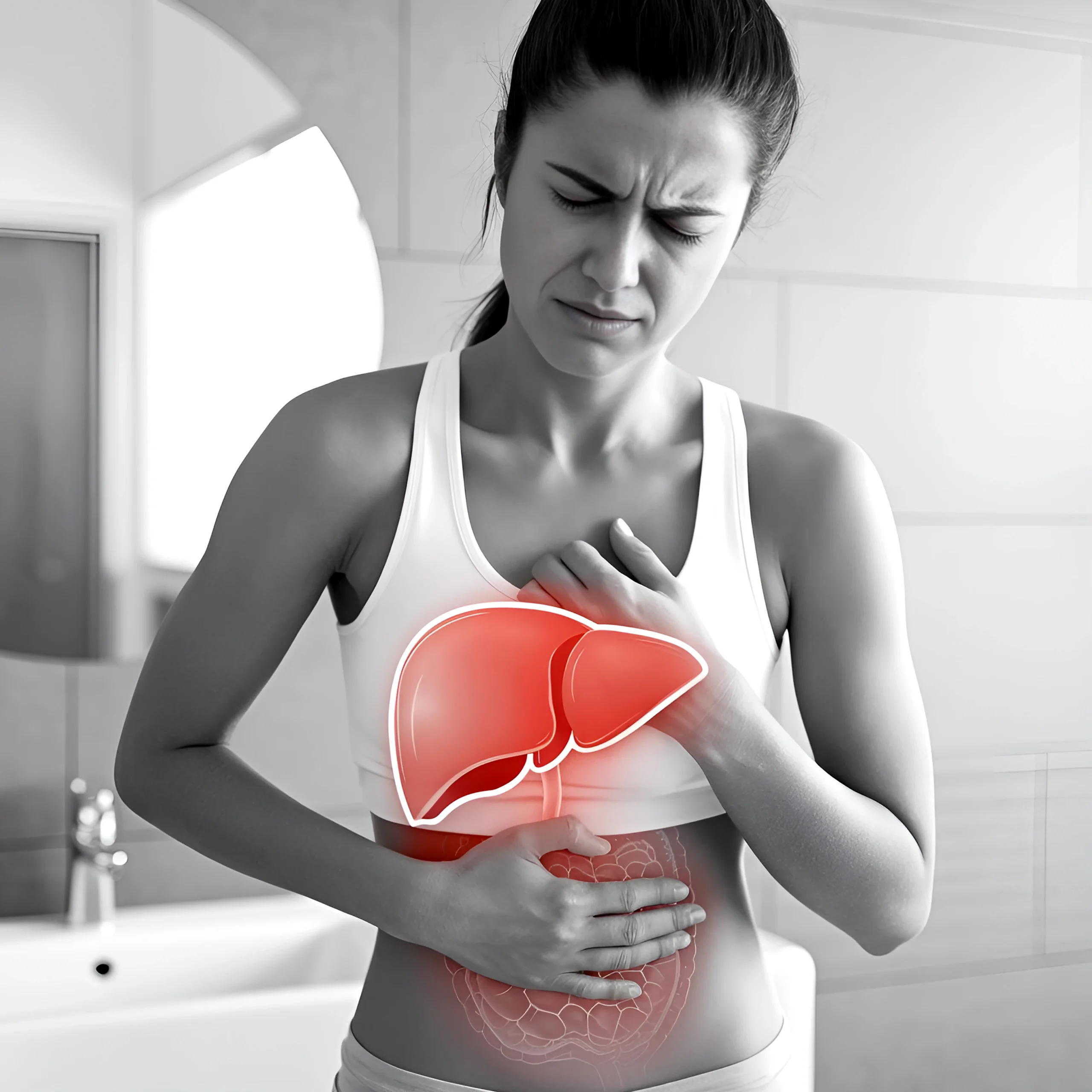
- Mild abdominal discomfort (especially upper right side)
- Unexplained weight loss
- Bloating
- Dark urine
- Pale or clay-colored stools
Why These Symptoms Occur
| Symptom | Underlying Cause |
| Fatigue | Impaired detoxification and energy metabolism |
| Nausea | Poor bile production affecting digestion |
| Dark urine | Excess bilirubin in bloodstream |
| Pale stools | Reduced bile reaching intestines |
These early symptoms of liver damage may appear gradually and should not be ignored, especially in high-risk individuals.
Advanced Symptoms of Liver Damage
As liver damage progresses, symptoms become more obvious and serious.
1. Jaundice
One of the most recognizable symptoms of liver damage is jaundice, yellowing of the skin and eyes. It occurs when bilirubin accumulates in the bloodstream due to impaired liver function.
Signs of Jaundice:
- Yellow skin
- Yellow sclera (whites of the eyes)
- Dark urine
- Itchy skin
2. Swelling (Edema and Ascites)
When the liver fails to produce enough proteins like albumin, fluid accumulates in the body.
- Swelling in legs and ankles (edema)
- Fluid buildup in abdomen (ascites)
Ascites may cause:
- Abdominal distension
- Shortness of breath
- Discomfort while sitting or lying down
3. Easy Bruising and Bleeding
The liver produces clotting factors. Damage reduces their production, leading to:
- Frequent nosebleeds
- Easy bruising
- Bleeding gums
- Prolonged bleeding from minor cuts
4. Mental Confusion (Hepatic Encephalopathy)
Severe liver damage leads to toxin buildup in the blood, affecting brain function.
Symptoms include:
- Confusion
- Memory problems
- Mood changes
- Difficulty concentrating
- Drowsiness
- Slurred speech
This is a medical emergency and requires immediate treatment.
5. Severe Itching (Pruritus)
Chronic itching without rash is one of the lesser-known symptoms of liver damage. It occurs due to bile salt accumulation in the bloodstream.
Symptoms of Liver Damage Based on Stage
Liver disease progresses in stages. Recognizing symptoms at each stage is critical.
| Stage | Condition | Common Symptoms |
| Stage 1 | Inflammation | Fatigue, mild abdominal pain |
| Stage 2 | Fibrosis | Persistent fatigue, digestive issues |
| Stage 3 | Cirrhosis | Jaundice, swelling, bleeding tendency |
| Stage 4 | Liver Failure | Confusion, severe swelling, multi-organ complications |
Common Causes Behind Symptoms of Liver Damage
Understanding the root cause helps guide treatment.
1. Fatty Liver Disease
- Non-alcoholic fatty liver disease (NAFLD)
- Alcohol-related liver disease
2. Viral Hepatitis
- Hepatitis A
- Hepatitis B
- Hepatitis C
3. Alcohol Abuse
Excessive alcohol intake is a leading cause of chronic liver damage.
4. Medication Toxicity
Long-term or high-dose use of certain medications can harm the liver.
5. Autoimmune Liver Disease
The immune system attacks liver cells.
6. Metabolic Disorders
Conditions like diabetes and obesity increase liver disease risk.
Risk Factors for Liver Damage
You may be at higher risk if you:
- Consume alcohol regularly
- Are overweight or obese
- Have diabetes
- Have a history of hepatitis
- Use intravenous drugs
- Have a family history of liver disease
- Take certain medications long-term
When to Seek Medical Help
Consult a doctor immediately if you notice:
✔ Yellowing of skin or eyes
✔ Severe abdominal pain
✔ Persistent vomiting
✔ Swelling in abdomen
✔ Confusion or altered consciousness
✔ Blood in vomit or stool
These may indicate advanced symptoms of liver damage requiring urgent medical attention.
How Liver Damage Is Diagnosed
Early detection improves treatment success.
Diagnostic Tests Include:
- Blood Tests (Liver Function Tests – LFTs)
- Ultrasound Abdomen
- CT Scan or MRI
- FibroScan
- Liver Biopsy (if needed)
| Test | Purpose |
| LFT | Measures liver enzymes and bilirubin |
| Ultrasound | Detects fatty liver or structural changes |
| FibroScan | Measures liver stiffness |
| Biopsy | Confirms severity of damage |
Can Liver Damage Be Reversed?
The liver can regenerate if damage is detected early.
Reversible Conditions:
- Fatty liver disease
- Mild hepatitis
- Early-stage fibrosis
Irreversible Conditions:
- Advanced cirrhosis
- End-stage liver failure
Early recognition of symptoms of liver damage significantly increases the chances of recovery.
Prevention: Protecting Your Liver
You can reduce the risk of liver damage with lifestyle changes.
Healthy Habits for Liver Protection
- Limit alcohol consumption
- Maintain healthy body weight
- Eat a balanced diet
- Exercise regularly
- Get vaccinated for hepatitis A and B
- Avoid self-medication
- Practice safe hygiene and safe sex
Diet Tips to Support Liver Health
A liver-friendly diet includes:
Recommended Foods:
- Leafy green vegetables
- Fruits rich in antioxidants
- Whole grains
- Lean protein
- Healthy fats (olive oil, nuts)
Avoid:
- Processed foods
- Excess sugar
- Deep-fried items
- Excess alcohol
Frequently Asked Questions (FAQs)
1. What are the first symptoms of liver damage?
Fatigue, nausea, appetite loss, and mild abdominal pain are common early signs.
2. Can liver damage occur without symptoms?
Yes, especially in early stages like fatty liver disease.
3. How long does it take for liver damage to show symptoms?
It varies depending on the cause and severity. Some conditions progress silently for years.
4. Is liver damage always permanent?
No. Early-stage damage can often be reversed with proper treatment and lifestyle changes.
Why Choose Aayush Hospital for Liver Care?
At Aayush Hospital, we provide:
- Advanced diagnostic facilities
- Expert gastroenterologists and hepatologists
- Comprehensive liver screening programs
- Personalized treatment plans
- Multidisciplinary care approach
Our goal is early detection and effective management of symptoms of liver damage to prevent complications and improve quality of life.
Conclusion
The symptoms of liver damage can range from mild fatigue to life-threatening complications like liver failure. Because early signs are often subtle, many patients delay seeking care. Recognizing warning signs such as jaundice, abdominal swelling, unexplained fatigue, and easy bruising can make a critical difference.
If you or a loved one experiences any symptoms suggestive of liver disease, consult a qualified specialist without delay. Early intervention saves lives.
For expert evaluation and compassionate care, trust Aayush Hospital, your partner in liver health.