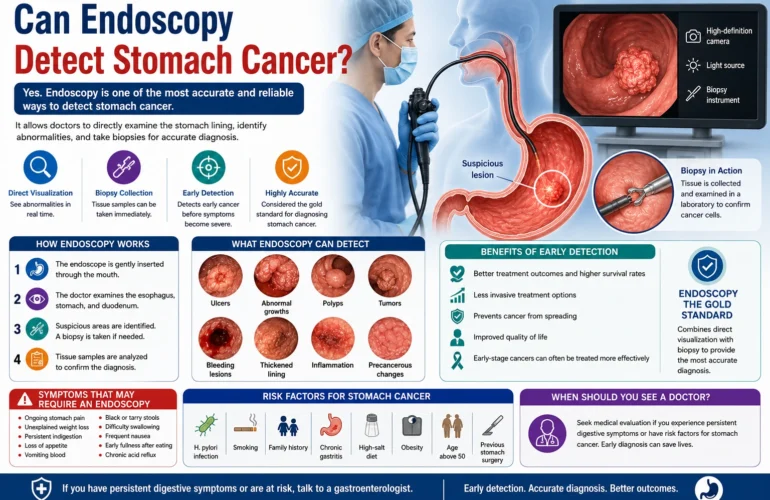

Digestive health plays an important role in overall well-being. The gastrointestinal system is responsible for digesting food, absorbing essential nutrients and eliminating waste from the body. When something affects the digestive tract, it can lead to a wide range of symptoms, from mild bloating and indigestion to persistent abdominal pain, diarrhoea or changes in bowel movements.
Gastrointestinal symptoms are common and can occur for many different reasons. Some may be temporary and related to diet, infections or changes in routine, while persistent symptoms may sometimes indicate an underlying digestive condition that requires medical evaluation.
Understanding common gastrointestinal symptoms, their possible causes and the warning signs that should not be ignored can help you seek appropriate medical care at the right time.
What Are Gastrointestinal Symptoms?
Gastrointestinal symptoms are signs or changes associated with the digestive system. The gastrointestinal tract includes the oesophagus, stomach, small intestine, large intestine, rectum and anus. The liver, gallbladder and pancreas also play important roles in digestion.
Symptoms can affect different parts of the digestive system and may vary from person to person. Some people may experience a single symptom, while others may have several symptoms at the same time.
Common gastrointestinal symptoms include:
- Abdominal or stomach pain
- Bloating and excessive gas
- Indigestion
- Heartburn and acid reflux
- Nausea
- Vomiting
- Diarrhoea
- Constipation
- Changes in bowel movements
- Changes in stool colour or consistency
- Loss of appetite
- Feeling full quickly
- Difficulty swallowing
- Blood in the stool
- Unexplained weight loss
The presence of one symptom does not necessarily indicate a specific disease. Doctors generally consider the type, duration, severity and combination of symptoms before determining the possible cause.
Common Gastrointestinal Symptoms
Abdominal Pain
Abdominal pain is one of the most frequently reported gastrointestinal symptoms. It can occur in different areas of the abdomen and may feel sharp, dull, burning, cramping or aching.
The location and nature of the pain can sometimes provide useful information about its possible cause. For example, discomfort in the upper abdomen may occur with indigestion, gastritis or peptic ulcers, while abdominal pain associated with changes in bowel habits can occur with conditions such as irritable bowel syndrome.
Occasional mild abdominal discomfort may not be a cause for concern. However, severe, persistent or recurrent abdominal pain should be evaluated by a healthcare professional, particularly if it occurs with vomiting, fever, bleeding or unexplained weight loss.
Bloating and Excessive Gas
Bloating is a feeling of fullness, pressure or swelling in the abdomen. It may occur after meals or may continue throughout the day.
Eating too quickly, consuming certain foods, constipation and excessive intestinal gas can contribute to bloating. Some people may also experience persistent bloating because of food intolerances or gastrointestinal conditions such as irritable bowel syndrome.
Occasional bloating is common, but persistent or recurrent bloating accompanied by abdominal pain, vomiting, changes in bowel habits or unexplained weight loss should be discussed with a doctor.
Heartburn and Acid Reflux
Heartburn is usually experienced as a burning sensation behind the breastbone. It can occur when stomach contents flow back into the oesophagus, a process known as acid reflux.
Occasional acid reflux may happen after eating a large meal or consuming foods that trigger symptoms. However, frequent reflux may be associated with gastroesophageal reflux disease (GERD).
People with GERD may experience:
- Frequent heartburn
- Regurgitation of food or acidic contents
- Chest discomfort
- Nausea
- Difficulty swallowing
- Chronic cough or throat irritation in some cases
Persistent heartburn or difficulty swallowing should be medically evaluated rather than managed repeatedly through self-medication.
Nausea and Vomiting
Nausea is the uncomfortable sensation that you may need to vomit, while vomiting involves the forceful emptying of stomach contents.
These symptoms can occur because of gastrointestinal infections, food poisoning, indigestion, gastritis, reflux, medication side effects and several other conditions.
Occasional nausea may resolve on its own, but repeated vomiting can result in dehydration and electrolyte disturbances. Medical attention is particularly important when vomiting is persistent, contains blood, occurs with severe abdominal pain or prevents a person from keeping fluids down.
Diarrhoea
Diarrhoea refers to loose or watery stools that occur more frequently than usual. It may develop suddenly or continue for a longer period depending on its underlying cause.
Acute diarrhoea is commonly associated with gastrointestinal infections, contaminated food or water and certain medications. Persistent diarrhoea, however, may have other causes, including food intolerances, irritable bowel syndrome and inflammatory bowel disease.
Diarrhoea may also be accompanied by abdominal cramps, nausea, vomiting, fever or an urgent need to use the toilet.
One of the major concerns with prolonged diarrhoea is dehydration. Drinking adequate fluids is important, but persistent diarrhoea should be evaluated to identify and treat the underlying cause.
Constipation
Constipation is another common gastrointestinal symptom. It may involve having fewer bowel movements than usual, passing hard or dry stools, straining during bowel movements or feeling that the bowel has not completely emptied.
Low fibre intake, inadequate fluid consumption, changes in routine, reduced physical activity and certain medications can contribute to constipation. It may also occur as part of certain gastrointestinal conditions.
Occasional constipation may improve with appropriate dietary and lifestyle changes. Persistent constipation, particularly when accompanied by abdominal pain, vomiting, rectal bleeding or unexplained weight loss, requires medical evaluation.
What Causes Gastrointestinal Symptoms?
There are many possible causes of gastrointestinal symptoms. Identifying the underlying cause is important because treatment depends on the specific condition.
Indigestion
Indigestion, also called dyspepsia, can cause upper abdominal discomfort, bloating, nausea, belching and a feeling of fullness during or after meals.
It may be associated with eating habits, certain medications, acid-related conditions or other gastrointestinal disorders.
Gastrointestinal Infections
Viral or bacterial infections can cause symptoms such as diarrhoea, vomiting, abdominal cramps and fever. Food poisoning is another common cause of sudden digestive symptoms.
Most short-term infections improve with appropriate supportive care, but severe symptoms or dehydration may require medical treatment.
Gastritis
Gastritis occurs when the stomach lining becomes inflamed or damaged. Some people may not experience symptoms, while others can develop upper abdominal discomfort, nausea, vomiting, loss of appetite or a feeling of fullness.
Certain infections, medicines and other factors may contribute to gastritis.
Peptic Ulcers
Peptic ulcers are sores that develop in the lining of the stomach or the first part of the small intestine. They can cause upper abdominal pain, nausea, bloating or early fullness.
Helicobacter pylori infection and certain pain-relieving medicines, particularly non-steroidal anti-inflammatory drugs (NSAIDs), are important causes of peptic ulcers.
Gastroesophageal Reflux Disease
GERD develops when stomach contents repeatedly flow back into the oesophagus. Frequent heartburn and regurgitation are common symptoms.
If reflux occurs regularly or causes complications, medical assessment and appropriate treatment may be necessary.
Irritable Bowel Syndrome
Irritable bowel syndrome (IBS) is a gastrointestinal disorder characterised by recurring abdominal pain and changes in bowel habits. Some people experience constipation, while others experience diarrhoea or alternating bowel patterns.
Bloating and changes in stool appearance may also occur.
Inflammatory Bowel Disease
Inflammatory bowel disease includes conditions such as Crohn’s disease and ulcerative colitis. These conditions can cause persistent gastrointestinal symptoms, including diarrhoea, abdominal pain and blood in the stool.
Some people may also experience fatigue, reduced appetite and unintended weight loss.
Gastrointestinal Symptoms That Should Not Be Ignored
Many digestive symptoms are temporary. However, certain symptoms can indicate a more serious problem and should be assessed promptly.
Seek medical attention if you experience:
- Severe or persistent abdominal pain
- Repeated vomiting
- Blood in vomit
- Blood in the stool
- Black or tar-like stools
- Persistent diarrhoea
- Long-lasting constipation
- Difficulty or pain while swallowing
- Unexplained weight loss
- Persistent loss of appetite
- Significant or recurring abdominal swelling
- Fever along with severe gastrointestinal symptoms
- Symptoms of dehydration
Black, tarry stools or vomiting blood can be signs of gastrointestinal bleeding and require urgent medical assessment.
How Are Gastrointestinal Symptoms Diagnosed?
When you visit a doctor with gastrointestinal symptoms, the evaluation generally begins with a detailed discussion about your symptoms and medical history.
Your doctor may ask about when the symptoms began, how often they occur, whether they are related to food, changes in bowel movements, medications you take and any previous digestive problems.
A physical examination may then be performed. Depending on the symptoms and suspected cause, the doctor may recommend additional investigations.
These can include:
| Diagnostic test | What it may help evaluate |
| Blood tests | Infection, inflammation, anaemia and other abnormalities |
| Stool tests | Infection, inflammation or blood in stool |
| Ultrasound | Certain abdominal organs and structural abnormalities |
| CT scan | Detailed evaluation of abdominal structures |
| MRI | Selected gastrointestinal and abdominal conditions |
| Upper GI endoscopy | Oesophagus, stomach and upper small intestine |
| Colonoscopy | Colon and rectum |
| Other specialised tests | Specific digestive or gastrointestinal disorders |
Not every person with gastrointestinal symptoms needs every test. The choice of investigation depends on the individual’s symptoms, medical history and clinical examination.
Treatment for Gastrointestinal Symptoms
Treatment for gastrointestinal symptoms depends on the underlying cause. Rather than treating only the symptom, doctors aim to identify and manage the condition responsible for it.
Depending on the diagnosis, treatment may include dietary changes, lifestyle modifications, medicines, treatment for infections, management of acid reflux, treatment for ulcers or inflammatory conditions, endoscopic procedures or surgery when required.
For example, treatment for an infection will differ from treatment for GERD, IBS or an inflammatory bowel condition. This is why persistent symptoms should not be repeatedly self-treated without medical advice.
Lifestyle Habits That Can Support Digestive Health
Healthy daily habits can support normal digestive function and may help reduce certain digestive complaints.
Some general measures include:
- Eat a balanced diet containing adequate fibre.
- Drink sufficient water throughout the day.
- Eat meals slowly and avoid overeating.
- Identify and limit foods that consistently trigger symptoms.
- Stay physically active.
- Follow good food hygiene practices.
- Avoid unnecessary use of medicines that can irritate the digestive system.
- Maintain a healthy body weight.
- Avoid smoking.
- Consult a doctor when symptoms persist or repeatedly return.
These measures are not a substitute for medical treatment when an underlying gastrointestinal condition is present.
When Should You Consult a Gastrointestinal Specialist?
You should consider consulting a doctor when gastrointestinal symptoms are persistent, recurrent, worsening or affecting your daily life.
A specialist evaluation may be particularly important if symptoms such as abdominal pain, diarrhoea, constipation, reflux, vomiting or bloating continue despite basic lifestyle measures.
Prompt evaluation is especially important when symptoms are associated with gastrointestinal bleeding, unexplained weight loss, severe pain, repeated vomiting or difficulty swallowing.
Early evaluation can help identify the underlying cause and prevent complications associated with some gastrointestinal conditions.
Frequently Asked Questions About Gastrointestinal Symptoms
What are the most common gastrointestinal symptoms?
The most common gastrointestinal symptoms include abdominal pain, bloating, gas, indigestion, heartburn, nausea, vomiting, diarrhoea, constipation and changes in bowel movements.
Can gastrointestinal symptoms be caused by stress?
Stress can influence the gut-brain connection and may worsen symptoms in some digestive disorders, including IBS and functional dyspepsia. However, persistent gastrointestinal symptoms should not automatically be attributed to stress without appropriate medical evaluation.
Is bloating a sign of a gastrointestinal problem?
Occasional bloating is common and can be related to diet, gas or constipation. Persistent or recurrent bloating, especially when accompanied by pain, vomiting, bowel changes or unexplained weight loss, should be evaluated by a doctor.
When is abdominal pain serious?
Abdominal pain should receive prompt medical attention when it is severe, sudden, persistent or accompanied by symptoms such as vomiting, fever, bleeding, fainting or unexplained weight loss.
Should blood in stool be checked by a doctor?
Yes. Blood in the stool can have several causes and should not be ignored. Black or tarry stools or significant bleeding require urgent medical evaluation.
Conclusion
Gastrointestinal symptoms can range from occasional indigestion and bloating to persistent abdominal pain, changes in bowel movements or gastrointestinal bleeding. While many digestive complaints are temporary, symptoms that persist, repeatedly return or become more severe may require medical evaluation.
Paying attention to the duration, severity and combination of symptoms can help you recognise when professional medical advice is needed. Symptoms such as severe abdominal pain, repeated vomiting, blood in the stool, black stools, unexplained weight loss or difficulty swallowing should receive prompt attention.
At Aayush Hospital, patients can seek medical evaluation for persistent or concerning digestive symptoms. A healthcare professional can assess the symptoms, recommend appropriate investigations when required and develop a treatment plan based on the underlying condition.
Disclaimer: This article is intended for general health education and does not constitute medical advice, diagnosis or treatment. Gastrointestinal symptoms can have different causes in different individuals. Consult a qualified healthcare professional for an appropriate evaluation and personalised medical advice.
Contact Details: