Nephrology

What Causes Kidney Failure? Causes, Risk Factors, Symptoms and Prevention

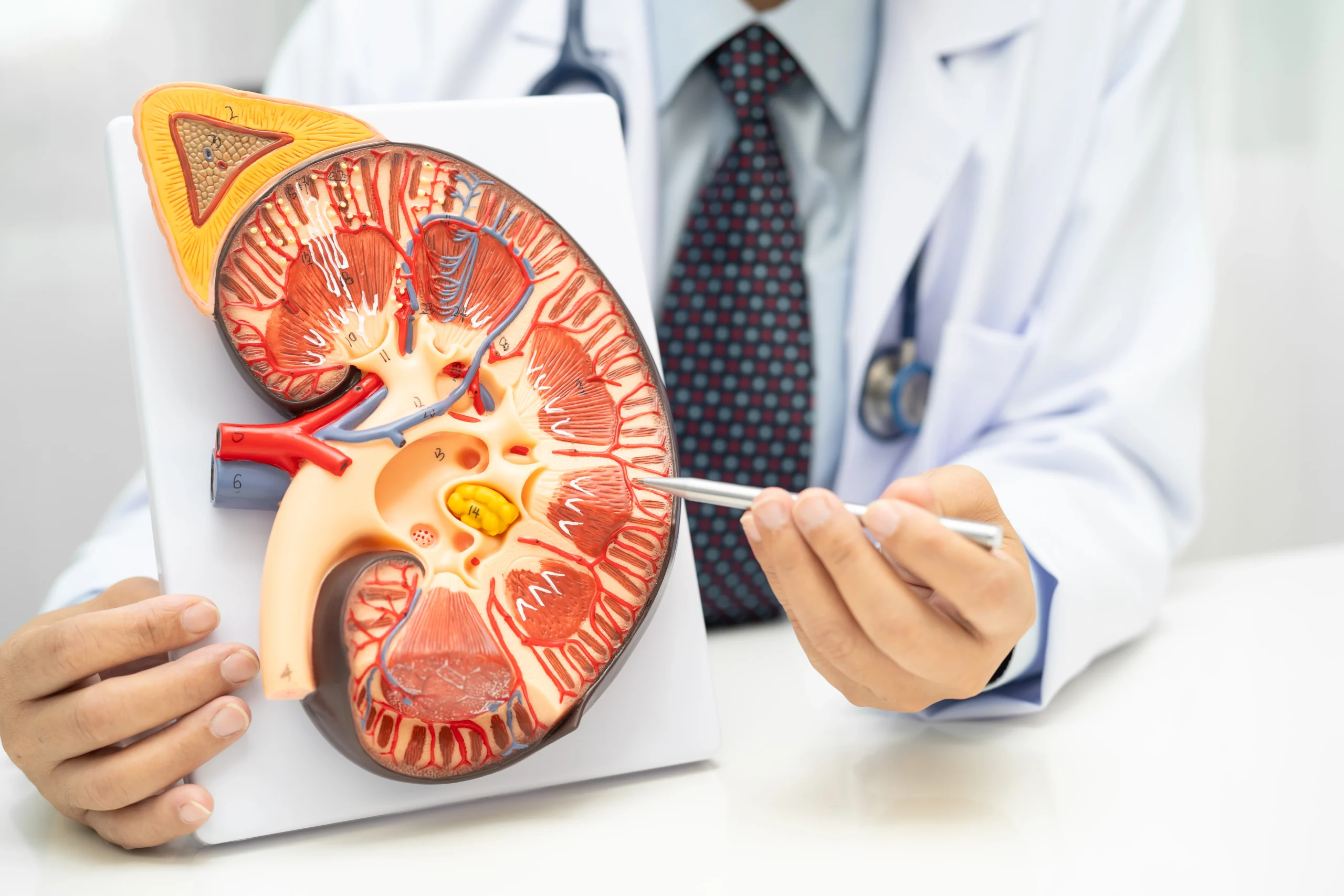
The kidneys are two vital organs that help remove waste and excess fluid from the blood. They also help maintain the body’s fluid and electrolyte balance, regulate blood pressure and support the production of red blood cells. When the kidneys become severely damaged and can no longer perform these functions adequately, kidney failure can occur.

Understanding what causes kidney failure is important because many kidney problems develop gradually and may not cause noticeable symptoms in the early stages. Identifying risk factors and managing conditions that can damage the kidneys may help slow or prevent the progression of kidney disease in many people.

Kidney failure can develop suddenly, known as acute kidney injury (AKI), or gradually over a longer period as a result of chronic kidney disease (CKD).

What Is Kidney Failure?

Kidney failure occurs when the kidneys lose most of their ability to function properly. Healthy kidneys filter waste products and excess fluid from the blood and remove them through urine.

When kidney function declines significantly, waste products and fluid can accumulate in the body. Changes in potassium, sodium and other electrolytes may also occur.

Kidney failure can be caused by a number of conditions, and the underlying cause can influence how quickly kidney function declines and what treatment is required.

What Causes Kidney Failure?

There is no single cause of kidney failure. Several diseases and medical conditions can damage the kidneys over time, while others can cause sudden kidney injury.

Some of the most common causes include diabetes, high blood pressure, kidney diseases, urinary tract obstruction, severe infections and certain medications or toxins.

Let’s look at these causes in more detail.

1. Diabetes

Diabetes is one of the leading causes of chronic kidney disease and kidney failure.

Persistently high blood glucose levels can damage the small blood vessels and filtering structures inside the kidneys. This condition is known as diabetic kidney disease or diabetic nephropathy.

Kidney damage related to diabetes can develop gradually. In its early stages, a person may have few or no symptoms. Regular blood and urine testing can help detect kidney problems earlier in people with diabetes.

Managing blood sugar levels, blood pressure and other cardiovascular risk factors can help reduce the risk of kidney damage.

2. High Blood Pressure

High blood pressure, or hypertension, is another major cause of chronic kidney disease.

The kidneys contain numerous small blood vessels that are involved in filtering blood. Persistently elevated blood pressure can damage these vessels and reduce kidney function over time.

Kidney disease and high blood pressure can also worsen each other. As kidney function declines, the body may retain more salt and fluid, potentially contributing to higher blood pressure.

Regular blood pressure monitoring and appropriate treatment are therefore important for protecting kidney health.

3. Chronic Kidney Diseases

Several diseases can directly damage the kidneys and gradually lead to kidney failure.

These include:

  • Glomerulonephritis
  • Polycystic kidney disease
  • Recurrent kidney inflammation
  • Certain inherited kidney disorders
  • Autoimmune diseases affecting the kidneys
  • Long-standing kidney infections

Some of these conditions affect the kidney’s filtering units, while others can cause structural damage to kidney tissue.

4. Acute Kidney Injury

Not all kidney failure develops gradually. Acute kidney injury (AKI) occurs when kidney function decreases suddenly over a short period.

Possible causes include:

  • Severe dehydration
  • Significant blood loss
  • Very low blood pressure
  • Severe infections
  • Certain medications
  • Kidney injury
  • Urinary tract blockage
  • Severe illness requiring hospitalisation

AKI can sometimes be reversible when the underlying cause is identified and treated promptly. However, severe or repeated episodes of acute kidney injury can increase the risk of long-term kidney problems.

5. Urinary Tract Obstruction

A blockage that prevents urine from leaving the body can cause pressure to build up in the urinary system and potentially damage the kidneys.

Possible causes of urinary obstruction include:

  • Kidney stones
  • Enlarged prostate
  • Tumours
  • Narrowing of the urinary tract
  • Blood clots
  • Certain structural abnormalities

The treatment depends on the location and cause of the obstruction. Removing the blockage promptly can help protect kidney function.

6. Kidney Stones

Kidney stones are hard deposits that form in the urinary tract. Small stones may pass without causing lasting damage, but larger stones can block urine flow.

Repeated or untreated urinary obstruction caused by stones can potentially damage the kidneys.

People with recurrent kidney stones may require evaluation to identify why the stones are forming and how future episodes can be prevented.

7. Severe Infections

Certain severe infections can cause kidney injury, particularly when they lead to low blood pressure, widespread inflammation or sepsis.

A serious infection can affect blood flow to the kidneys and interfere with their ability to filter waste effectively.

Prompt treatment of severe infections is therefore important, especially in people who already have kidney disease or other health conditions.

8. Certain Medicines and Toxins

Some medications can affect kidney function, particularly when used in high doses, for long periods or in people who already have reduced kidney function.

Examples may include certain pain medicines and some medicines used to treat infections or other medical conditions.

This does not mean that prescribed medicines should be stopped without medical advice. If you have kidney disease or other risk factors, your doctor may adjust medication doses or choose alternatives when necessary.

Exposure to certain toxic substances can also cause kidney injury.

9. Autoimmune Diseases

Some autoimmune diseases can affect the kidneys.

For example, lupus can cause inflammation and damage in the kidneys, a condition known as lupus nephritis.

Other immune-mediated conditions can also affect the kidney’s filtering structures.

Treatment usually focuses on controlling the underlying autoimmune disease and protecting kidney function.

10. Inherited Kidney Conditions

Some kidney diseases are caused by genetic changes that can be passed through families.

One example is polycystic kidney disease (PKD), an inherited condition in which multiple cysts develop in the kidneys.

These cysts can enlarge over time and interfere with normal kidney function. People with a strong family history of certain kidney diseases may benefit from discussing their risk with a healthcare professional.

Risk Factors for Kidney Failure

Having certain medical conditions or lifestyle factors can increase the risk of developing kidney disease and eventually kidney failure.

Important risk factors include:

  • Diabetes
  • High blood pressure
  • Heart disease
  • Family history of kidney disease
  • Older age
  • Obesity
  • Smoking
  • Previous acute kidney injury
  • Recurrent kidney stones
  • Certain autoimmune diseases
  • Long-term exposure to medicines or substances that can damage the kidneys

Having a risk factor does not mean that kidney failure will definitely occur. Appropriate medical care and regular monitoring can help identify kidney problems early.

What Are the Symptoms of Kidney Failure?

Early kidney disease may cause few or no noticeable symptoms. As kidney function becomes significantly reduced, symptoms may become more apparent.

Possible symptoms include:

  • Swelling in the feet, ankles or legs
  • Reduced urine output
  • Changes in urination
  • Persistent tiredness
  • Nausea or vomiting
  • Loss of appetite
  • Difficulty concentrating
  • Muscle cramps
  • Itching
  • Shortness of breath
  • Sleep problems
  • Changes in body weight due to fluid retention

These symptoms can also occur with many other medical conditions. They should not be used to diagnose kidney failure on their own.

How Is Kidney Failure Diagnosed?

Doctors use blood tests, urine tests and other investigations to assess kidney function.

Common tests include:

Blood Tests

A blood test can measure creatinine, a waste product that is normally removed by the kidneys. Creatinine levels can be used to estimate the glomerular filtration rate (eGFR), which helps assess kidney function.

Urine Tests

Urine tests can identify:

  • Protein in the urine
  • Blood in the urine
  • Signs of infection
  • Other abnormalities

Protein in the urine can be an important indicator of kidney damage.

Imaging Tests

Depending on the suspected cause, doctors may recommend:

  • Ultrasound
  • CT scan
  • MRI
  • Other specialised imaging tests

These can help identify kidney stones, obstruction, structural abnormalities or other problems.

Can Kidney Failure Be Prevented?

Not every case of kidney failure can be prevented. However, managing common causes of kidney disease can significantly support kidney health.

Important preventive measures include:

Control Blood Sugar

People with diabetes should follow their treatment plan and monitor their blood glucose as recommended by their healthcare provider.

Manage Blood Pressure

Keeping blood pressure within the recommended range can help reduce damage to the kidneys.

Stay Hydrated

Adequate fluid intake supports normal kidney function. However, people with advanced kidney disease may receive specific fluid restrictions from their doctor.

Avoid Unnecessary Medicines

Do not regularly take painkillers or other medicines without appropriate medical advice, particularly if you have kidney disease or other risk factors.

Maintain a Healthy Weight

A balanced diet and regular physical activity can support overall cardiovascular and kidney health.

Avoid Smoking

Smoking can damage blood vessels and increase the risk of cardiovascular and kidney-related complications.

Get Regular Check-ups

People with diabetes, hypertension, cardiovascular disease or a family history of kidney disease may benefit from regular kidney function monitoring.

When Should You See a Doctor?

You should consult a doctor if you experience persistent changes in urination, swelling, unexplained fatigue, blood in the urine or other concerning symptoms.

Medical evaluation is particularly important if you already have diabetes, high blood pressure, heart disease or a known kidney condition.

Sudden reduction in urine output, severe swelling, significant breathing difficulty, confusion or other severe symptoms require prompt medical assessment.

Frequently Asked Questions About What Causes Kidney Failure

What is the most common cause of kidney failure?

Diabetes and high blood pressure are among the leading causes of chronic kidney disease and kidney failure. Other causes include kidney diseases, urinary obstruction, inherited conditions and certain medications or toxins.

Can high blood pressure cause kidney failure?

Yes. Long-term uncontrolled high blood pressure can damage the blood vessels and filtering structures of the kidneys, potentially leading to chronic kidney disease and kidney failure.

Can diabetes cause kidney failure?

Yes. Persistently high blood glucose can damage the kidneys over time. Regular monitoring and appropriate management of diabetes can help reduce the risk of diabetic kidney disease.

Can kidney failure happen suddenly?

Yes. Acute kidney injury can cause a sudden decline in kidney function. Severe dehydration, blood loss, infections, low blood pressure, certain medications and urinary obstruction are among the possible causes.

Can kidney failure be reversed?

It depends on the cause. Some cases of acute kidney injury can improve when the underlying problem is treated promptly. Advanced chronic kidney disease is generally not reversible, although treatment can help slow further loss of kidney function.

What tests check kidney function?

Blood creatinine and eGFR are commonly used to assess kidney function. Urine tests can detect protein and other abnormalities. Additional blood tests and imaging may be recommended depending on the suspected cause.

Conclusion

Understanding what causes kidney failure can help people recognise important risk factors and take steps to protect their kidney health. Diabetes and high blood pressure are major causes of chronic kidney disease, while infections, dehydration, urinary obstruction, certain medications, autoimmune diseases and inherited conditions can also affect kidney function.

Kidney disease can develop silently, especially in its early stages. Regular monitoring is particularly important for people with diabetes, high blood pressure, cardiovascular disease or a family history of kidney disease.

If you notice persistent changes in urination, swelling, unexplained fatigue or other concerning symptoms, consult a qualified healthcare professional. Early evaluation can help identify kidney problems and determine appropriate treatment.

Aayush Hospital provides medical evaluation and treatment for a range of kidney and other health conditions. If you have symptoms or risk factors associated with kidney disease, consult a healthcare professional for appropriate testing and personalised medical guidance.

Disclaimer: This article is intended for general health education and does not constitute medical advice, diagnosis or treatment. Kidney failure can have different causes and may require individualised evaluation. Always consult a qualified healthcare professional for an accurate diagnosis and appropriate treatment.

Contact Details:

Aayush Hospital

Aayush Multispeciality Hospital in Kalyan, Maharashtra

Address: 744Q+H7Q Shopping Complex, Building No. E2, 2nd & 3rd Floor, Radha Nagar, Khadakpada, Kalyan, Maharashtra 421301

Phone: 099670 08900

Website: aayush-hospitals.com


Oncology

Causes of Blood Cancer in Females: Risk Factors, Types and Warning Signs

Blood cancer is a group of cancers that affect the blood cells, bone marrow or lymphatic system. Although blood cancer can affect people of any age and sex, many people want to understand the causes of blood cancer in females, particularly when there is a family history or certain risk factors.

Blood cancer does not usually develop because of one single cause. Instead, it can occur when genetic changes affect the normal growth, division or survival of blood-forming cells. These abnormal cells may multiply uncontrollably and interfere with the production and function of healthy blood cells.

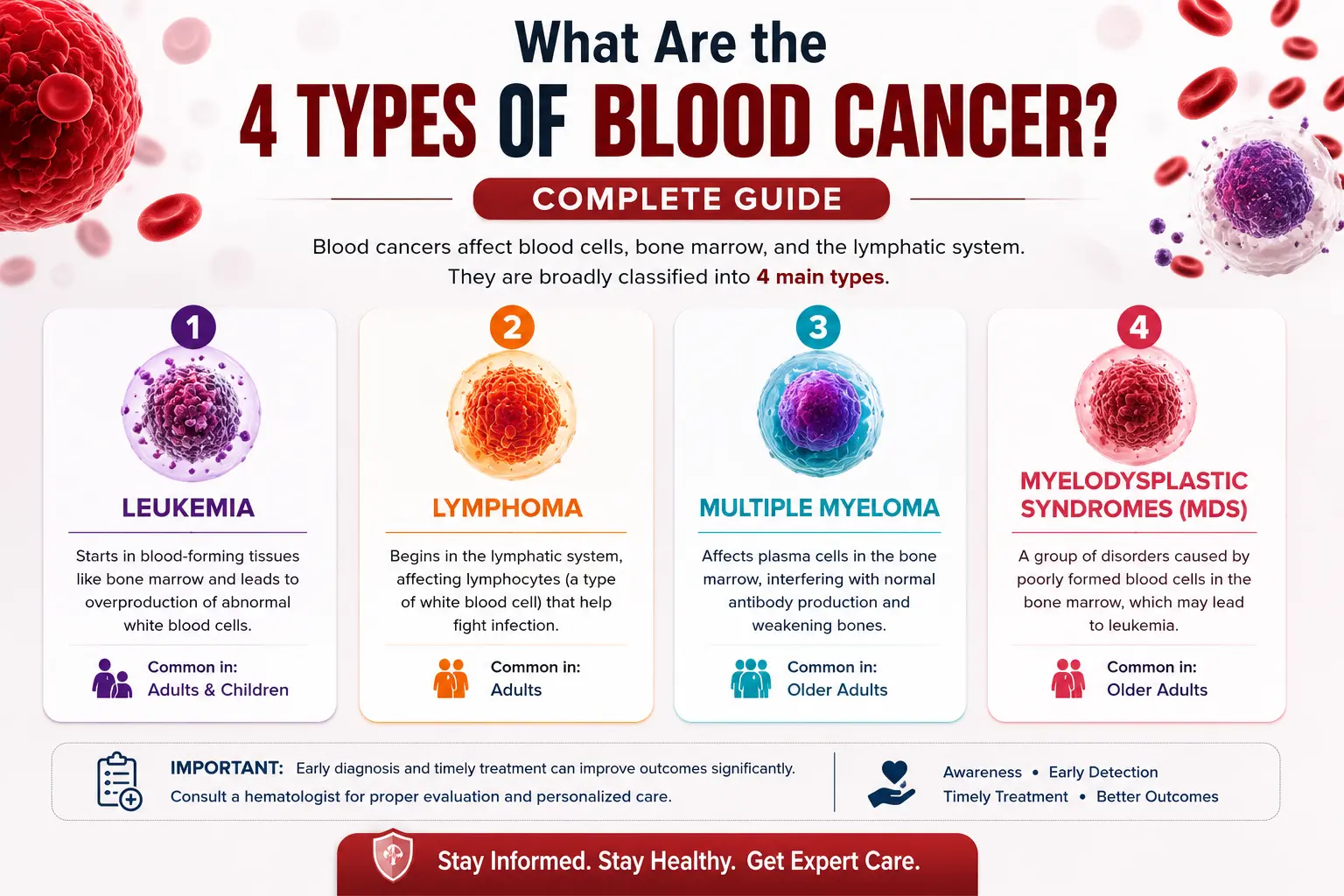
The three major types of blood cancer are leukaemia, lymphoma and multiple myeloma. Each develops differently and has its own set of risk factors.

It is also important to understand that having a risk factor does not mean that a woman will definitely develop blood cancer. In many cases, the exact reason why a person develops blood cancer cannot be identified.

What Is Blood Cancer?

Blood cancer refers to cancers that begin in blood-forming tissues, such as the bone marrow, or in cells of the immune and lymphatic systems.

The major types include:

  • Leukaemia: A cancer involving blood-forming tissues that leads to the production of abnormal blood cells.
  • Lymphoma: A cancer that develops in lymphocytes, a type of white blood cell, and commonly affects the lymphatic system.
  • Multiple myeloma: A cancer of plasma cells, which are immune cells that normally produce antibodies.

These cancers can affect women as well as men. However, certain risk factors and circumstances may be particularly relevant when discussing blood cancer in females.

What Causes Blood Cancer in Females?

There is no single cause of blood cancer in females. In most cases, the disease develops because of changes or mutations in the DNA of blood-forming or immune cells.

Normally, cells follow controlled processes that regulate their growth, division and death. Genetic changes can interfere with these processes. As abnormal cells continue to grow, they may eventually crowd out healthy cells or interfere with normal blood-cell production.

The exact genetic changes can occur for different reasons, and sometimes there is no identifiable cause.

Some factors have been associated with an increased risk of particular types of blood cancer.

1. Genetic Changes and DNA Mutations

Genetic changes are central to the development of cancer. In blood cancer, changes in the DNA of blood-forming cells can affect genes that regulate cell growth and division.

These changes may cause abnormal cells to multiply excessively or survive longer than normal cells.

Importantly, not every genetic change associated with blood cancer is inherited from a parent. Many changes occur during a person’s lifetime and are acquired rather than inherited.

2. Family History and Certain Inherited Conditions

A family history of certain blood cancers may increase a person’s risk, although most people with a family history do not necessarily develop blood cancer.

Some inherited genetic conditions are also associated with an increased risk of particular leukaemias or other cancers.

A woman with a strong family history of blood cancer or a known inherited genetic condition may benefit from discussing her individual risk with a qualified doctor.

3. Previous Cancer Treatment

Certain cancer treatments can increase the risk of developing a different blood cancer later in life.

In particular, some types of chemotherapy and radiation therapy have been associated with treatment-related leukaemia or other blood disorders.

However, the potential risk needs to be considered alongside the benefits of treating the original cancer. Most people who receive cancer treatment do not develop a secondary blood cancer.

4. Exposure to High Levels of Radiation

High-dose exposure to ionising radiation has been associated with an increased risk of certain types of leukaemia.

This is different from routine medical imaging. X-rays and other diagnostic imaging procedures use controlled doses of radiation, and the potential risks are generally considered when determining whether an examination is medically necessary.

People should not avoid medically necessary diagnostic tests because of concerns about radiation without discussing those concerns with their doctor.

5. Exposure to Certain Chemicals

Long-term exposure to certain chemicals may increase the risk of some blood cancers.

Benzene is one example. It is an industrial chemical that has been associated with an increased risk of acute myeloid leukaemia (AML).

Potential occupational exposure may occur in certain industrial environments, including some manufacturing and chemical-related workplaces.

Appropriate workplace safety measures and protective equipment can help reduce exposure to hazardous chemicals.

6. Certain Genetic and Chromosomal Conditions

Some genetic or chromosomal conditions are associated with a higher risk of particular blood cancers.

For example, Down syndrome is associated with an increased risk of certain types of leukaemia.

These conditions do not mean that blood cancer will definitely develop. They simply represent an increased statistical risk compared with the general population.

7. Certain Disorders of the Blood or Bone Marrow

Some bone marrow disorders can increase the likelihood of developing certain types of blood cancer.

For example, myelodysplastic syndromes can sometimes progress to acute myeloid leukaemia.

Regular medical follow-up may be recommended for people who have been diagnosed with certain blood or bone marrow disorders.

8. Weakened Immune System

A weakened immune system can increase the risk of certain cancers, including some types of lymphoma.

Immunosuppression may occur because of certain medical conditions, medications or organ transplantation.

Some infections that affect the immune system have also been associated with specific types of lymphoma.

9. Certain Viral Infections

Some viral infections are associated with particular blood cancers.

For example, Epstein-Barr virus (EBV) has been linked to certain types of lymphoma, while human T-cell leukaemia virus type 1 (HTLV-1) can cause adult T-cell leukaemia/lymphoma in a small proportion of infected individuals.

Having an infection associated with a blood cancer does not mean that a person will develop cancer. The majority of people exposed to these viruses do not develop blood cancer.

Can Hormonal Changes Cause Blood Cancer in Females?

Hormonal changes associated with menstruation, pregnancy or menopause are not established as direct causes of blood cancer.

Similarly, there is no evidence that normal menstrual cycles themselves cause leukaemia, lymphoma or multiple myeloma.

Women may experience changes in blood counts during pregnancy, menstruation or other stages of life, but these changes are different from the abnormal blood-cell production associated with blood cancer.

If a woman develops persistent abnormalities in blood counts, a doctor can investigate the underlying cause.

Does Pregnancy Cause Blood Cancer?

Pregnancy itself is not considered a direct cause of blood cancer.

However, blood cancers can occasionally be diagnosed during pregnancy. Symptoms such as fatigue, weakness or changes in blood counts can sometimes overlap with normal pregnancy-related changes, which may make evaluation more challenging.

If blood tests show persistent or unexplained abnormalities during pregnancy, doctors can determine whether further investigation is necessary.

Treatment decisions during pregnancy require careful coordination between the cancer care team and obstetric specialists.

What Are the Symptoms of Blood Cancer in Females?

The symptoms of blood cancer can vary depending on the type of cancer and how advanced it is.

Common symptoms may include:

  • Persistent or unexplained fatigue
  • Frequent or recurring infections
  • Unexplained fever
  • Unexplained weight loss
  • Excessive sweating, particularly at night
  • Easy bruising
  • Frequent or unusual bleeding
  • Pale skin
  • Shortness of breath
  • Swollen lymph nodes
  • Persistent bone or joint pain
  • Abdominal discomfort or fullness
  • Weakness
  • Loss of appetite

These symptoms are not specific to blood cancer. Many common health conditions can cause similar symptoms.

For example, fatigue and pale skin can occur with iron-deficiency anaemia, while fever can result from infections. The presence of these symptoms does not mean that a person has blood cancer.

However, symptoms that persist, worsen or occur in combination should be evaluated by a healthcare professional.

When Should a Woman See a Doctor?

It is advisable to consult a doctor if symptoms are persistent, unexplained or significantly different from your usual health.

Particular attention should be given to:

  • Recurrent unexplained infections
  • Persistent fever
  • Unexplained weight loss
  • Frequent unexplained bruising
  • Bleeding that is unusual or difficult to explain
  • Persistent swollen lymph nodes
  • Severe or ongoing fatigue
  • Persistent bone pain
  • Abnormal blood-test results

A doctor can determine whether these symptoms are related to a blood disorder, infection, nutritional deficiency or another medical condition.

How Is Blood Cancer Diagnosed?

If blood cancer is suspected, the doctor may begin with a medical history and physical examination.

A complete blood count (CBC) is commonly used to assess the levels of different blood cells. Depending on the results and symptoms, additional investigations may be recommended.

These may include:

Test Purpose
Complete blood count (CBC) Measures red blood cells, white blood cells and platelets
Peripheral blood smear Examines blood cells under a microscope
Bone marrow examination Evaluates blood-forming cells in the bone marrow
Lymph node biopsy Helps diagnose certain types of lymphoma
Imaging tests Evaluate lymph nodes, organs or other areas
Immunophenotyping Helps identify specific types of abnormal blood cells
Genetic and molecular tests Identify certain chromosome or gene changes

Not every patient requires all of these tests. The diagnostic approach depends on the symptoms, blood-test results and suspected type of blood cancer.

Can Blood Cancer in Females Be Prevented?

There is no guaranteed way to prevent most blood cancers because many cases develop due to genetic changes that cannot be predicted or prevented.

However, certain practical steps can reduce exposure to known risk factors.

These include:

  • Following workplace safety precautions when working around chemicals.
  • Avoiding unnecessary exposure to hazardous substances.
  • Not smoking.
  • Maintaining a healthy lifestyle.
  • Discussing unusual or persistent symptoms with a doctor.
  • Following recommended medical monitoring if you have a condition associated with an increased risk of blood cancer.

It is important to remember that blood cancer can occur even in people who have no known risk factors.

Common Myths About the Causes of Blood Cancer in Females

Myth 1: Blood cancer is caused by eating sugar.

There is no evidence that simply eating sugar directly causes blood cancer. Excessive consumption of sugary foods can contribute to other health problems, but cancer development is much more complex.

Myth 2: Menstrual problems cause blood cancer.

Menstrual problems are not considered a direct cause of blood cancer. However, unusually heavy menstrual bleeding can cause iron-deficiency anaemia and should be evaluated when persistent.

Myth 3: Pregnancy causes blood cancer.

Pregnancy itself is not considered a direct cause of blood cancer. Blood cancer can occasionally occur during pregnancy, but this is different from pregnancy causing the disease.

Myth 4: Every woman with fatigue has blood cancer.

Fatigue is extremely common and can result from anaemia, nutritional deficiencies, infections, stress, sleep problems and many other conditions. Persistent or unexplained fatigue should be assessed rather than automatically linked to cancer.

Frequently Asked Questions About Causes of Blood Cancer in Females

What is the main cause of blood cancer in females?

There is no single main cause. Blood cancer generally develops because of genetic changes that cause abnormal blood-forming or immune cells to grow uncontrollably. In many patients, the exact reason for these changes is unknown.

Can blood cancer be hereditary?

Some inherited genetic conditions can increase the risk of certain blood cancers, and a family history may be relevant in some cases. However, most blood cancers are not simply inherited from a parent.

Can stress cause blood cancer?

Stress is not considered a direct cause of blood cancer. Chronic stress can affect general health, but blood cancers develop through complex genetic and cellular changes.

Can anaemia turn into blood cancer?

Most cases of anaemia do not turn into blood cancer. Anaemia has many causes, including iron deficiency, vitamin deficiencies, blood loss and chronic diseases. Some blood cancers can themselves cause anaemia, which is why unexplained or persistent anaemia may require medical evaluation.

What blood tests can detect blood cancer?

A complete blood count and peripheral blood smear can provide important clues, but a blood test alone cannot diagnose every type of blood cancer. Depending on the suspected condition, bone marrow tests, lymph node biopsy, imaging and specialised genetic or molecular tests may be needed.

Conclusion

Understanding the causes of blood cancer in females can help women recognise potential risk factors and understand when medical evaluation may be appropriate. Blood cancer does not have one specific cause. It usually develops through genetic changes that affect the normal growth and function of blood-forming or immune cells.

Factors such as certain genetic conditions, previous cancer treatment, high-dose radiation exposure, exposure to benzene, weakened immunity and specific infections can increase the risk of particular blood cancers. However, many people who develop blood cancer have no identifiable risk factor.

Symptoms such as persistent fatigue, unexplained fever, recurrent infections, unusual bruising or bleeding, swollen lymph nodes and unexplained weight loss can have many causes and do not automatically indicate cancer. Nevertheless, persistent or unexplained symptoms should be evaluated by a healthcare professional.

Early medical evaluation can help identify the cause of abnormal symptoms or blood-test results and determine whether further investigation is needed.

Aayush Hospital provides medical evaluation and treatment for a range of health conditions. If you or a family member has persistent unexplained symptoms or abnormal blood-test results, consult a qualified healthcare professional for appropriate evaluation and personalised medical advice.

Disclaimer: This article is intended for general health education and does not constitute medical advice, diagnosis or treatment. The causes, symptoms and risk factors of blood cancer can vary between individuals. Always consult a qualified healthcare professional for an accurate diagnosis and appropriate treatment.

Contact Details:

Aayush Hospital

Aayush Multispeciality Hospital in Kalyan, Maharashtra

Address: 744Q+H7Q Shopping Complex, Building No. E2, 2nd & 3rd Floor, Radha Nagar, Khadakpada, Kalyan, Maharashtra 421301

Phone: 099670 08900

Website: aayush-hospitals.com


Gastroenterology

Gastrointestinal Symptoms: Causes, Signs, Diagnosis and When to See a Doctor

Digestive health plays an important role in overall well-being. The gastrointestinal system is responsible for digesting food, absorbing essential nutrients and eliminating waste from the body. When something affects the digestive tract, it can lead to a wide range of symptoms, from mild bloating and indigestion to persistent abdominal pain, diarrhoea or changes in bowel movements.

Gastrointestinal symptoms are common and can occur for many different reasons. Some may be temporary and related to diet, infections or changes in routine, while persistent symptoms may sometimes indicate an underlying digestive condition that requires medical evaluation.

Understanding common gastrointestinal symptoms, their possible causes and the warning signs that should not be ignored can help you seek appropriate medical care at the right time.

What Are Gastrointestinal Symptoms?

Gastrointestinal symptoms are signs or changes associated with the digestive system. The gastrointestinal tract includes the oesophagus, stomach, small intestine, large intestine, rectum and anus. The liver, gallbladder and pancreas also play important roles in digestion.

Symptoms can affect different parts of the digestive system and may vary from person to person. Some people may experience a single symptom, while others may have several symptoms at the same time.

Common gastrointestinal symptoms include:

  • Abdominal or stomach pain
  • Bloating and excessive gas
  • Indigestion
  • Heartburn and acid reflux
  • Nausea
  • Vomiting
  • Diarrhoea
  • Constipation
  • Changes in bowel movements
  • Changes in stool colour or consistency
  • Loss of appetite
  • Feeling full quickly
  • Difficulty swallowing
  • Blood in the stool
  • Unexplained weight loss

The presence of one symptom does not necessarily indicate a specific disease. Doctors generally consider the type, duration, severity and combination of symptoms before determining the possible cause.

Common Gastrointestinal Symptoms

Abdominal Pain

Abdominal pain is one of the most frequently reported gastrointestinal symptoms. It can occur in different areas of the abdomen and may feel sharp, dull, burning, cramping or aching.

The location and nature of the pain can sometimes provide useful information about its possible cause. For example, discomfort in the upper abdomen may occur with indigestion, gastritis or peptic ulcers, while abdominal pain associated with changes in bowel habits can occur with conditions such as irritable bowel syndrome.

Occasional mild abdominal discomfort may not be a cause for concern. However, severe, persistent or recurrent abdominal pain should be evaluated by a healthcare professional, particularly if it occurs with vomiting, fever, bleeding or unexplained weight loss.

Bloating and Excessive Gas

Bloating is a feeling of fullness, pressure or swelling in the abdomen. It may occur after meals or may continue throughout the day.

Eating too quickly, consuming certain foods, constipation and excessive intestinal gas can contribute to bloating. Some people may also experience persistent bloating because of food intolerances or gastrointestinal conditions such as irritable bowel syndrome.

Occasional bloating is common, but persistent or recurrent bloating accompanied by abdominal pain, vomiting, changes in bowel habits or unexplained weight loss should be discussed with a doctor.

Heartburn and Acid Reflux

Heartburn is usually experienced as a burning sensation behind the breastbone. It can occur when stomach contents flow back into the oesophagus, a process known as acid reflux.

Occasional acid reflux may happen after eating a large meal or consuming foods that trigger symptoms. However, frequent reflux may be associated with gastroesophageal reflux disease (GERD).

People with GERD may experience:

  • Frequent heartburn
  • Regurgitation of food or acidic contents
  • Chest discomfort
  • Nausea
  • Difficulty swallowing
  • Chronic cough or throat irritation in some cases

Persistent heartburn or difficulty swallowing should be medically evaluated rather than managed repeatedly through self-medication.

Nausea and Vomiting

Nausea is the uncomfortable sensation that you may need to vomit, while vomiting involves the forceful emptying of stomach contents.

These symptoms can occur because of gastrointestinal infections, food poisoning, indigestion, gastritis, reflux, medication side effects and several other conditions.

Occasional nausea may resolve on its own, but repeated vomiting can result in dehydration and electrolyte disturbances. Medical attention is particularly important when vomiting is persistent, contains blood, occurs with severe abdominal pain or prevents a person from keeping fluids down.

Diarrhoea

Diarrhoea refers to loose or watery stools that occur more frequently than usual. It may develop suddenly or continue for a longer period depending on its underlying cause.

Acute diarrhoea is commonly associated with gastrointestinal infections, contaminated food or water and certain medications. Persistent diarrhoea, however, may have other causes, including food intolerances, irritable bowel syndrome and inflammatory bowel disease.

Diarrhoea may also be accompanied by abdominal cramps, nausea, vomiting, fever or an urgent need to use the toilet.

One of the major concerns with prolonged diarrhoea is dehydration. Drinking adequate fluids is important, but persistent diarrhoea should be evaluated to identify and treat the underlying cause.

Constipation

Constipation is another common gastrointestinal symptom. It may involve having fewer bowel movements than usual, passing hard or dry stools, straining during bowel movements or feeling that the bowel has not completely emptied.

Low fibre intake, inadequate fluid consumption, changes in routine, reduced physical activity and certain medications can contribute to constipation. It may also occur as part of certain gastrointestinal conditions.

Occasional constipation may improve with appropriate dietary and lifestyle changes. Persistent constipation, particularly when accompanied by abdominal pain, vomiting, rectal bleeding or unexplained weight loss, requires medical evaluation.

What Causes Gastrointestinal Symptoms?

There are many possible causes of gastrointestinal symptoms. Identifying the underlying cause is important because treatment depends on the specific condition.

Indigestion

Indigestion, also called dyspepsia, can cause upper abdominal discomfort, bloating, nausea, belching and a feeling of fullness during or after meals.

It may be associated with eating habits, certain medications, acid-related conditions or other gastrointestinal disorders.

Gastrointestinal Infections

Viral or bacterial infections can cause symptoms such as diarrhoea, vomiting, abdominal cramps and fever. Food poisoning is another common cause of sudden digestive symptoms.

Most short-term infections improve with appropriate supportive care, but severe symptoms or dehydration may require medical treatment.

Gastritis

Gastritis occurs when the stomach lining becomes inflamed or damaged. Some people may not experience symptoms, while others can develop upper abdominal discomfort, nausea, vomiting, loss of appetite or a feeling of fullness.

Certain infections, medicines and other factors may contribute to gastritis.

Peptic Ulcers

Peptic ulcers are sores that develop in the lining of the stomach or the first part of the small intestine. They can cause upper abdominal pain, nausea, bloating or early fullness.

Helicobacter pylori infection and certain pain-relieving medicines, particularly non-steroidal anti-inflammatory drugs (NSAIDs), are important causes of peptic ulcers.

Gastroesophageal Reflux Disease

GERD develops when stomach contents repeatedly flow back into the oesophagus. Frequent heartburn and regurgitation are common symptoms.

If reflux occurs regularly or causes complications, medical assessment and appropriate treatment may be necessary.

Irritable Bowel Syndrome

Irritable bowel syndrome (IBS) is a gastrointestinal disorder characterised by recurring abdominal pain and changes in bowel habits. Some people experience constipation, while others experience diarrhoea or alternating bowel patterns.

Bloating and changes in stool appearance may also occur.

Inflammatory Bowel Disease

Inflammatory bowel disease includes conditions such as Crohn’s disease and ulcerative colitis. These conditions can cause persistent gastrointestinal symptoms, including diarrhoea, abdominal pain and blood in the stool.

Some people may also experience fatigue, reduced appetite and unintended weight loss.

Gastrointestinal Symptoms That Should Not Be Ignored

Many digestive symptoms are temporary. However, certain symptoms can indicate a more serious problem and should be assessed promptly.

Seek medical attention if you experience:

  • Severe or persistent abdominal pain
  • Repeated vomiting
  • Blood in vomit
  • Blood in the stool
  • Black or tar-like stools
  • Persistent diarrhoea
  • Long-lasting constipation
  • Difficulty or pain while swallowing
  • Unexplained weight loss
  • Persistent loss of appetite
  • Significant or recurring abdominal swelling
  • Fever along with severe gastrointestinal symptoms
  • Symptoms of dehydration

Black, tarry stools or vomiting blood can be signs of gastrointestinal bleeding and require urgent medical assessment.

How Are Gastrointestinal Symptoms Diagnosed?

When you visit a doctor with gastrointestinal symptoms, the evaluation generally begins with a detailed discussion about your symptoms and medical history.

Your doctor may ask about when the symptoms began, how often they occur, whether they are related to food, changes in bowel movements, medications you take and any previous digestive problems.

A physical examination may then be performed. Depending on the symptoms and suspected cause, the doctor may recommend additional investigations.

These can include:

Diagnostic test What it may help evaluate
Blood tests Infection, inflammation, anaemia and other abnormalities
Stool tests Infection, inflammation or blood in stool
Ultrasound Certain abdominal organs and structural abnormalities
CT scan Detailed evaluation of abdominal structures
MRI Selected gastrointestinal and abdominal conditions
Upper GI endoscopy Oesophagus, stomach and upper small intestine
Colonoscopy Colon and rectum
Other specialised tests Specific digestive or gastrointestinal disorders

Not every person with gastrointestinal symptoms needs every test. The choice of investigation depends on the individual’s symptoms, medical history and clinical examination.

Treatment for Gastrointestinal Symptoms

Treatment for gastrointestinal symptoms depends on the underlying cause. Rather than treating only the symptom, doctors aim to identify and manage the condition responsible for it.

Depending on the diagnosis, treatment may include dietary changes, lifestyle modifications, medicines, treatment for infections, management of acid reflux, treatment for ulcers or inflammatory conditions, endoscopic procedures or surgery when required.

For example, treatment for an infection will differ from treatment for GERD, IBS or an inflammatory bowel condition. This is why persistent symptoms should not be repeatedly self-treated without medical advice.

Lifestyle Habits That Can Support Digestive Health

Healthy daily habits can support normal digestive function and may help reduce certain digestive complaints.

Some general measures include:

  • Eat a balanced diet containing adequate fibre.
  • Drink sufficient water throughout the day.
  • Eat meals slowly and avoid overeating.
  • Identify and limit foods that consistently trigger symptoms.
  • Stay physically active.
  • Follow good food hygiene practices.
  • Avoid unnecessary use of medicines that can irritate the digestive system.
  • Maintain a healthy body weight.
  • Avoid smoking.
  • Consult a doctor when symptoms persist or repeatedly return.

These measures are not a substitute for medical treatment when an underlying gastrointestinal condition is present.

When Should You Consult a Gastrointestinal Specialist?

You should consider consulting a doctor when gastrointestinal symptoms are persistent, recurrent, worsening or affecting your daily life.

A specialist evaluation may be particularly important if symptoms such as abdominal pain, diarrhoea, constipation, reflux, vomiting or bloating continue despite basic lifestyle measures.

Prompt evaluation is especially important when symptoms are associated with gastrointestinal bleeding, unexplained weight loss, severe pain, repeated vomiting or difficulty swallowing.

Early evaluation can help identify the underlying cause and prevent complications associated with some gastrointestinal conditions.

Frequently Asked Questions About Gastrointestinal Symptoms

What are the most common gastrointestinal symptoms?

The most common gastrointestinal symptoms include abdominal pain, bloating, gas, indigestion, heartburn, nausea, vomiting, diarrhoea, constipation and changes in bowel movements.

Can gastrointestinal symptoms be caused by stress?

Stress can influence the gut-brain connection and may worsen symptoms in some digestive disorders, including IBS and functional dyspepsia. However, persistent gastrointestinal symptoms should not automatically be attributed to stress without appropriate medical evaluation.

Is bloating a sign of a gastrointestinal problem?

Occasional bloating is common and can be related to diet, gas or constipation. Persistent or recurrent bloating, especially when accompanied by pain, vomiting, bowel changes or unexplained weight loss, should be evaluated by a doctor.

When is abdominal pain serious?

Abdominal pain should receive prompt medical attention when it is severe, sudden, persistent or accompanied by symptoms such as vomiting, fever, bleeding, fainting or unexplained weight loss.

Should blood in stool be checked by a doctor?

Yes. Blood in the stool can have several causes and should not be ignored. Black or tarry stools or significant bleeding require urgent medical evaluation.

Conclusion

Gastrointestinal symptoms can range from occasional indigestion and bloating to persistent abdominal pain, changes in bowel movements or gastrointestinal bleeding. While many digestive complaints are temporary, symptoms that persist, repeatedly return or become more severe may require medical evaluation.

Paying attention to the duration, severity and combination of symptoms can help you recognise when professional medical advice is needed. Symptoms such as severe abdominal pain, repeated vomiting, blood in the stool, black stools, unexplained weight loss or difficulty swallowing should receive prompt attention.

At Aayush Hospital, patients can seek medical evaluation for persistent or concerning digestive symptoms. A healthcare professional can assess the symptoms, recommend appropriate investigations when required and develop a treatment plan based on the underlying condition.

Disclaimer: This article is intended for general health education and does not constitute medical advice, diagnosis or treatment. Gastrointestinal symptoms can have different causes in different individuals. Consult a qualified healthcare professional for an appropriate evaluation and personalised medical advice.

Contact Details:

Aayush Hospital

Aayush Multispeciality Hospital in Kalyan, Maharashtra

Address: 744Q+H7Q Shopping Complex, Building No. E2, 2nd & 3rd Floor, Radha Nagar, Khadakpada, Kalyan, Maharashtra 421301

Phone: 099670 08900

Website: aayush-hospitals.com


Cardiology

Neurological Disorders Symptoms: Common Signs, Causes, Diagnosis and When to Seek Medical Care

The nervous system controls almost every function of the human body. It allows us to move, speak, think, remember, feel sensations, maintain balance and coordinate the activities of different organs. When the brain, spinal cord or peripheral nerves are affected by disease or injury, a person may develop a wide range of symptoms.

Understanding neurological disorders symptoms can help patients recognise changes that deserve medical attention. Some neurological symptoms may develop gradually, while others can appear suddenly and require urgent evaluation. Symptoms can also vary considerably depending on which part of the nervous system is affected.

Neurological disorders include conditions such as migraine, epilepsy, stroke, Parkinson’s disease, multiple sclerosis, peripheral neuropathy, Alzheimer’s disease and many other disorders. Because several neurological symptoms can overlap with other medical conditions, proper diagnosis by a qualified healthcare professional is important.

What Are Neurological Disorders?

Neurological disorders are conditions that affect the brain, spinal cord, peripheral nerves or the connections between nerves and muscles.

The nervous system can be broadly divided into:

Part of the nervous system Main role
Brain Controls thinking, memory, movement, speech, emotions and many body functions
Spinal cord Carries signals between the brain and the rest of the body
Peripheral nerves Carry sensory and movement signals throughout the body
Autonomic nervous system Helps regulate functions such as heart rate, digestion, blood pressure and sweating

Neurological disorders may result from genetic factors, infections, blood vessel problems, immune-system abnormalities, injuries, tumours, nutritional deficiencies, metabolic conditions or age-related changes.

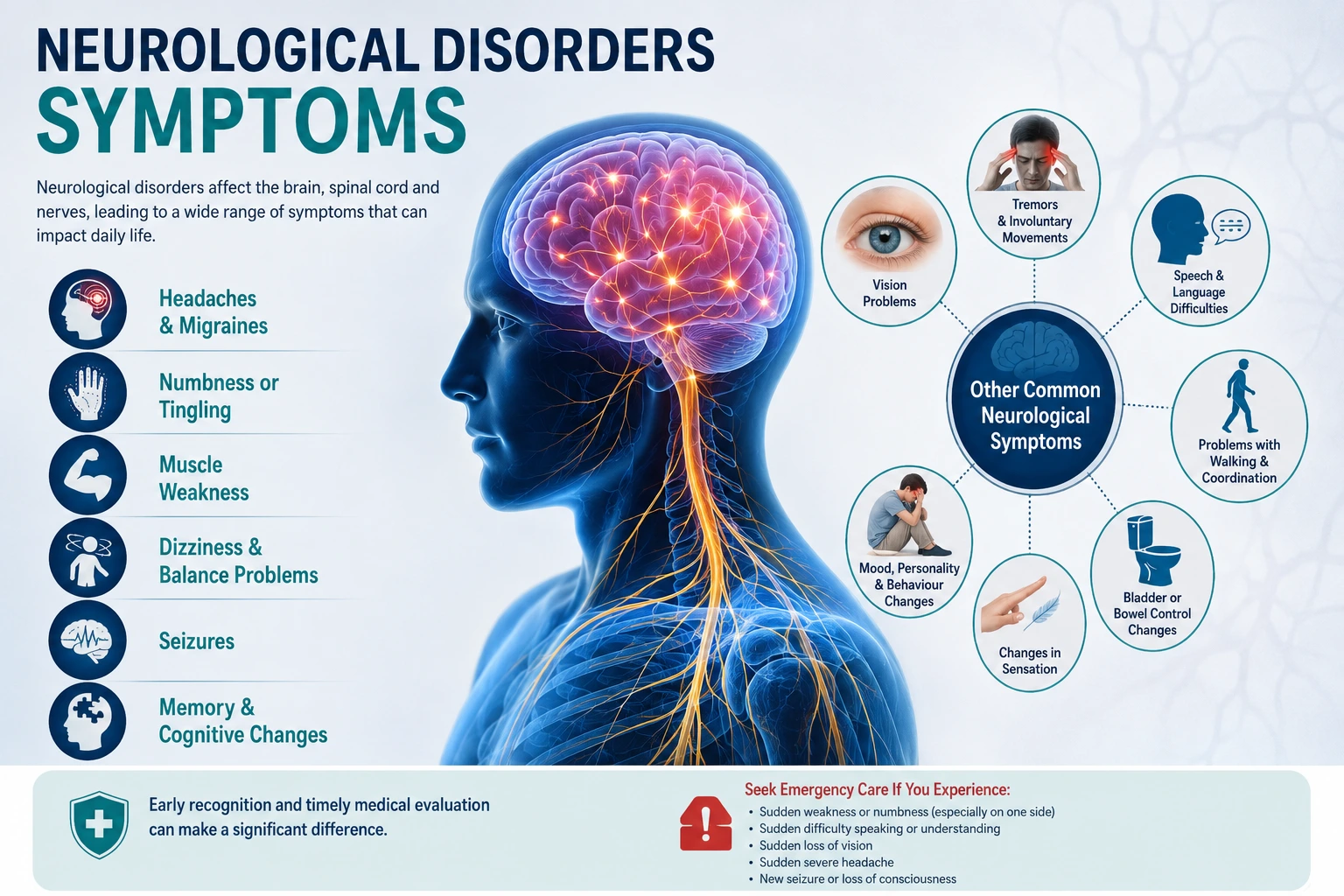
What Are the Common Neurological Disorders Symptoms?

The symptoms of neurological disorders depend on the affected part of the nervous system and the underlying condition.

Common neurological disorders symptoms include:

  • Persistent or recurrent headaches
  • Dizziness or vertigo
  • Numbness or tingling
  • Muscle weakness
  • Tremors or involuntary movements
  • Problems with balance and coordination
  • Seizures
  • Memory problems
  • Difficulty concentrating
  • Confusion
  • Speech or language difficulties
  • Changes in vision
  • Difficulty walking
  • Loss of sensation
  • Changes in bladder or bowel control
  • Sleep disturbances
  • Personality or behavioural changes

Having one of these symptoms does not necessarily mean that a person has a neurological disorder. However, persistent, worsening or unexplained symptoms should be evaluated.

1. Headaches and Migraines

Headache is one of the most common neurological complaints. Headaches can have many causes, ranging from migraine and tension-type headaches to infections, medication-related problems and other medical conditions.

Migraines may involve:

  • Moderate to severe headache
  • Throbbing or pulsating pain
  • Nausea or vomiting
  • Sensitivity to light or sound
  • Visual disturbances
  • Temporary neurological symptoms known as aura

A sudden, extremely severe headache that reaches maximum intensity rapidly should not be ignored, particularly when accompanied by neurological symptoms.

2. Numbness and Tingling

Numbness or a “pins and needles” sensation may occur when sensory nerves are affected.

The sensation may occur in:

  • Hands or fingers
  • Feet or toes
  • Arms or legs
  • Face
  • One side of the body

Peripheral neuropathy, diabetes, nerve compression, vitamin deficiencies and certain neurological conditions can cause numbness or tingling.

The location and pattern of numbness can provide important clues about its underlying cause.

For example, symptoms affecting one side of the body suddenly may require urgent assessment, particularly when accompanied by facial weakness, speech difficulty or other stroke warning signs.

3. Muscle Weakness

Muscle weakness is another important neurological symptom.

Patients may notice:

  • Difficulty climbing stairs
  • Trouble getting up from a chair
  • Difficulty lifting objects
  • Dropping things unexpectedly
  • Difficulty raising an arm
  • Problems walking
  • Frequent falls

Weakness can result from problems affecting the brain, spinal cord, nerves, neuromuscular junction or muscles.

Sudden weakness, especially on one side of the body, is a medical emergency because it can be a warning sign of stroke.

4. Dizziness, Vertigo and Balance Problems

Dizziness can have several causes. Neurological disorders may cause a sensation of spinning, imbalance or difficulty coordinating movements.

Vertigo is commonly described as the feeling that the person or surroundings are moving or spinning.

Neurological causes of dizziness or balance problems may include certain disorders affecting the brain or balance pathways.

Patients may also experience:

  • Unsteadiness while walking
  • Frequent falls
  • Difficulty standing
  • Poor coordination
  • Nausea
  • Abnormal eye movements

Because dizziness can also arise from inner-ear, cardiovascular or metabolic problems, a medical assessment may be necessary to determine the cause.

5. Seizures

A seizure occurs because of abnormal electrical activity in the brain. Seizures can vary significantly from one person to another.

Some seizures involve:

  • Loss of consciousness
  • Stiffening of muscles
  • Repetitive jerking movements
  • Temporary confusion
  • Unusual sensations
  • Sudden behavioural changes
  • Brief periods of staring or unresponsiveness

Epilepsy is a neurological disorder characterised by a tendency to have recurrent unprovoked seizures.

A first-time seizure should be medically evaluated to determine the cause and assess the risk of recurrence.

6. Memory Loss and Cognitive Changes

Memory problems can occur for many reasons, including ageing, stress, sleep problems, certain medications and medical conditions. However, persistent or progressive cognitive changes may be associated with neurological disorders.

Possible symptoms include:

  • Frequently forgetting recent information
  • Difficulty finding familiar words
  • Trouble completing familiar tasks
  • Difficulty planning or solving problems
  • Becoming disoriented
  • Repeatedly asking the same questions
  • Difficulty managing everyday activities

Conditions such as Alzheimer’s disease and other forms of dementia can cause progressive changes in memory and thinking.

Early assessment can help determine whether symptoms are related to a neurological condition or another potentially treatable cause.

7. Speech and Language Difficulties

Changes in speech can occur when areas of the brain responsible for language or movement are affected.

Symptoms may include:

  • Slurred speech
  • Difficulty finding words
  • Difficulty understanding speech
  • Trouble reading or writing
  • Difficulty communicating thoughts
  • Changes in voice

Sudden difficulty speaking or understanding speech is particularly concerning because it can be a sign of stroke.

8. Tremors and Involuntary Movements

Tremor refers to involuntary, rhythmic shaking of a body part. It may affect the hands, head, arms, legs or other parts of the body.

Tremors can occur for various reasons, including:

  • Essential tremor
  • Parkinson’s disease
  • Certain medications
  • Metabolic abnormalities
  • Neurological conditions

Other involuntary movements may include muscle jerks, spasms, abnormal repetitive movements or uncontrolled movements.

The timing, frequency and circumstances in which movements occur can help doctors determine the underlying cause.

9. Vision Problems

Some neurological disorders can affect vision or the pathways that carry visual information from the eyes to the brain.

Symptoms may include:

  • Double vision
  • Loss of part of the visual field
  • Blurred vision
  • Temporary visual disturbances
  • Difficulty coordinating eye movements
  • Sudden loss of vision

Sudden vision changes, particularly when combined with weakness, speech difficulties or severe headache, require immediate medical assessment.

10. Problems With Walking and Coordination

Walking requires coordinated communication between the brain, spinal cord, nerves, muscles and balance systems.

Neurological disorders may cause:

  • Unsteady walking
  • Shuffling steps
  • Difficulty initiating movement
  • Frequent falls
  • Muscle stiffness
  • Poor coordination
  • Difficulty performing precise movements

Progressive changes in walking pattern should be discussed with a healthcare professional.

11. Changes in Bladder or Bowel Control

The nervous system helps regulate bladder and bowel function. Disorders affecting the brain, spinal cord or nerves may sometimes interfere with normal control.

Symptoms may include:

  • Difficulty starting urination
  • Loss of bladder control
  • Urinary urgency
  • Constipation
  • Loss of bowel control

These symptoms can also have many non-neurological causes, so evaluation is important rather than assuming that they are caused by a neurological condition.

12. Changes in Sensation

Neurological disorders can alter how a person perceives touch, temperature, pain or vibration.

Some patients may experience:

  • Reduced sensation
  • Burning sensations
  • Electric-shock-like sensations
  • Increased sensitivity
  • Abnormal pain
  • Difficulty distinguishing hot and cold

Peripheral nerve disorders are a common reason for abnormal sensations in the hands and feet.

Neurological Disorders Symptoms by the Area Affected

The pattern of symptoms can sometimes provide clues about the affected part of the nervous system.

Area affected Possible symptoms
Brain Headache, seizures, memory problems, speech changes, weakness, vision changes
Spinal cord Weakness, numbness, balance problems, bladder or bowel changes
Peripheral nerves Tingling, numbness, burning pain, weakness
Cerebellum Poor coordination, balance problems, unsteady walking
Movement-related brain regions Tremor, stiffness, slowed movements, involuntary movements

This table is only a general guide. A complete medical assessment is necessary to identify the actual cause.

What Causes Neurological Disorders?

Neurological disorders can have many different causes.

Common causes and risk factors include:

  • Genetic or inherited conditions
  • Stroke and other blood vessel disorders
  • Infections
  • Head or spinal injuries
  • Autoimmune diseases
  • Brain or spinal tumours
  • Metabolic disorders
  • Nutritional deficiencies
  • Diabetes and associated nerve damage
  • Exposure to certain toxins
  • Age-related neurological changes
  • Degenerative diseases

In some cases, the exact cause may not be immediately identifiable.

When Are Neurological Symptoms an Emergency?

Some neurological symptoms require immediate medical attention because they may indicate stroke, brain bleeding, severe infection or another potentially life-threatening condition.

Seek emergency medical care if neurological symptoms develop suddenly, particularly:

  • Facial drooping
  • Sudden weakness or numbness, especially on one side
  • Sudden difficulty speaking or understanding speech
  • Sudden loss of vision
  • Sudden severe dizziness with difficulty walking
  • A sudden, extremely severe headache
  • New seizure or prolonged seizure
  • Sudden confusion or loss of consciousness

A useful way to remember common stroke warning signs is FAST:

  • F – Face: Is one side of the face drooping?
  • A – Arms: Is one arm weak or numb?
  • S – Speech: Is speech slurred or difficult to understand?
  • T – Time: Seek emergency medical help immediately.

Do not wait for symptoms to disappear if a stroke is suspected.

How Are Neurological Disorders Diagnosed?

Diagnosis begins with a detailed medical history and neurological examination.

Depending on the symptoms, doctors may recommend:

Investigation Purpose
Neurological examination Assesses strength, sensation, reflexes, coordination and other functions
Blood tests Looks for metabolic, nutritional, inflammatory or other abnormalities
MRI Provides detailed images of the brain, spinal cord or other structures
CT scan Helps identify bleeding, stroke, injury and other abnormalities
EEG Records electrical activity in the brain and is commonly used in seizure evaluation
Nerve conduction studies Assess how electrical signals travel through peripheral nerves
Electromyography (EMG) Evaluates electrical activity in muscles
Lumbar puncture May help diagnose certain infections, inflammatory conditions or other disorders

Not every patient requires every test. Investigations are selected according to the patient’s symptoms and clinical findings.

How Can Neurological Health Be Supported?

Not all neurological disorders can be prevented. However, several lifestyle and medical measures can help reduce the risk of certain neurological problems and support overall health.

Important measures include:

  • Control blood pressure, blood sugar and cholesterol.
  • Avoid smoking and tobacco products.
  • Maintain a balanced diet.
  • Exercise regularly according to your health condition.
  • Maintain a healthy body weight.
  • Get adequate sleep.
  • Wear appropriate protective equipment during activities with a risk of head injury.
  • Limit alcohol consumption.
  • Take medicines only as prescribed.
  • Attend recommended health check-ups.
  • Seek medical attention for persistent or unexplained neurological symptoms.

Frequently Asked Questions About Neurological Disorders Symptoms

What are the most common neurological disorders symptoms?

Common symptoms include headaches, dizziness, numbness, tingling, muscle weakness, seizures, tremors, memory problems, speech difficulties, vision changes, balance problems and changes in coordination.

Can neurological disorders develop suddenly?

Yes. Some neurological conditions can cause sudden symptoms. Stroke, certain seizures and some forms of acute neurological injury can develop suddenly and require urgent medical attention.

Are headaches always a sign of a neurological disorder?

No. Headaches are extremely common and can have many causes. However, a new, severe, unusual or rapidly developing headache—particularly when accompanied by neurological symptoms—should be evaluated promptly.

Can stress cause neurological symptoms?

Stress can contribute to symptoms such as headaches, sleep problems, dizziness or difficulty concentrating. However, persistent, severe or progressive symptoms should not automatically be attributed to stress without appropriate medical evaluation.

When should I see a neurologist?

You should consider consulting a doctor if you have persistent or recurrent neurological symptoms such as unexplained numbness, weakness, seizures, tremors, balance problems, memory changes or recurring headaches. Sudden neurological symptoms should be treated as an emergency.

Conclusion

Recognising neurological disorders symptoms can help patients seek appropriate medical attention at the right time. Neurological symptoms can range from headaches, numbness and dizziness to seizures, muscle weakness, memory changes, movement problems and speech or vision difficulties.

Because many neurological symptoms have multiple possible causes, self-diagnosis is not recommended. A detailed clinical assessment allows a doctor to identify patterns, determine whether the problem involves the brain, spinal cord or peripheral nerves, and recommend appropriate investigations.

At Aayush Hospital, patients experiencing neurological symptoms can seek professional medical evaluation and guidance. If symptoms are persistent, worsening or unexplained, timely consultation can help identify the underlying cause and determine the appropriate next steps.

Contact Details:

Aayush Hospital

Aayush Multispeciality Hospital in Kalyan, Maharashtra

Address: 744Q+H7Q Shopping Complex, Building No. E2, 2nd & 3rd Floor, Radha Nagar, Khadakpada, Kalyan, Maharashtra 421301

Phone: 099670 08900

Website: aayush-hospitals.com


Cardiology

Heart Failure Symptoms: Early Warning Signs, Causes, Diagnosis and When to Seek Help

Heart failure is a serious condition in which the heart cannot pump blood effectively enough to meet the body’s needs. Despite its name, heart failure does not mean that the heart has stopped working. It means the heart’s pumping ability is impaired, which can affect the delivery of oxygen and nutrients throughout the body.

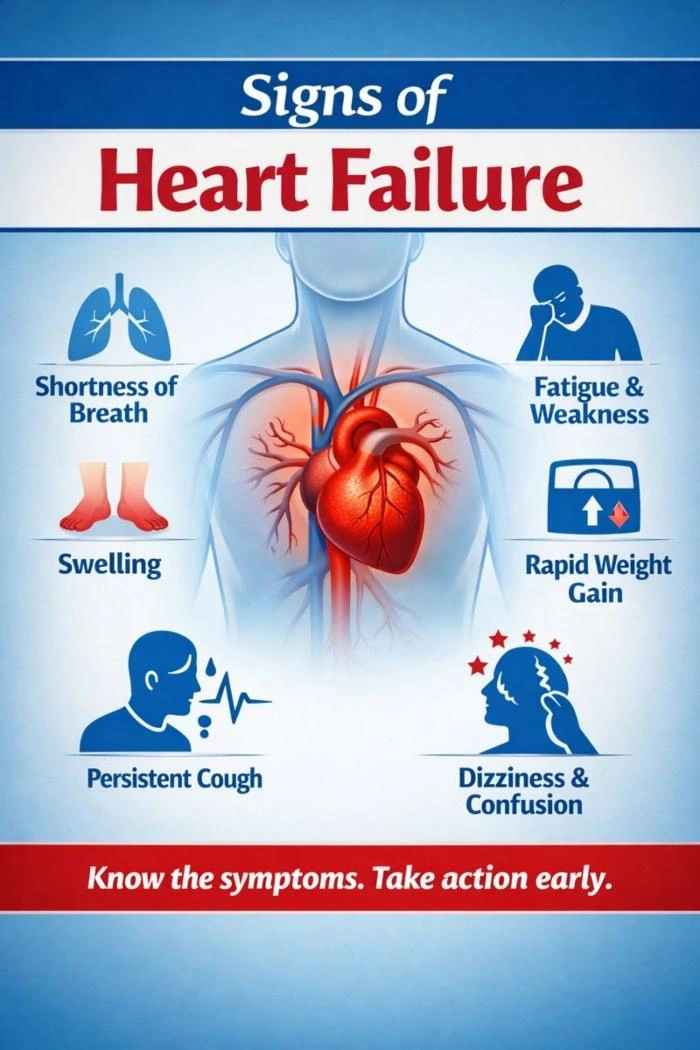
Recognising heart failure symptoms early is important because symptoms may develop gradually and can sometimes be mistaken for normal ageing, lack of fitness, stress or other health problems. Common warning signs include breathlessness, persistent coughing, unusual tiredness, swelling of the legs or ankles, rapid weight gain and difficulty lying flat.

If these symptoms are new, persistent or becoming worse, medical evaluation is important. Early diagnosis and appropriate treatment can help control symptoms, reduce complications and improve quality of life.

What Is Heart Failure?

Heart failure occurs when the heart is unable to pump blood sufficiently to meet the body’s requirements. It can happen because the heart muscle has become weak, stiff or damaged, or because another condition has affected how the heart works.

When the heart does not pump effectively, blood and fluid can build up in the lungs and other parts of the body. This can lead to many of the characteristic symptoms of heart failure, including breathlessness and swelling.

Heart failure may develop suddenly or gradually. Some people have noticeable symptoms, while others may initially have only mild changes in their ability to perform everyday activities.

What Are the Most Common Heart Failure Symptoms?

The symptoms of heart failure can vary from person to person. Some people experience primarily breathing problems, while others notice swelling, fatigue or changes in weight.

The most common heart failure symptoms include:

Symptom What you may notice
Shortness of breath Breathlessness during activity, while resting or when lying down
Persistent cough Ongoing cough or wheezing, sometimes worse at night
Swelling Fluid-related swelling in the feet, ankles, legs or abdomen
Fatigue Unusual tiredness or reduced ability to perform daily activities
Rapid weight gain Sudden increase in weight caused by fluid retention
Fast heartbeat Racing, pounding or fluttering heartbeat
Loss of appetite Feeling full quickly, nausea or reduced interest in food
Dizziness Light-headedness or feeling faint
Confusion Difficulty thinking clearly or changes in alertness

These symptoms can occur individually or together. Having one of these symptoms does not automatically mean that you have heart failure because several other medical conditions can cause similar symptoms. A doctor can determine the underlying cause through examination and appropriate testing.

1. Shortness of Breath

Shortness of breath is one of the most common heart failure symptoms.

Initially, you may notice breathlessness only during physical activity, such as:

  • Walking quickly
  • Climbing stairs
  • Carrying heavy objects
  • Exercising
  • Performing household activities

As heart failure progresses, breathlessness may occur with less activity or even while resting.

Some people also experience difficulty breathing when lying flat. They may need to sleep with multiple pillows or sit upright to breathe comfortably. Sudden breathlessness that wakes someone from sleep can also occur.

This happens because reduced heart function can cause blood and fluid to back up toward the lungs, making breathing more difficult.

2. Persistent Cough or Wheezing

A cough that does not go away can sometimes be associated with heart failure, particularly when it occurs along with breathlessness or swelling.

Fluid accumulation in the lungs can cause:

  • Persistent coughing
  • Wheezing
  • A moist or hacking cough
  • Cough that becomes worse at night

In severe situations, a person may cough up frothy or pink-tinged sputum. This requires urgent medical assessment.

However, cough is common in many respiratory conditions, so it should not be assumed to be caused by heart failure without proper evaluation.

3. Swelling in the Legs, Ankles or Feet

Swelling, medically known as edema, is another important warning sign.

You may notice swelling in:

  • Feet
  • Ankles
  • Lower legs
  • Fingers
  • Abdomen

Shoes or socks may suddenly feel tighter than usual. In some cases, pressing the swollen area may temporarily leave an indentation.

When the heart cannot pump blood efficiently, fluid can accumulate in the tissues. This can result in noticeable swelling and weight gain.

4. Persistent Fatigue and Weakness

Feeling tired after a busy day is normal. However, unexplained or persistent fatigue can be a potential heart failure symptom, particularly when it represents a significant change from your usual energy levels.

You may find that activities that were previously easy have become difficult, such as:

  • Walking short distances
  • Climbing stairs
  • Shopping
  • Cooking
  • Doing household chores
  • Carrying groceries

Reduced cardiac output can mean that muscles and other tissues do not receive enough oxygen-rich blood to meet their demands during activity.

5. Sudden Weight Gain

Unexpected weight gain over a short period can be an important sign of fluid retention.

Unlike weight gain caused by increased food intake, fluid-related weight gain can happen relatively quickly. People with heart failure may be advised by their healthcare team to monitor their weight regularly.

The American Heart Association notes that gaining more than 2–3 pounds in a day or more than 5 pounds in a week may indicate worsening fluid retention, although the appropriate threshold can vary between individuals.

If you have been diagnosed with heart failure, ask your doctor what amount of weight change should prompt you to contact your healthcare team.

6. Rapid or Irregular Heartbeat

Some people with heart failure experience a faster heartbeat or sensations such as:

  • Heart racing
  • Pounding heartbeat
  • Fluttering in the chest
  • Palpitations

The heart may beat faster as the body attempts to compensate for reduced pumping efficiency. Heart rhythm disorders can also contribute to or accompany heart failure.

Persistent or unexplained palpitations should be evaluated, particularly when accompanied by breathlessness, dizziness, chest discomfort or fainting.

7. Loss of Appetite, Nausea or Bloating

Heart failure can sometimes affect the digestive system.

A person may experience:

  • Reduced appetite
  • Nausea
  • Feeling full after eating a small amount
  • Abdominal bloating
  • Abdominal swelling

These symptoms may occur because reduced blood flow and fluid accumulation can affect the digestive system.

Because these symptoms are common in many digestive conditions, their significance depends on the overall clinical picture.

8. Dizziness, Light-Headedness or Confusion

Reduced blood flow can sometimes contribute to dizziness or light-headedness. Some people may also experience confusion or difficulty thinking clearly.

These symptoms deserve particular attention when they appear alongside other signs such as breathlessness, swelling or significant weakness.

Sudden confusion, fainting or severe dizziness should be assessed urgently, especially when accompanied by other serious symptoms.

Are Heart Failure Symptoms Different in Older Adults?

Heart failure can affect people of different ages, but symptoms in older adults may sometimes be less obvious.

Instead of reporting severe breathlessness, an older person may primarily show:

  • Reduced activity
  • Unusual tiredness
  • Difficulty completing routine tasks
  • Loss of appetite
  • Confusion
  • Reduced mobility
  • Increased sleeping or weakness

Family members may notice these changes before the person does. Any unexplained decline in everyday functioning should be discussed with a healthcare professional.

What Causes Heart Failure?

Heart failure can develop due to several conditions that damage or place excessive strain on the heart.

Common causes and risk factors include:

  • Coronary artery disease
  • Previous heart attack
  • High blood pressure
  • Heart valve disease
  • Cardiomyopathy
  • Abnormal heart rhythms
  • Diabetes
  • Certain congenital heart conditions
  • Some infections or inflammatory conditions
  • Long-term excessive alcohol consumption

The exact cause varies from one patient to another. Identifying the underlying cause is an important part of diagnosis and treatment.

How Is Heart Failure Diagnosed?

Heart failure cannot be diagnosed based on symptoms alone because breathlessness, fatigue, swelling and other symptoms can have many causes.

A doctor may begin with a medical history and physical examination and then recommend tests such as:

  • Blood tests
  • Electrocardiogram (ECG/EKG)
  • Echocardiogram
  • Chest X-ray
  • Cardiac MRI
  • Exercise or stress testing
  • Cardiac catheterisation, when appropriate

An echocardiogram can provide important information about the structure and function of the heart. Blood tests may also help doctors evaluate conditions associated with or contributing to heart failure.

Depending on the patient’s symptoms and medical history, additional testing may be recommended.

When Should You See a Doctor for Heart Failure Symptoms?

Do not ignore persistent or worsening symptoms.

You should arrange a medical evaluation if you experience:

  • New or worsening shortness of breath
  • Swelling of the feet, ankles or legs
  • Unexplained rapid weight gain
  • Persistent cough or wheezing
  • Unusual fatigue that interferes with daily activities
  • Difficulty breathing when lying down
  • Recurrent dizziness or light-headedness
  • Persistent or unexplained palpitations

Early assessment can help identify whether symptoms are related to heart failure or another medical condition.

When Is Heart Failure an Emergency?

Severe or sudden symptoms require immediate medical attention.

Seek emergency medical help if you develop:

  • Severe or sudden difficulty breathing
  • Breathlessness at rest that is rapidly worsening
  • Chest pain or pressure
  • Fainting or severe weakness
  • Sudden confusion
  • Coughing up pink or frothy sputum
  • Severe symptoms accompanied by a rapid or irregular heartbeat

These symptoms can indicate a serious cardiac or respiratory problem and should not be managed at home without medical evaluation.

Can Heart Failure Be Treated?

Although heart failure is generally a long-term condition, treatment can help control symptoms, reduce the risk of worsening disease and improve quality of life.

Treatment depends on the type and severity of heart failure and the underlying cause. It may include:

  • Prescription medications
  • Management of blood pressure and diabetes
  • Treatment of abnormal heart rhythms
  • Management of fluid retention
  • Lifestyle modifications
  • Devices or procedures for selected patients
  • Treatment of underlying heart valve or coronary artery disease

Modern heart failure management uses several evidence-based medication approaches, with treatment tailored to the patient’s heart function, symptoms, other medical conditions and individual needs.

Patients should take prescribed medicines exactly as directed and should not stop or change medication without consulting their doctor.

How Can You Monitor Heart Failure Symptoms at Home?

If you have been diagnosed with heart failure, monitoring changes can help identify worsening symptoms early.

Your healthcare team may recommend tracking:

What to monitor Why it matters
Daily weight Can identify rapid fluid retention
Breathing Worsening breathlessness may indicate increased congestion
Leg or ankle swelling May indicate increasing fluid accumulation
Heart rate Changes may indicate rhythm or circulation problems
Blood pressure Helps monitor cardiovascular status
Activity level A decline may indicate worsening symptoms
Appetite Changes can accompany worsening heart failure

Keeping a record of symptoms can help your healthcare team determine whether treatment needs adjustment.

Frequently Asked Questions About Heart Failure Symptoms

What is the first sign of heart failure?

There is no single first symptom for everyone. Some people initially experience shortness of breath during activity, while others notice unusual fatigue, swelling or reduced ability to perform everyday activities.

Can heart failure cause shortness of breath at night?

Yes. Heart failure can cause breathlessness when lying down or sudden episodes of breathlessness that wake a person from sleep. This may occur because fluid backs up toward the lungs.

Can swollen feet be a sign of heart failure?

Swollen feet and ankles can be associated with heart failure because of fluid accumulation. However, swelling can also have other causes, so persistent or unexplained swelling should be evaluated by a healthcare professional.

Can heart failure cause weight gain?

Yes. Rapid weight gain over a short period can occur when the body retains excess fluid. If you have heart failure, ask your doctor how frequently you should monitor your weight and what changes should be reported.

Is heart failure curable?

Heart failure is generally a chronic condition, but it can often be managed with appropriate treatment. Treatment aims to control symptoms, address the underlying cause and help prevent the condition from worsening.

Can heart failure symptoms come and go?

Yes. Symptoms can fluctuate, and some people may have periods when they feel relatively well. However, new or worsening symptoms should not be ignored because they may indicate that the condition is becoming less controlled.

Conclusion

Understanding heart failure symptoms can help patients recognise important changes in their health and seek medical attention at the right time. Shortness of breath, persistent cough, swelling in the legs or ankles, unexplained fatigue, rapid weight gain, palpitations, dizziness and changes in appetite can all occur with heart failure.

However, these symptoms are not specific to heart failure and should not be used for self-diagnosis. If you experience persistent, new or worsening symptoms, consult a qualified healthcare professional for an appropriate evaluation.

At Aayush Hospital, patients can seek medical evaluation for cardiovascular symptoms and receive appropriate diagnostic guidance based on their individual health needs. Prompt medical attention is especially important when symptoms are sudden, severe or rapidly worsening.

Contact Details:

Aayush Hospital

Aayush Multispeciality Hospital in Kalyan, Maharashtra

Address: 744Q+H7Q Shopping Complex, Building No. E2, 2nd & 3rd Floor, Radha Nagar, Khadakpada, Kalyan, Maharashtra 421301

Phone: 099670 08900

Website: aayush-hospitals.com


Nephrology

Kidney Stone Symptoms in Women: Signs, Causes, Diagnosis and Treatment

Kidney stones are hard, crystal-like deposits that form inside the kidneys when certain minerals and salts become concentrated in the urine. They can affect anyone, but kidney stone symptoms in women may sometimes be confused with urinary tract infections, menstrual cramps, pelvic pain, or other urinary and reproductive health conditions.

Recognising the symptoms early can help women seek appropriate medical evaluation and treatment. While small kidney stones may pass without causing significant problems, larger stones can block urine flow and cause severe pain or complications.

This guide explains the common kidney stone symptoms in women, possible causes and risk factors, how kidney stones are diagnosed, available treatment options, and when medical attention is necessary.

What Are Kidney Stones?

Kidney stones are solid deposits made from minerals and salts that develop inside the kidneys. They can remain in the kidney or travel through the urinary tract, including the ureter, bladder, and urethra.

The size of a kidney stone can vary considerably. Some are as small as grains of sand, while larger stones can obstruct the urinary tract.

Common types include:

  • Calcium stones: The most common type of kidney stone.
  • Uric acid stones: More likely to develop when urine is highly acidic.
  • Struvite stones: Often associated with certain urinary tract infections.
  • Cystine stones: Rare stones associated with an inherited condition called cystinuria.

Kidney Stone Symptoms in Women

The symptoms of kidney stones can vary depending on the size and location of the stone and whether it is blocking urine flow.

1. Severe Pain in the Side or Back

One of the most characteristic kidney stone symptoms in women is sudden, intense pain in the side or back.

The pain may:

  • Start suddenly
  • Occur below the ribs
  • Spread toward the lower abdomen or groin
  • Come in waves
  • Change in intensity over time

This pain is often called renal colic and may become particularly intense when the stone moves through the ureter.

2. Lower Abdominal or Groin Pain

As a kidney stone moves down the urinary tract, pain may shift from the back or side toward the lower abdomen, pelvis, or groin.

In women, this can sometimes be mistaken for:

  • Menstrual cramps
  • Ovulation pain
  • Pelvic pain
  • Urinary tract infection
  • Other gynaecological conditions

Persistent or severe pain should be evaluated by a healthcare professional rather than being assumed to be menstrual or pelvic discomfort.

3. Pain or Burning During Urination

A kidney stone near the bladder or ureter can cause discomfort while urinating.

You may experience:

  • Burning or stinging
  • Pain while passing urine
  • A frequent urge to urinate
  • Difficulty passing urine

These symptoms can resemble those of a urinary tract infection, which is why proper diagnosis is important.

4. Frequent Urination

Another possible symptom is an increased urge to urinate.

You may feel that you need to urinate frequently, even when only a small amount of urine is produced. This can occur when a stone moves closer to the bladder.

5. Blood in the Urine

Kidney stones can irritate the lining of the urinary tract, resulting in blood in the urine.

Blood may appear:

  • Pink
  • Red
  • Brown
  • Tea-coloured

Sometimes the amount of blood is too small to be visible and is detected only through a urine test.

6. Nausea and Vomiting

Severe pain caused by a kidney stone can trigger nausea or vomiting. These symptoms may occur along with intense back, side, abdominal, or groin pain.

Vomiting can also make it difficult to maintain adequate fluid intake, increasing the risk of dehydration.

7. Cloudy or Foul-Smelling Urine

Changes in urine appearance or smell may occur with kidney stones, particularly if a urinary tract infection is also present.

Cloudy or foul-smelling urine accompanied by fever, chills, or severe pain requires prompt medical assessment.

8. Difficulty Passing Urine

A larger stone can obstruct the urinary tract and interfere with normal urine flow.

Difficulty urinating or passing very little urine should not be ignored, particularly when accompanied by severe pain.

Common Kidney Stone Symptoms in Women at a Glance

Symptom What It May Feel Like
Side or back pain Severe, sharp or wave-like pain
Lower abdominal pain Pain that may move downward
Groin pain Discomfort as the stone travels
Painful urination Burning or stinging sensation
Frequent urination Frequent urge with small amounts
Blood in urine Pink, red, brown or tea-coloured urine
Nausea Feeling sick, often with severe pain
Vomiting May occur during severe attacks
Cloudy urine Urine appears less clear than usual
Difficulty urinating Reduced or interrupted urine flow

What Causes Kidney Stones in Women?

Kidney stones develop when substances that can form crystals become concentrated in the urine.

Several factors can increase the risk, including:

Dehydration

Not drinking enough fluids can make urine more concentrated, allowing minerals to crystallise more easily.

Women who regularly drink insufficient water, particularly in hot weather or during strenuous activity, may have an increased risk.

Dietary Factors

Certain dietary patterns may contribute to kidney stone formation. Depending on the type of stone, factors may include high intake of sodium, excessive amounts of certain animal proteins, or inadequate dietary calcium.

A balanced diet and appropriate fluid intake can help reduce risk.

Family History

A family history of kidney stones can increase a person’s likelihood of developing them.

Previous Kidney Stones

People who have had kidney stones before may be more likely to develop them again.

Certain Medical Conditions

Some medical conditions can affect the concentration of minerals and other substances in urine, increasing the risk of stone formation.

Urinary Tract Infections

Certain urinary infections can contribute to the development of specific types of kidney stones.

Are Kidney Stone Symptoms in Women Different From Men?

The basic symptoms of kidney stones are generally similar in women and men. However, women may find it more difficult to identify the cause of pain because some kidney stone symptoms can overlap with symptoms of other conditions.

For example, lower abdominal or pelvic discomfort may be confused with:

  • Period-related cramps
  • Urinary tract infections
  • Ovarian conditions
  • Pelvic disorders
  • Gastrointestinal problems

This is why persistent, severe, unusual, or recurring pain should be evaluated rather than self-diagnosed.

Kidney Stones vs UTI: How Are They Different?

Kidney stones and urinary tract infections can cause similar urinary symptoms, but there are important differences.

Feature Kidney Stones UTI
Side/back pain Common, especially with obstruction May occur if infection involves the kidney
Painful urination Possible Common
Blood in urine Possible Possible
Frequent urination Possible Common
Severe wave-like pain More characteristic of stones Less typical
Fever/chills May occur if infection is present Common with significant infection
Nausea/vomiting Possible with severe pain May occur with kidney infection

Because symptoms can overlap, urine tests and imaging may be required to determine the cause.

How Are Kidney Stones Diagnosed?

If kidney stones are suspected, a healthcare professional may recommend one or more tests.

Medical History and Physical Examination

The doctor may ask about:

  • Location and severity of pain
  • Urinary symptoms
  • Previous kidney stones
  • Fluid intake
  • Medical history
  • Family history
  • Medications

Urine Tests

A urine examination can help identify blood, signs of infection, crystals, and other abnormalities.

Blood Tests

Blood tests may be used to evaluate kidney function and measure certain substances that can be associated with stone formation.

Imaging Tests

Imaging can help identify the size and location of a kidney stone. Depending on the situation, a doctor may recommend an ultrasound, X-ray, or CT scan.

Treatment for Kidney Stones

Treatment depends on factors such as the stone’s size, location, symptoms, and whether it is causing obstruction or infection.

Observation and Fluids

Small stones may sometimes pass naturally through the urinary tract. A doctor may recommend adequate fluid intake and monitoring when appropriate.

Medication

Depending on the individual situation, medicines may be prescribed to manage pain, nausea, or help facilitate stone passage.

Shock Wave Lithotripsy

Shock wave lithotripsy uses focused shock waves to break certain kidney stones into smaller pieces that can pass through the urinary tract.

Ureteroscopy

During ureteroscopy, a thin instrument is guided through the urinary tract to locate and treat the stone. The stone may be removed or broken into smaller fragments.

Surgical Treatment

Larger, complicated, or difficult-to-treat stones may require a surgical procedure. The appropriate approach depends on the stone’s size, location, and the patient’s overall health.

When Should Women Seek Medical Help?

Some kidney stones can pass without major complications, but certain symptoms require prompt medical attention.

Seek urgent medical evaluation if you experience:

  • Severe or worsening pain
  • Fever or chills with urinary symptoms
  • Repeated vomiting
  • Difficulty passing urine
  • Very little or no urine
  • Blood in the urine
  • Severe weakness or dehydration
  • Symptoms that suddenly become worse

A kidney stone causing urinary obstruction along with an infection can become a serious medical problem and requires prompt treatment.

How Can Kidney Stones Be Prevented?

Not all kidney stones can be prevented, but several lifestyle measures may reduce the risk.

Drink Enough Fluids

Adequate hydration helps dilute substances in the urine that can form crystals. Water is generally the preferred fluid.

Reduce Excess Sodium

A high-sodium diet can increase the amount of calcium excreted in urine, potentially contributing to certain kidney stones.

Maintain a Balanced Diet

A balanced diet with appropriate portions of fruits, vegetables, whole grains, and other nutritious foods can support overall urinary and kidney health.

Follow Individual Dietary Advice

People who have previously developed kidney stones may benefit from dietary recommendations based on the specific type of stone they formed.

Frequently Asked Questions About Kidney Stone Symptoms in Women

What is the most common kidney stone symptom in women?

Severe pain in the side or back is one of the most characteristic symptoms. The pain may move toward the lower abdomen or groin as the stone travels through the urinary tract.

Can kidney stones cause pain in the lower abdomen?

Yes. As a kidney stone moves through the ureter, pain may shift toward the lower abdomen, pelvis, or groin.

Can kidney stones cause burning while urinating?

Yes. A stone, particularly one located closer to the bladder, may cause painful or burning urination. Similar symptoms can also occur with a UTI.

Can kidney stones cause blood in urine?

Yes. Kidney stones can irritate the urinary tract and cause blood in the urine. Blood may be visible or detected only through testing.

Can kidney stones be confused with period pain?

Yes. Lower abdominal or pelvic discomfort caused by a kidney stone may sometimes be mistaken for menstrual cramps. Severe, unusual, or persistent pain should be medically evaluated.

How long does kidney stone pain last?

The duration varies depending on the size and location of the stone and whether it is moving through the urinary tract. Persistent or severe pain should be assessed by a healthcare professional.

Can kidney stones go away on their own?

Some small kidney stones can pass naturally. However, larger stones or stones causing obstruction, significant symptoms, or infection may require medical treatment.

When is a kidney stone an emergency?

A kidney stone accompanied by fever or chills, severe worsening pain, persistent vomiting, difficulty passing urine, or very little urine requires urgent medical evaluation.

Conclusion

Understanding kidney stone symptoms in women can help women recognise when urinary or abdominal symptoms may require medical attention. Severe side or back pain, lower abdominal or groin pain, painful urination, frequent urination, blood in the urine, nausea, and vomiting can all occur with kidney stones.

Because these symptoms can overlap with UTIs and other conditions, accurate diagnosis is important. Medical evaluation can determine whether a stone is present, where it is located, how large it is, and whether treatment is necessary.

If you experience severe or persistent symptoms, particularly pain accompanied by fever, vomiting, or difficulty passing urine, consult a qualified healthcare professional promptly.

Contact Details:

Aayush Hospital

Aayush Multispeciality Hospital in Kalyan, Maharashtra

Address: 744Q+H7Q Shopping Complex, Building No. E2, 2nd & 3rd Floor, Radha Nagar, Khadakpada, Kalyan, Maharashtra 421301

Phone: 099670 08900

Website: aayush-hospitals.com


Oncology

What Are the 4 Types of Blood Cancer? Symptoms, Causes, Diagnosis & Treatment

Blood cancer is a group of cancers that affect the blood, bone marrow, and lymphatic system. Unlike solid tumors that form in organs such as the lungs or breast, blood cancers interfere with the production and function of healthy blood cells. These conditions can weaken the immune system, reduce the body’s ability to carry oxygen, and affect blood clotting.

If you’ve ever wondered, what are the 4 types of blood cancer, understanding each type can help you recognize symptoms early and seek timely medical care. Advances in diagnostic techniques and treatment options have significantly improved outcomes, making early detection more important than ever.

In this guide, we’ll explain what are the 4 types of blood cancer, their causes, symptoms, diagnosis, treatment options, and preventive measures.

What Is Blood Cancer?

Blood cancer occurs when abnormal blood cells grow uncontrollably, preventing healthy blood cells from performing their normal functions. Most blood cancers begin in the bone marrow, where blood cells are produced.

Healthy blood contains:

  • Red blood cells (carry oxygen)
  • White blood cells (fight infections)
  • Platelets (help blood clot)

When cancer develops, abnormal cells multiply rapidly, crowding out healthy blood cells and affecting the body’s normal functioning.

What Are the 4 Types of Blood Cancer?

The four primary types of blood cancer include:

Type of Blood Cancer Affected Area Main Function Affected
Leukemia Blood and bone marrow White blood cell production
Lymphoma Lymphatic system Immune function
Multiple Myeloma Plasma cells in bone marrow Antibody production
Myelodysplastic Syndromes (MDS) Bone marrow Production of healthy blood cells

Let’s understand each of these in detail.

1. Leukemia

Leukemia is one of the most common blood cancers and begins in the bone marrow, where abnormal white blood cells are produced in large numbers. These abnormal cells interfere with the production of healthy blood cells and reduce the body’s ability to fight infections.

Types of Leukemia

Leukemia is broadly classified into four major forms:

  • Acute Lymphoblastic Leukemia (ALL)
  • Acute Myeloid Leukemia (AML)
  • Chronic Lymphocytic Leukemia (CLL)
  • Chronic Myeloid Leukemia (CML)

Acute leukemia develops rapidly and requires prompt treatment, whereas chronic leukemia progresses more slowly and may remain stable for years before treatment is needed.

Symptoms of Leukemia

  • Persistent fatigue
  • Fever
  • Frequent infections
  • Easy bruising
  • Bleeding gums
  • Nosebleeds
  • Bone pain
  • Joint pain
  • Swollen lymph nodes
  • Unexplained weight loss
  • Pale skin

Risk Factors

  • Previous chemotherapy or radiation
  • Genetic disorders
  • Smoking
  • Exposure to certain chemicals
  • Family history

2. Lymphoma

Lymphoma is a cancer of the lymphatic system, an important part of the body’s immune defense. It affects lymphocytes, a type of white blood cell responsible for fighting infections.

There are two main categories:

Hodgkin Lymphoma

This type is characterized by the presence of Reed-Sternberg cells and generally has a high cure rate when diagnosed early.

Non-Hodgkin Lymphoma

This is more common and includes many different subtypes that vary in severity and growth rate.

Symptoms of Lymphoma

  • Swollen lymph nodes
  • Night sweats
  • Fever
  • Fatigue
  • Persistent itching
  • Weight loss
  • Chest pain
  • Shortness of breath

Risk Factors

  • Weak immune system
  • Viral infections
  • Increasing age
  • Family history
  • Autoimmune diseases

3. Multiple Myeloma

Multiple myeloma develops in plasma cells, which produce antibodies to help fight infections. Cancerous plasma cells accumulate in the bone marrow, reducing the production of healthy blood cells and damaging bones.

Symptoms

  • Bone pain
  • Frequent fractures
  • Fatigue
  • Recurrent infections
  • Kidney problems
  • Excessive thirst
  • Numbness
  • Weakness

Complications

Multiple myeloma can cause:

  • Bone destruction
  • Kidney failure
  • Low immunity
  • Anemia
  • High calcium levels

Risk Factors

  • Older age
  • Male gender
  • Family history
  • Obesity
  • Exposure to radiation

4. Myelodysplastic Syndromes (MDS)

Myelodysplastic Syndromes (MDS) are a group of disorders in which the bone marrow fails to produce enough healthy blood cells. While not every case progresses to leukemia, some forms may develop into Acute Myeloid Leukemia (AML).

Symptoms

  • Persistent fatigue
  • Weakness
  • Frequent infections
  • Easy bruising
  • Nosebleeds
  • Pale skin
  • Shortness of breath

Risk Factors

  • Older age
  • Previous chemotherapy
  • Radiation therapy
  • Chemical exposure
  • Smoking

Comparison of the 4 Types of Blood Cancer

Blood Cancer Starts In Common Age Group Progression
Leukemia Bone marrow Children and adults Acute or chronic
Lymphoma Lymph nodes All age groups Slow or aggressive
Multiple Myeloma Plasma cells Older adults Usually gradual
MDS Bone marrow Older adults May progress to leukemia

Common Symptoms of Blood Cancer

Although each type differs, many patients experience similar symptoms.

Watch for:

  • Persistent fatigue
  • Fever without infection
  • Night sweats
  • Frequent infections
  • Easy bruising
  • Excessive bleeding
  • Pale skin
  • Bone pain
  • Swollen lymph nodes
  • Unexplained weight loss
  • Shortness of breath
  • Weakness

If these symptoms persist for several weeks, consult a healthcare professional promptly.

What Causes Blood Cancer?

The exact cause remains unknown in many cases. However, several factors increase the risk.

Genetic Factors

Certain inherited disorders increase susceptibility.

Environmental Exposure

  • Benzene
  • Radiation
  • Industrial chemicals

Lifestyle Factors

  • Smoking
  • Obesity

Medical History

  • Previous chemotherapy
  • Organ transplantation
  • Immunosuppressive medications

Viral Infections

Certain viruses are associated with specific blood cancers.

How Is Blood Cancer Diagnosed?

Early diagnosis improves treatment outcomes.

Doctors may recommend:

Diagnostic Test Purpose
Complete Blood Count (CBC) Detect abnormal blood cells
Peripheral Blood Smear Examine blood cell appearance
Bone Marrow Biopsy Confirm bone marrow involvement
Flow Cytometry Identify abnormal cell types
Immunophenotyping Classify blood cancer
Cytogenetic Testing Detect chromosome abnormalities
CT Scan Assess lymph node involvement
PET Scan Detect cancer spread
MRI Evaluate bone or spinal involvement

Additional molecular and genetic testing may help guide targeted treatment.

Stages of Blood Cancer

Unlike many solid tumors, not all blood cancers are staged in the same way.

  • Leukemia is classified by subtype and disease burden.
  • Lymphoma is commonly staged from I to IV based on the extent of spread.
  • Multiple myeloma is staged using systems that assess blood markers and organ involvement.
  • MDS is categorized based on risk scores that predict disease progression.

The stage or classification helps doctors determine the most appropriate treatment plan.

Treatment Options for Blood Cancer

Treatment depends on:

  • Type of blood cancer
  • Stage of disease
  • Age
  • Overall health
  • Genetic findings

Chemotherapy

Uses medications to destroy rapidly growing cancer cells.

Targeted Therapy

Targets specific proteins or genetic mutations found in cancer cells while minimizing damage to healthy tissue.

Immunotherapy

Boosts the body’s immune system to recognize and attack cancer cells.

Radiation Therapy

May be used for localized lymphoma or before stem cell transplantation.

Stem Cell (Bone Marrow) Transplant

Healthy stem cells replace diseased bone marrow after high-dose treatment.

Supportive Care

Supportive treatments improve quality of life and help manage complications.

These may include:

  • Blood transfusions
  • Platelet transfusions
  • Antibiotics
  • Growth factor injections
  • Pain management
  • Nutritional support

Can Blood Cancer Be Prevented?

There is no guaranteed way to prevent blood cancer, but certain measures may reduce risk.

Healthy Lifestyle Tips

  • Avoid smoking
  • Maintain a healthy weight
  • Eat a balanced diet
  • Exercise regularly
  • Limit exposure to harmful chemicals
  • Follow workplace safety guidelines
  • Attend regular health check-ups

While prevention is not always possible, early diagnosis can make treatment more effective.

When Should You See a Doctor?

Seek medical attention if you notice:

  • Persistent fever
  • Unexplained fatigue
  • Frequent infections
  • Swollen lymph nodes
  • Easy bruising
  • Continuous bleeding
  • Bone pain
  • Night sweats
  • Unintentional weight loss

Early evaluation allows for timely diagnosis and appropriate treatment.

Living with Blood Cancer

A blood cancer diagnosis can be physically and emotionally challenging, but many patients lead fulfilling lives during and after treatment. Advances in targeted therapies, immunotherapy, and stem cell transplantation have improved survival rates and quality of life for many individuals.

Managing blood cancer often involves regular follow-up appointments, monitoring blood counts, maintaining good nutrition, staying physically active as advised, and seeking emotional support from family, support groups, or mental health professionals.

Frequently Asked Questions (FAQs)

What are the 4 types of blood cancer?

The four main types of blood cancer are Leukemia, Lymphoma, Multiple Myeloma, and Myelodysplastic Syndromes (MDS). Each affects different blood-forming cells or parts of the immune system.

Which blood cancer is the most common?

Leukemia is one of the most common blood cancers overall. Among adults, Non-Hodgkin lymphoma is also frequently diagnosed, while Acute Lymphoblastic Leukemia (ALL) is more common in children.

Is blood cancer curable?

Some blood cancers can be cured, especially when diagnosed early and treated appropriately. Others may be managed as chronic conditions with ongoing treatment.

What is the first symptom of blood cancer?

Early symptoms often include fatigue, frequent infections, unexplained bruising, fever, swollen lymph nodes, or weight loss. Symptoms vary depending on the type of blood cancer.

Can blood cancer be detected through a blood test?

A Complete Blood Count (CBC) may reveal abnormal blood cell counts that suggest blood cancer. However, additional tests such as a bone marrow biopsy and specialized laboratory studies are usually needed to confirm the diagnosis.

Who is at higher risk of developing blood cancer?

Risk may be higher in older adults, people with a family history of blood cancer, individuals exposed to certain chemicals or radiation, smokers, and those with specific genetic or immune system disorders.

Conclusion

Understanding what are the 4 types of blood cancer can help individuals recognize warning signs, seek medical advice promptly, and make informed decisions about their health. Leukemia, lymphoma, multiple myeloma, and myelodysplastic syndromes each affect the blood and bone marrow in different ways, but all benefit from early diagnosis and personalized treatment. If you or a loved one experiences persistent symptoms such as unexplained fatigue, frequent infections, swollen lymph nodes, or unusual bleeding, consult a healthcare professional without delay. At Aayush Hospital, our multidisciplinary team is committed to providing comprehensive evaluation, advanced diagnostic services, and individualized treatment to support patients through every stage of their care.

Contact Details:

Aayush Hospital

Aayush Multispeciality Hospital in Kalyan, Maharashtra

Address: 744Q+H7Q Shopping Complex, Building No. E2, 2nd & 3rd Floor, Radha Nagar, Khadakpada, Kalyan, Maharashtra 421301

Phone: 099670 08900

Website: aayush-hospitals.com


Dermatology

Skin Allergy Types: Symptoms, Causes, Diagnosis & Treatment

Skin allergies are among the most common skin conditions affecting people of all ages. They can develop suddenly or gradually due to exposure to allergens, environmental triggers, medications, or underlying health conditions. While some skin allergies cause mild itching and redness, others can significantly impact your daily life and require medical attention.

Understanding the different skin allergy types is essential for identifying symptoms early, avoiding triggers, and seeking appropriate treatment. In this comprehensive guide, we’ll discuss the various types of skin allergies, their causes, symptoms, diagnosis, treatment options, and preventive measures.

What Is a Skin Allergy?

A skin allergy occurs when your immune system reacts abnormally to a substance that is usually harmless. These substances, known as allergens, trigger an inflammatory response that leads to itching, redness, swelling, rashes, or blisters.

Common allergens include:

  • Certain foods
  • Medications
  • Cosmetics
  • Metals such as nickel
  • Latex
  • Dust mites
  • Pet dander
  • Pollen
  • Soaps and detergents
  • Plants like poison ivy

The severity of skin allergies varies from person to person depending on their immune response and level of exposure.

Common Skin Allergy Types

There are several skin allergy types, each with distinct causes, symptoms, and treatment approaches.

Skin Allergy Type Main Symptoms Common Causes
Contact Dermatitis Redness, itching, blisters Cosmetics, metals, soaps
Atopic Dermatitis (Eczema) Dry, itchy skin Genetics, allergens
Urticaria (Hives) Raised itchy welts Food, medicines, infections
Angioedema Deep swelling Allergies, medications
Drug Allergy Rash Red rash, itching Antibiotics, painkillers
Photoallergic Reaction Rash after sun exposure Medicines, skincare products

1. Contact Dermatitis

Contact dermatitis develops when the skin comes into direct contact with an irritant or allergen.

Types

Allergic Contact Dermatitis

Occurs when the immune system reacts to substances like:

  • Nickel jewelry
  • Hair dyes
  • Fragrances
  • Cosmetics
  • Latex gloves
  • Adhesives

Irritant Contact Dermatitis

Results from repeated exposure to:

  • Detergents
  • Cleaning chemicals
  • Sanitizers
  • Soaps
  • Industrial chemicals

Symptoms

  • Red rash
  • Burning sensation
  • Itching
  • Swelling
  • Dry skin
  • Blisters
  • Cracked skin

Treatment

  • Avoid the triggering substance
  • Topical corticosteroid creams
  • Moisturizers
  • Oral antihistamines
  • Cold compresses

2. Atopic Dermatitis (Eczema)

Atopic dermatitis is one of the most common chronic skin allergy types, particularly in children, although adults can also develop it.

It often occurs in people with:

  • Asthma
  • Hay fever
  • Family history of allergies

Symptoms

  • Extremely dry skin
  • Severe itching
  • Thickened skin
  • Red or brown patches
  • Crusting
  • Skin infections from scratching

Common Triggers

  • Dust mites
  • Wool clothing
  • Sweat
  • Heat
  • Stress
  • Dry weather
  • Certain foods

Treatment

  • Regular moisturizers
  • Prescription creams
  • Anti-inflammatory medications
  • Antihistamines
  • Avoiding triggers

3. Urticaria (Hives)

Hives are itchy, raised welts that appear suddenly and may disappear within hours.

They can be:

  • Acute (lasting less than six weeks)
  • Chronic (lasting more than six weeks)

Causes

  • Food allergies
  • Insect bites
  • Viral infections
  • Medicines
  • Temperature changes
  • Stress

Symptoms

  • Raised pink or red welts
  • Intense itching
  • Burning sensation
  • Swelling

Treatment

  • Antihistamines
  • Corticosteroids (for severe cases)
  • Identifying triggers

4. Angioedema

Angioedema is similar to hives but affects deeper layers of the skin.

Common Areas

  • Lips
  • Eyelids
  • Tongue
  • Hands
  • Feet
  • Throat

Symptoms

  • Sudden swelling
  • Pain
  • Tightness
  • Difficulty swallowing
  • Breathing difficulty (medical emergency)

Causes

  • Food allergies
  • Medication allergies
  • Insect stings
  • Genetic conditions

Emergency treatment is necessary if swelling affects breathing.

5. Drug-Induced Skin Allergy

Some medications trigger allergic skin reactions.

Common Medicines

  • Penicillin
  • Sulfa drugs
  • NSAIDs
  • Anti-seizure medications

Symptoms

  • Rash
  • Itching
  • Red spots
  • Hives
  • Fever
  • Swelling

Treatment

  • Stop the medication (only under medical guidance)
  • Antihistamines
  • Steroids
  • Alternative medication if required

6. Photoallergic Skin Reaction

Some individuals develop allergic reactions when sunlight interacts with certain medications or skincare products.

Common Triggers

  • Antibiotics
  • Sunscreens
  • Perfumes
  • Anti-inflammatory drugs

Symptoms

  • Red rash
  • Itching
  • Blisters
  • Burning sensation

Prevention

  • Wear sunscreen
  • Protective clothing
  • Avoid peak sunlight

7. Latex Allergy

Latex allergies are common among healthcare workers and individuals frequently exposed to rubber products.

Symptoms

  • Skin redness
  • Itching
  • Hives
  • Swelling

Severe reactions may cause breathing problems requiring immediate medical care.

8. Insect Bite Allergy

Some people experience allergic skin reactions after bites from:

  • Mosquitoes
  • Bees
  • Wasps
  • Ants
  • Fleas

Symptoms

  • Swelling
  • Redness
  • Itching
  • Pain
  • Large local reactions

Symptoms of Skin Allergies

Although symptoms vary across different skin allergy types, common signs include:

  • Persistent itching
  • Red patches
  • Dry skin
  • Blisters
  • Raised bumps
  • Burning sensation
  • Skin peeling
  • Swelling
  • Cracked skin
  • Oozing lesions

Some individuals may also experience:

  • Sneezing
  • Watery eyes
  • Runny nose
  • Breathing difficulties (in severe allergic reactions)

Causes of Skin Allergies

Skin allergies occur due to immune system hypersensitivity.

Common triggers include:

Environmental Allergens

  • Pollen
  • Dust mites
  • Mold
  • Animal dander

Food Allergens

  • Milk
  • Eggs
  • Peanuts
  • Seafood
  • Soy
  • Wheat

Chemical Products

  • Detergents
  • Soaps
  • Perfumes
  • Cosmetics
  • Hair dyes

Medications

  • Antibiotics
  • Painkillers
  • Anti-inflammatory medicines

Metals

  • Nickel
  • Chromium
  • Cobalt

Risk Factors

You may have a higher risk of developing skin allergies if you have:

  • Family history of allergies
  • Asthma
  • Hay fever
  • Sensitive skin
  • Autoimmune disorders
  • Frequent exposure to chemicals
  • Occupational exposure

How Skin Allergies Are Diagnosed

A dermatologist or allergy specialist may recommend:

Diagnostic Test Purpose
Physical examination Evaluate skin lesions
Medical history Identify possible triggers
Patch test Detect contact allergies
Skin prick test Identify environmental allergies
Blood tests Measure allergy-related antibodies
Elimination testing Identify food allergies

Accurate diagnosis helps determine the exact allergy type and appropriate treatment.

Treatment for Different Skin Allergy Types

Treatment depends on the severity and underlying cause.

Medications

Doctors may prescribe:

  • Oral antihistamines
  • Corticosteroid creams
  • Oral steroids
  • Immunomodulator creams
  • Antibiotics (if infection develops)

Moisturizers

Regular moisturizing helps:

  • Restore the skin barrier
  • Reduce dryness
  • Minimize itching

Allergen Avoidance

Identifying and avoiding triggers remains one of the most effective long-term management strategies.

Home Care Tips

Patients with skin allergies can reduce flare-ups by following these measures:

  • Use fragrance-free skincare products
  • Avoid scratching affected skin
  • Keep nails trimmed
  • Wear loose cotton clothing
  • Bathe with lukewarm water
  • Apply moisturizer immediately after bathing
  • Stay hydrated
  • Manage stress
  • Use hypoallergenic detergents

When Should You Visit a Doctor?

Seek medical attention if you experience:

  • Persistent rash lasting more than one week
  • Severe itching affecting sleep
  • Skin infection
  • Fever with rash
  • Facial swelling
  • Difficulty breathing
  • Recurrent skin allergies
  • Extensive blistering

Early treatment prevents complications and improves recovery.

Can Skin Allergies Be Prevented?

While not every allergy can be prevented, these preventive measures can significantly reduce flare-ups.

Prevention Tips

  • Identify allergy triggers
  • Avoid harsh soaps
  • Moisturize daily
  • Wear gloves while handling chemicals
  • Choose hypoallergenic cosmetics
  • Read medication labels carefully
  • Protect skin from excessive sunlight
  • Follow prescribed treatment plans

Possible Complications

Untreated skin allergies may lead to:

  • Chronic eczema
  • Skin infections
  • Permanent skin thickening
  • Sleep disturbances
  • Anxiety
  • Reduced quality of life
  • Secondary bacterial infections

Prompt treatment helps prevent these complications.

Living Well with Skin Allergies

Many skin allergies can be effectively managed with proper diagnosis, medication, skincare, and lifestyle modifications. Keeping a symptom diary, avoiding known triggers, and following your doctor’s recommendations can greatly reduce flare-ups and improve comfort. Regular follow-up is especially important for individuals with chronic conditions such as eczema or recurrent hives.

Frequently Asked Questions (FAQs)

What are the most common skin allergy types?

The most common skin allergy types include contact dermatitis, atopic dermatitis (eczema), urticaria (hives), angioedema, drug-induced allergic rashes, latex allergy, and photoallergic reactions.

Can skin allergies disappear on their own?

Mild allergic reactions may resolve once the allergen is removed. Chronic conditions like eczema often require ongoing treatment and skincare.

How do doctors identify the cause of a skin allergy?

Doctors may perform a physical examination, review your medical history, and recommend patch tests, skin prick tests, or blood tests to identify specific allergens.

Are skin allergies contagious?

No. Skin allergies are immune system reactions and cannot spread from one person to another.

Can stress worsen skin allergies?

Yes. Stress can trigger or worsen certain skin allergy conditions, especially eczema and chronic hives.

What foods commonly trigger skin allergies?

Common food allergens include milk, eggs, peanuts, tree nuts, soy, wheat, shellfish, and fish, though triggers vary from person to person.

Conclusion

Understanding the various skin allergy types is the first step toward effective prevention and treatment. Whether the reaction is caused by contact with an irritant, food, medication, or environmental allergens, early diagnosis and appropriate medical care can help control symptoms and prevent complications. If you experience persistent itching, rashes, swelling, or recurrent allergic reactions, consult a qualified dermatologist for an accurate diagnosis and personalized treatment plan. At Aayush Hospital, our experienced specialists are committed to providing comprehensive care to help you manage skin allergies and maintain healthy skin.

Contact Details:

Aayush Hospital

Aayush Multispeciality Hospital in Kalyan, Maharashtra

Address: 744Q+H7Q Shopping Complex, Building No. E2, 2nd & 3rd Floor, Radha Nagar, Khadakpada, Kalyan, Maharashtra 421301

Phone: 099670 08900

Website: aayush-hospitals.com


Cardiology

Coronary Artery Disease Symptoms: Early Warning Signs, Causes & Treatment

Coronary artery disease (CAD) is one of the leading causes of heart attacks and heart-related deaths worldwide. It develops when the coronary arteries, which supply oxygen-rich blood to the heart muscle, become narrowed or blocked due to the buildup of fatty deposits called plaque. Over time, this reduced blood flow can weaken the heart and increase the risk of serious complications.

Recognizing coronary artery disease symptoms early is essential because prompt diagnosis and treatment can help prevent heart attacks, improve heart function, and enhance quality of life. While some people experience obvious warning signs, others may have mild symptoms or no symptoms until the disease has progressed.

In this comprehensive guide, you’ll learn about coronary artery disease symptoms, causes, risk factors, diagnosis, treatment options, and preventive measures.

What Is Coronary Artery Disease?

Coronary artery disease (CAD), also known as coronary heart disease or ischemic heart disease, occurs when plaque made up of cholesterol, fat, calcium, and other substances builds up inside the coronary arteries. This process, called atherosclerosis, narrows the arteries and reduces blood flow to the heart muscle.

When the heart does not receive enough oxygen-rich blood, it can lead to chest pain (angina), shortness of breath, irregular heart rhythms, or even a heart attack.

Coronary Artery Disease Symptoms

The severity of coronary artery disease symptoms depends on the extent of artery blockage. Some people experience symptoms only during physical activity or stress, while others may have symptoms even at rest.

1. Chest Pain (Angina)

Chest pain is the most common symptom of coronary artery disease.

It may feel like:

  • Pressure in the chest
  • Tightness
  • Squeezing sensation
  • Heaviness
  • Burning discomfort

The pain may spread to:

  • Left arm
  • Right arm
  • Neck
  • Jaw
  • Shoulder
  • Upper back

Angina often occurs during physical exertion or emotional stress and usually improves with rest or medication.

2. Shortness of Breath

Reduced blood flow to the heart can make it difficult for the heart to pump efficiently, causing:

  • Breathlessness during activity
  • Difficulty climbing stairs
  • Shortness of breath while walking
  • Breathing difficulty while lying flat (in advanced cases)

3. Fatigue

Many people experience unusual tiredness even after minimal activity because the heart cannot pump enough blood to meet the body’s needs.

Symptoms include:

  • Low energy
  • Weakness
  • Difficulty performing daily activities

4. Pain in Other Areas

Heart-related pain isn’t always limited to the chest.

Some people experience discomfort in:

  • Neck
  • Jaw
  • Left shoulder
  • Both arms
  • Upper abdomen
  • Back

This is particularly common in women, older adults, and people with diabetes.

5. Heart Palpitations

Patients may notice:

  • Rapid heartbeat
  • Fluttering sensation
  • Irregular heartbeat
  • Skipped beats

6. Dizziness or Lightheadedness

Reduced blood flow may result in:

  • Feeling faint
  • Sudden dizziness
  • Loss of balance
  • Near-fainting episodes

7. Nausea and Sweating

Some individuals, particularly women, may experience:

  • Cold sweats
  • Nausea
  • Vomiting
  • Indigestion-like discomfort

8. Heart Attack Symptoms

In some cases, the first sign of coronary artery disease is a heart attack.

Symptoms include:

  • Severe chest pain lasting more than a few minutes
  • Pain spreading to the arm, jaw, neck, or back
  • Shortness of breath
  • Cold sweat
  • Nausea
  • Vomiting
  • Sudden weakness
  • Loss of consciousness

A heart attack is a medical emergency. Seek immediate emergency medical care if these symptoms occur.

Early vs Advanced Coronary Artery Disease Symptoms

Early Symptoms Advanced Symptoms
Mild chest discomfort Severe chest pain
Fatigue during activity Chest pain at rest
Shortness of breath while exercising Heart attack
Reduced exercise tolerance Heart failure symptoms
Occasional palpitations Severe breathlessness

Causes of Coronary Artery Disease

Coronary artery disease develops gradually due to plaque buildup inside the arteries.

Common causes include:

  • High cholesterol
  • High blood pressure
  • Smoking
  • Diabetes
  • Obesity
  • Physical inactivity
  • Chronic stress
  • Unhealthy diet
  • Aging
  • Family history of heart disease

Risk Factors

Certain individuals are more likely to develop coronary artery disease.

Non-Modifiable Risk Factors

  • Increasing age
  • Male gender (higher risk at younger ages)
  • Family history of heart disease
  • Genetic predisposition

Modifiable Risk Factors

  • Smoking
  • High cholesterol
  • Hypertension
  • Diabetes
  • Obesity
  • Sedentary lifestyle
  • Poor diet
  • Excessive alcohol consumption
  • Stress

How Is Coronary Artery Disease Diagnosed?

Doctors use several tests to confirm CAD and determine its severity.

Test Purpose
Physical examination Evaluate heart health
Blood tests Check cholesterol, blood sugar, and heart damage markers
Electrocardiogram (ECG) Detect abnormal heart rhythms or signs of reduced blood flow
Echocardiogram Assess heart structure and pumping function
Stress test Evaluate heart performance during exercise or medication-induced stress
CT Coronary Angiography Visualize coronary arteries non-invasively
Coronary Angiography Identify the location and severity of arterial blockages

Treatment Options

Treatment depends on the severity of the disease and aims to relieve symptoms, improve blood flow, and reduce the risk of complications.

Lifestyle Changes

Doctors often recommend:

  • Eating a heart-healthy diet
  • Exercising regularly (as advised)
  • Quitting smoking
  • Maintaining a healthy weight
  • Managing stress
  • Controlling diabetes and blood pressure

Medications

Common medications include:

  • Antiplatelet medicines
  • Cholesterol-lowering drugs (statins)
  • Beta-blockers
  • ACE inhibitors or ARBs
  • Nitrates
  • Calcium channel blockers

Interventional Procedures

When medications are not enough, procedures may be needed:

Coronary Angioplasty and Stenting

A small balloon is used to open the blocked artery, and a stent is placed to keep it open.

Coronary Artery Bypass Grafting (CABG)

Healthy blood vessels from another part of the body are used to bypass blocked coronary arteries and restore blood flow.

Possible Complications

If left untreated, coronary artery disease can lead to:

  • Heart attack
  • Heart failure
  • Irregular heart rhythms (arrhythmias)
  • Sudden cardiac arrest
  • Reduced heart function

How to Prevent Coronary Artery Disease

Many cases can be prevented by adopting healthy habits.

Prevention Tips

  • Eat a balanced diet rich in fruits, vegetables, whole grains, and lean proteins
  • Exercise for at least 150 minutes per week, if medically appropriate
  • Avoid tobacco products
  • Limit alcohol intake
  • Maintain a healthy weight
  • Monitor blood pressure, cholesterol, and blood sugar
  • Manage stress through relaxation techniques
  • Attend regular health check-ups

When Should You See a Doctor?

Consult a healthcare professional if you experience:

  • Recurrent chest pain
  • Shortness of breath
  • Fatigue with minimal activity
  • Palpitations
  • Pain radiating to the arm, jaw, or back
  • Dizziness or fainting

Seek emergency medical attention immediately if you experience symptoms suggestive of a heart attack.

Frequently Asked Questions (FAQs)

What are the first coronary artery disease symptoms?

Early symptoms often include chest discomfort, shortness of breath during activity, fatigue, and reduced exercise tolerance.

Can coronary artery disease develop without symptoms?

Yes. Some people have “silent” coronary artery disease and may not experience symptoms until they have a heart attack or other complication.

Is chest pain always a sign of coronary artery disease?

No. Chest pain can have many causes, but any new, severe, or persistent chest pain should be evaluated promptly by a healthcare professional.

Can coronary artery disease be cured?

Coronary artery disease cannot usually be completely cured, but it can be effectively managed with lifestyle changes, medications, and procedures to reduce symptoms and lower the risk of complications.

Who is at higher risk for coronary artery disease?

People with high blood pressure, diabetes, high cholesterol, obesity, a family history of heart disease, and those who smoke have a higher risk.

Conclusion

Recognizing coronary artery disease symptoms at an early stage can help prevent life-threatening complications such as heart attacks and heart failure. Symptoms such as chest pain, shortness of breath, unusual fatigue, and pain radiating to the jaw or arm should never be ignored. Early diagnosis, timely treatment, and heart-healthy lifestyle changes play a crucial role in managing coronary artery disease and improving long-term outcomes. At Aayush Hospital, our experienced cardiology team provides comprehensive evaluation, advanced diagnostic services, and personalized treatment plans to help patients maintain optimal heart health.

Contact Details:

Aayush Hospital

Aayush Multispeciality Hospital in Kalyan, Maharashtra

Address: 744Q+H7Q Shopping Complex, Building No. E2, 2nd & 3rd Floor, Radha Nagar, Khadakpada, Kalyan, Maharashtra 421301

Phone: 099670 08900

Website: aayush-hospitals.com


Cardiology

What Are the 4 Stages of Congestive Heart Failure?

Congestive heart failure (CHF) is a chronic and progressive condition in which the heart becomes unable to pump blood efficiently enough to meet the body’s needs. Despite its name, heart failure does not mean the heart has stopped working. Instead, it means the heart’s pumping ability has weakened over time, leading to symptoms such as shortness of breath, fatigue, and fluid buildup.

Understanding what are the 4 stages of congestive heart failure is important because early diagnosis and treatment can slow disease progression, improve quality of life, and reduce the risk of complications. Healthcare providers commonly use the American College of Cardiology (ACC) and American Heart Association (AHA) staging system to classify heart failure.

In this article, we will discuss the four stages of congestive heart failure, their symptoms, causes, treatment options, and when to seek medical care.

Understanding Congestive Heart Failure

Congestive heart failure occurs when the heart cannot pump blood effectively. As a result, blood and fluid may back up into the lungs, legs, abdomen, and other tissues.

Common Causes of Congestive Heart Failure

  • Coronary artery disease
  • Previous heart attack
  • High blood pressure
  • Heart valve disease
  • Cardiomyopathy
  • Diabetes
  • Obesity
  • Congenital heart defects
  • Irregular heart rhythms

Heart failure typically develops gradually, progressing through several stages over time.

What Are the 4 Stages of Congestive Heart Failure?

The ACC/AHA system divides heart failure into four stages:

  • Stage A: High Risk for Heart Failure
  • Stage B: Pre-Heart Failure
  • Stage C: Symptomatic Heart Failure
  • Stage D: Advanced Heart Failure

Unlike symptom-based classifications, these stages focus on disease progression and cannot be reversed to earlier stages once advanced.

Stage A: High Risk for Heart Failure

Stage A includes individuals who have risk factors for heart failure but do not yet have structural heart disease or symptoms.

Who Falls Into Stage A?

People with:

  • High blood pressure
  • Diabetes
  • Obesity
  • Coronary artery disease
  • Family history of cardiomyopathy
  • Metabolic syndrome
  • Chronic kidney disease

Symptoms

At this stage, patients typically have:

  • No symptoms of heart failure
  • No structural heart abnormalities

Treatment Goals

The focus is on prevention.

Recommended Strategies

  • Control blood pressure
  • Maintain healthy cholesterol levels
  • Manage diabetes
  • Stop smoking
  • Exercise regularly
  • Maintain a healthy weight
  • Follow a heart-healthy diet

Early intervention can significantly reduce the likelihood of developing heart failure later in life.

Stage B: Pre-Heart Failure

Stage B includes individuals who have developed structural heart abnormalities but still do not experience symptoms.

Examples of Structural Heart Changes

  • Previous heart attack
  • Enlarged heart muscle
  • Reduced pumping function
  • Heart valve abnormalities

Symptoms

Most patients remain symptom-free despite measurable heart changes.

Diagnostic Findings

Doctors may identify:

Treatment Goals

The aim is to prevent symptoms from developing.

Common Treatments

  • ACE inhibitors
  • ARBs
  • Beta-blockers
  • Blood pressure management
  • Lifestyle modifications

Regular cardiac monitoring becomes increasingly important during this stage.

Stage C: Symptomatic Heart Failure

Stage C is often when patients first realize something is wrong. Structural heart disease is present, and symptoms of heart failure begin to appear.

Common Symptoms

  • Shortness of breath
  • Fatigue
  • Reduced exercise tolerance
  • Swelling in the legs and ankles
  • Rapid heartbeat
  • Persistent cough
  • Difficulty lying flat
  • Weight gain due to fluid retention

How Symptoms Develop

As the heart weakens, it struggles to circulate blood efficiently. Fluid begins to accumulate in various parts of the body, causing congestion and discomfort.

Treatment Options

Treatment becomes more intensive during Stage C.

Medications

  • ACE inhibitors
  • ARBs
  • Beta-blockers
  • Diuretics
  • Mineralocorticoid receptor antagonists
  • SGLT2 inhibitors

Lifestyle Changes

  • Sodium restriction
  • Fluid management
  • Regular exercise
  • Weight monitoring
  • Smoking cessation

Prognosis

Many patients can live active and fulfilling lives with proper treatment and regular follow-up care.

Stage D: Advanced Congestive Heart Failure

Stage D represents the most severe stage of heart failure.

Patients continue to experience significant symptoms despite receiving optimal medical therapy.

Symptoms of Advanced Heart Failure

  • Severe shortness of breath at rest
  • Extreme fatigue
  • Frequent hospitalizations
  • Persistent swelling
  • Difficulty performing daily activities
  • Reduced quality of life
  • Severe exercise intolerance

Treatment Options

Advanced therapies may be required.

Specialized Treatments

  • Intravenous medications
  • Mechanical circulatory support devices
  • Left ventricular assist devices (LVADs)
  • Heart transplantation
  • Palliative care

These interventions aim to improve survival and quality of life.

Symptoms of Congestive Heart Failure by Stage

Stage Symptoms
Stage A No symptoms
Stage B No symptoms despite structural changes
Stage C Shortness of breath, fatigue, swelling
Stage D Severe symptoms even at rest

Recognizing symptoms early allows for prompt treatment and improved outcomes.

How Is Congestive Heart Failure Diagnosed?

Doctors use a combination of tests to diagnose and stage heart failure.

Common Diagnostic Tests

  • Echocardiogram
  • Electrocardiogram (ECG)
  • Chest X-ray
  • Blood tests
  • Stress testing
  • Cardiac MRI
  • Coronary angiography

These tests help assess heart function and determine the severity of disease.

Risk Factors for Progression

Certain factors can accelerate the progression of heart failure.

Major Risk Factors

  • Poorly controlled blood pressure
  • Smoking
  • Diabetes
  • Obesity
  • Sedentary lifestyle
  • Excessive alcohol consumption
  • Chronic kidney disease
  • Untreated coronary artery disease

Managing these factors can slow disease progression significantly.

Can Congestive Heart Failure Be Reversed?

The answer depends on the cause and stage.

In Early Stages

Some structural abnormalities may improve with:

  • Lifestyle modifications
  • Medications
  • Blood pressure control

In Advanced Stages

Heart failure is generally considered a chronic condition. However, symptoms can often be controlled effectively, allowing patients to maintain a good quality of life.

Tips for Living With Congestive Heart Failure

Patients can play an important role in managing their condition.

Daily Heart Failure Management Tips

  • Take medications exactly as prescribed
  • Limit salt intake
  • Monitor daily weight
  • Stay physically active
  • Avoid smoking
  • Limit alcohol consumption
  • Attend regular medical appointments
  • Manage stress effectively

Small lifestyle changes can make a significant difference in long-term outcomes.

When Should You Seek Immediate Medical Attention?

Contact a healthcare provider immediately if you experience:

  • Sudden shortness of breath
  • Chest pain
  • Rapid weight gain
  • Severe swelling
  • Fainting
  • Confusion
  • Persistent coughing with pink frothy sputum

These symptoms may indicate worsening heart failure and require urgent evaluation.

Why Choose Aayush Hospital for Heart Failure Management?

At Aayush Hospital, our experienced cardiology team provides comprehensive care for patients at every stage of congestive heart failure.

Our services include:

  • Advanced cardiac diagnostics
  • Echocardiography and imaging
  • Heart failure management programs
  • Medication optimization
  • Cardiac rehabilitation
  • Advanced heart failure therapies
  • Personalized treatment plans

We focus on early diagnosis, effective treatment, and long-term heart health to help patients achieve the best possible outcomes.

FAQs

What are the 4 stages of congestive heart failure?

The four stages are Stage A (high risk), Stage B (pre-heart failure), Stage C (symptomatic heart failure), and Stage D (advanced heart failure).

Which stage of heart failure is the most severe?

Stage D is the most advanced stage and involves severe symptoms despite optimal medical treatment.

Can someone live a normal life with congestive heart failure?

Many people with Stage A, B, or C heart failure can lead active lives with appropriate treatment and lifestyle changes.

What is the first symptom of congestive heart failure?

Shortness of breath, fatigue, and reduced exercise tolerance are among the earliest symptoms.

Can heart failure be prevented?

In many cases, yes. Managing blood pressure, diabetes, obesity, and other risk factors can significantly reduce the risk of developing heart failure.

Conclusion

Understanding what are the 4 stages of congestive heart failure can help patients recognize risk factors, identify symptoms early, and seek timely treatment. The stages range from high-risk individuals with no symptoms (Stage A) to advanced heart failure requiring specialized therapies (Stage D).

While heart failure is a serious condition, advances in diagnosis, medication, lifestyle management, and advanced treatments have greatly improved outcomes. Early intervention remains the key to slowing progression and maintaining a healthy, active life.

Contact Details:

Aayush Hospital

Aayush Multispeciality Hospital in Kalyan, Maharashtra

Address: 744Q+H7Q Shopping Complex, Building No. E2, 2nd & 3rd Floor, Radha Nagar, Khadakpada, Kalyan, Maharashtra 421301

Phone: 099670 08900

Website: aayush-hospitals.com